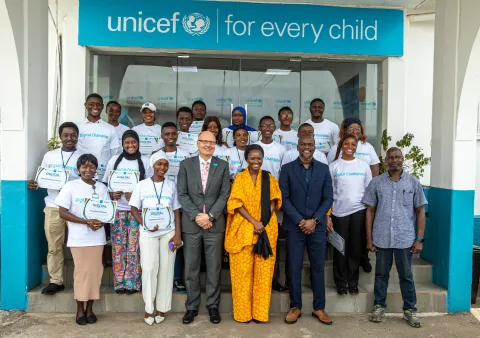
From Disaster to Digital Innovation: Sierra Leone’s Youth Are Building Solutions for the Public Good
How the Digital Public Goods initiative is empowering young innovators to transform local challenges into open-source solutions with global impact.
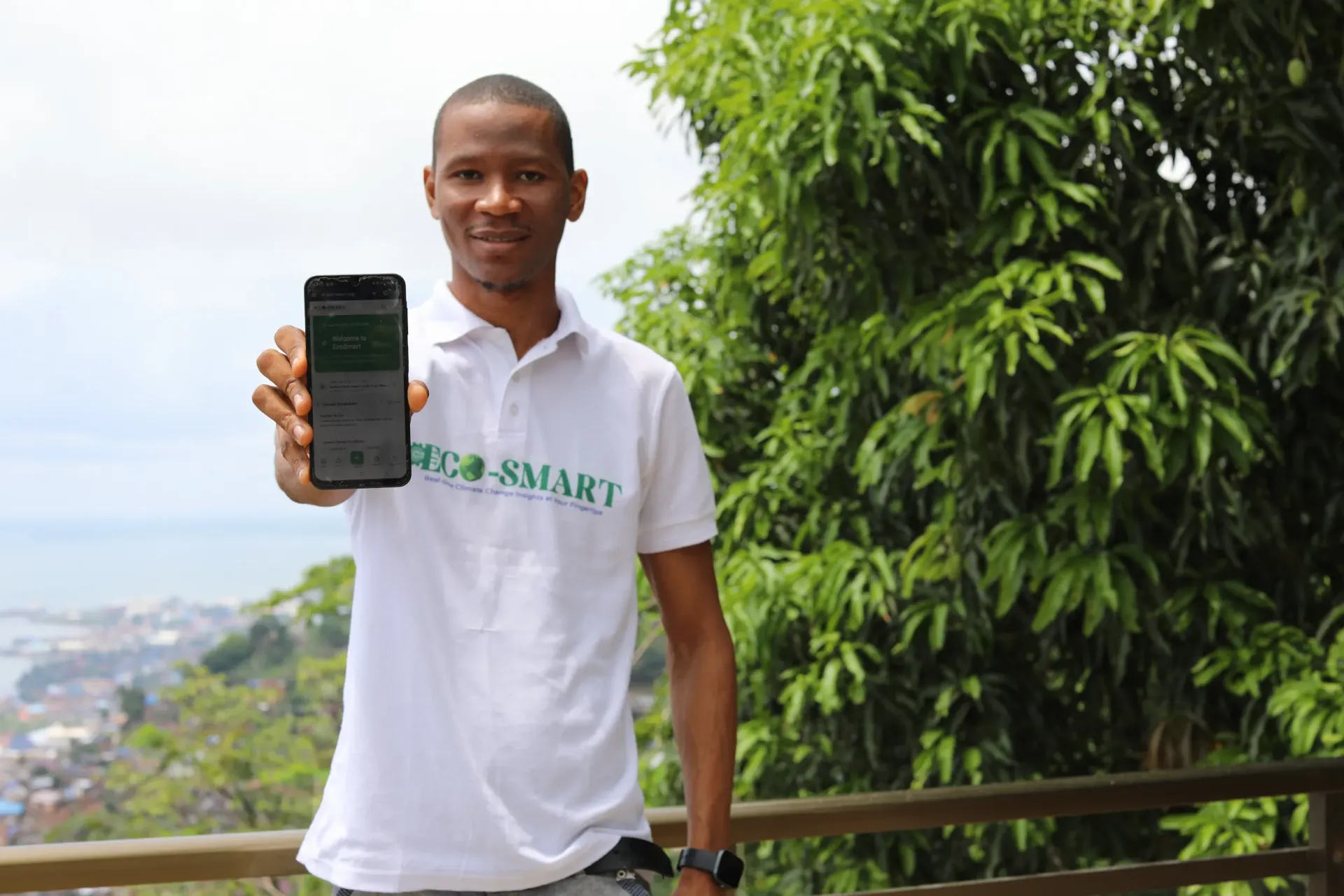
Freetown, Sierra Leone - When Abdulai Barrie thinks back to the mudslide and floods that struck Freetown in 2017, he remembers more than a national tragedy. He remembers a problem that demanded a solution.
The disaster claimed over 1,000 lives, displaced thousands of families, and exposed the vulnerability of communities to climate-related emergencies. Years later, that experience would inspire Abdulai and his team to create Eco-Smart, a digital platform designed to strengthen climate-related disaster preparedness and climate resilience in Sierra Leone.
“Participating in the Accelerator has expanded my perspective on what is possible through innovation,” Abdulai says. “I now see innovation not just as creating new products, but as creating meaningful impact that can improve lives and contribute to long-term development.”
Abdulai is part of a growing number of young Sierra Leoneans whose relationship with technology is changing. Supported by funding from the Government of Norway through NORAD and UNICEF's Office of Innovation, the Digital Public Goods (DPG) initiative is helping young people move beyond consuming technology to creating open, reusable digital solutions that address challenges facing their communities and contribute to global public goods.
For years, many young Sierra Leoneans have faced barriers to participating in the digital economy. Limited access to digital skills, infrastructure, and innovation opportunities meant that many talented young people lacked pathways to transform ideas into practical solutions.
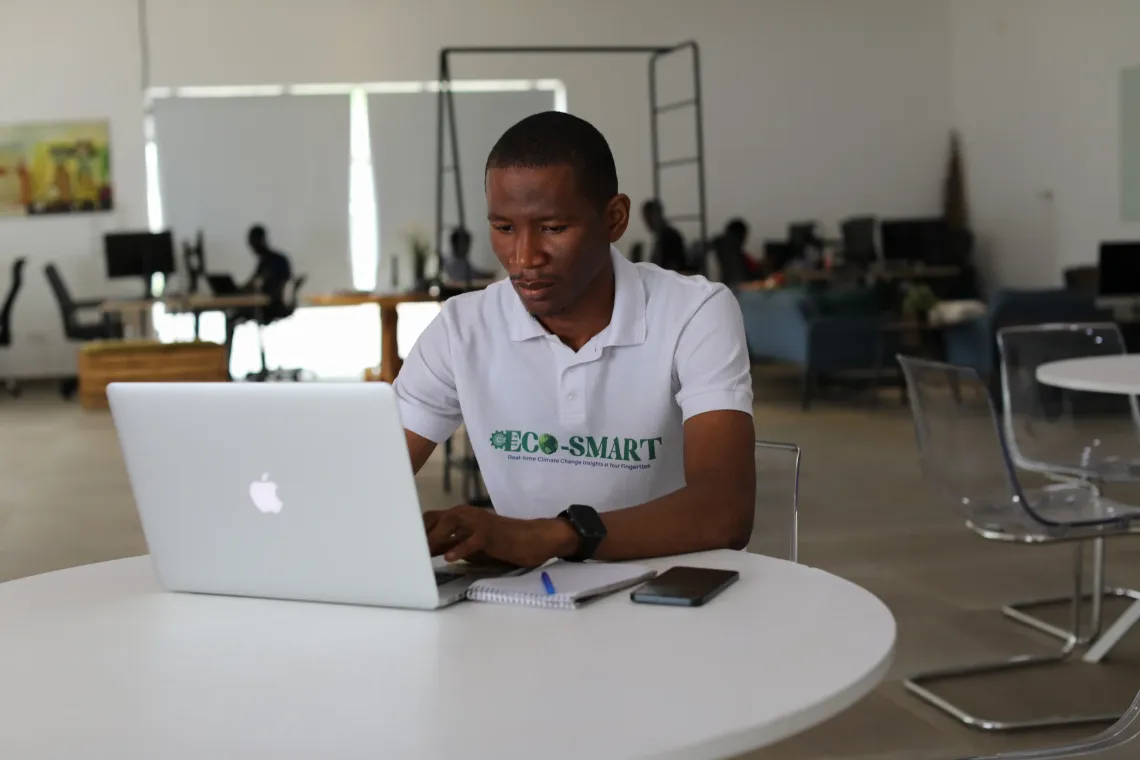
The Digital Public Goods programme set out to change that.
Through partnerships with universities, government institutions, innovation hubs, and technology communities, the initiative is creating an ecosystem where young people learn, collaborate, and build solutions that address real-world needs.
The impact is already visible.
More than 3,400 direct participants have been reached through DPG activities across the country. Student chapters have emerged across universities, online communities are growing, and young innovators are gaining practical experience in open-source technology and collaborative problem-solving.
Among the most promising outcomes is the Digital Public Goods Accelerator Lab, implemented by Christex Foundation through the Ministry of Communication, Technology and Innovation, which supports four youth-led teams comprising 24 young founders and contributors. Their innovations are aligned with national development priorities and are being prepared for submission to the global Digital Public Goods Registry.
For Abdulai and his team, the Accelerator transformed an idea into a practical solution.
Eco-Smart combines real-time climate data, AI-powered risk analysis, and community reporting tools to provide localized alerts on flooding, heavy rainfall, landslide risks, and other environmental hazards. Residents can also report blocked drains, erosion, and emerging threats, strengthening community participation and response coordination.
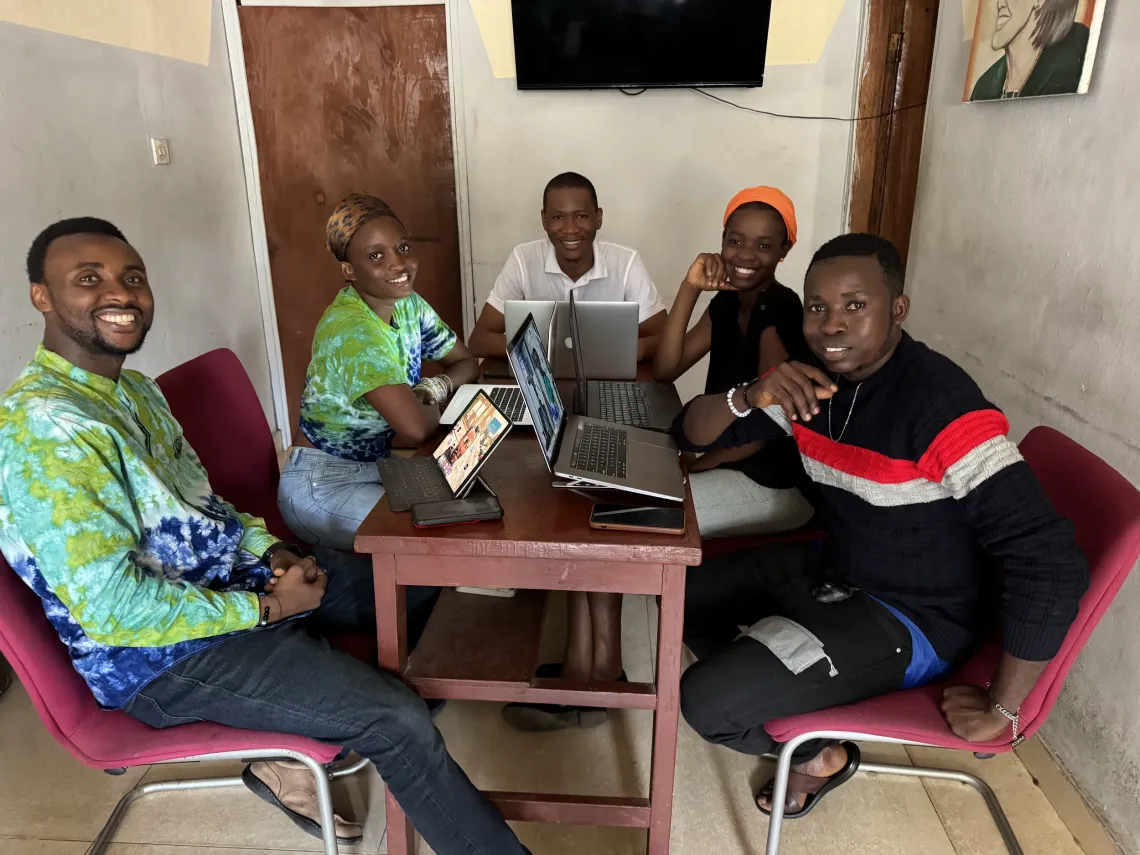
“The Accelerator has played a significant role in helping us refine and transform our solution,” Abdulai explains. “Through mentorship, technical guidance, and collaboration with experts and peers, we gained a deeper understanding of user needs, product design, sustainability, and scalability. As a result, our solution is now more user-centred, technically robust, and better positioned to create meaningful change.”
What excites him most is the possibility that a solution born in Sierra Leone could benefit communities far beyond its borders.
“The possibility of our solution becoming a Digital Public Good is both exciting and inspiring,” he says. “It means that the knowledge, technology, and innovation we are developing could benefit communities far beyond Sierra Leone.”
The same spirit of innovation is taking root in the classroom.
At Limkokwing University of Creative Technology, Digital Public Goods and open-source principles have been integrated into selected modules with the Faculty of Information and Communications Technology through a pioneering curriculum developed in partnership with the Ministry of Communication, Technology and Innovation, UNICEF, and the United Nations University (UNU). More than 1,100 students are currently benefiting from the programme, acquiring practical skills in software development, documentation, interoperability, digital standards, and responsible innovation.
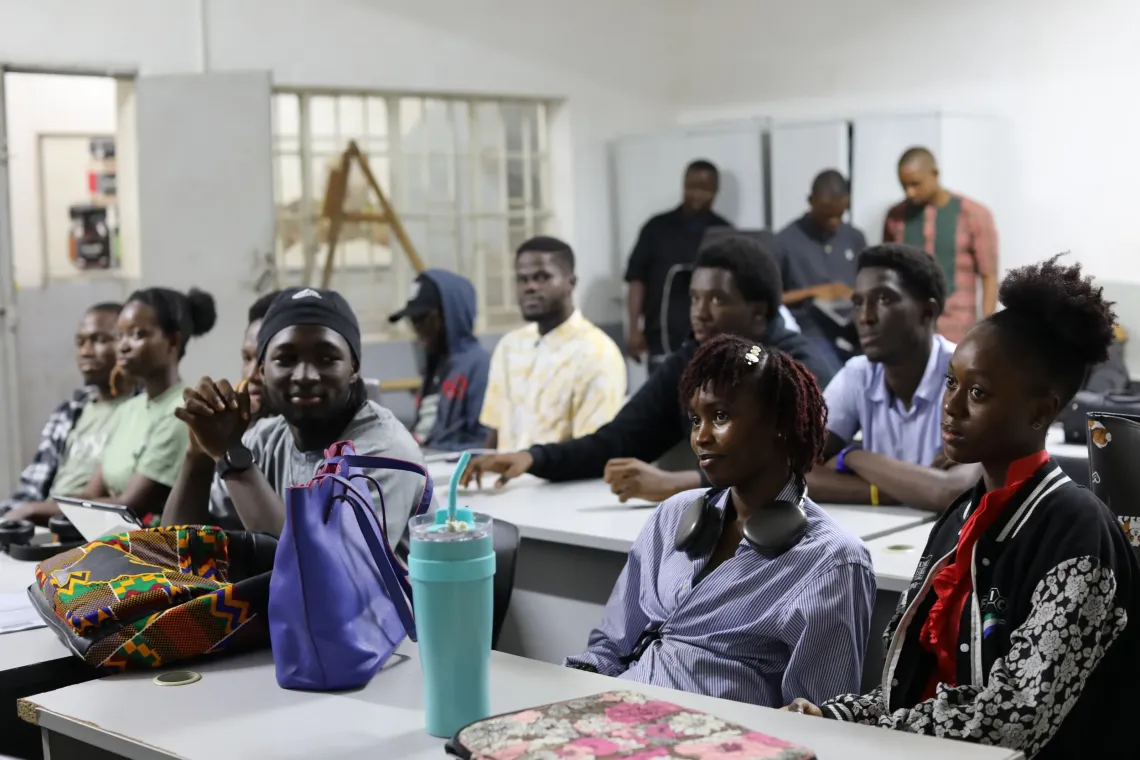
Adeola Elizabeth Ademosu, a third-year Software Engineering and Multimedia student, says the programme has fundamentally changed her outlook.
“Before joining the programme, I mainly saw technology as just using computers, coding, and building simple applications,” she says. “Through the DPG curriculum, my understanding has completely changed. I now see technology as a powerful tool for innovation, impact, and transformation. It is not just about writing code, but about creating solutions that can improve lives, empower communities, and even contribute to national development in Sierra Leone.”
One of the most valuable lessons she has learned is to put people at the centre of innovation. “One of the most impactful experiences for me has been learning how to approach problems using a design thinking and solution-oriented mindset,” she explains. “I now focus more on usability, accessibility, and how real people will interact with what I create.”
She believes digital skills can empower young people to become creators rather than consumers of technology, and to design solutions that respond to real community needs.
The changes are also evident among educators.
According to Mr. Oluwa Tosin, a lecturer trained through the DPG Academic Curriculum programme, students are beginning to see technology differently.
“There is a noticeable shift in collaborative energy,” he says. “Students are no longer working in silos; they are engaging with global repositories and understanding that their code can have an immediate public impact. We’ve seen a transition from ‘how do I pass this exam?’ to ‘how can I solve this community problem?”
He believes that the programme is helping to build digital sovereignty and a pipeline of talent capable of developing affordable, locally relevant digital infrastructure for Sierra Leone.
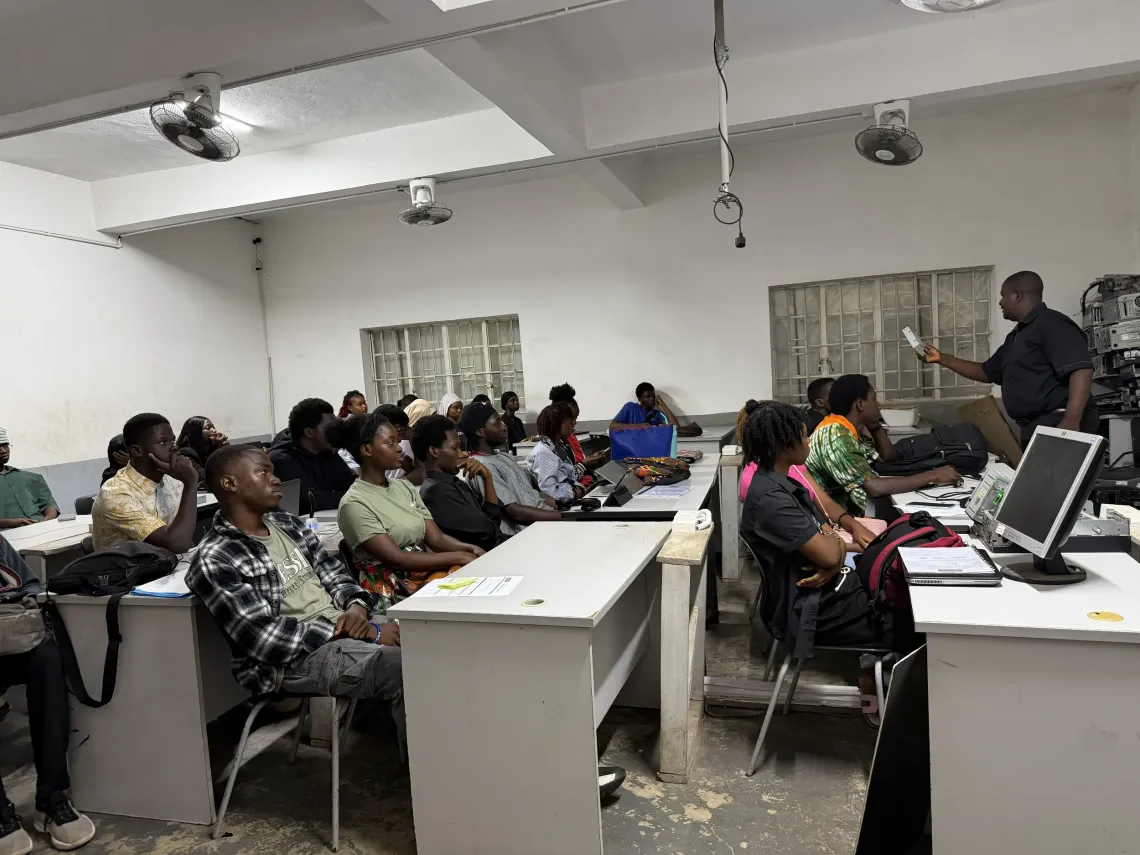
The initiative is also laying foundations that will outlast the project itself. A national Open-Source Policy has been drafted and tabled for Cabinet consideration to promote the adoption of reusable and interoperable digital solutions, while a Digital Public Goods Pipeline Platform has been upgraded to identify, assess, and support promising innovations.
The Digital Public Goods Lead at Sierra Leone’s Ministry of Communication, Technology and Innovation, Hawa Kallon, sees these efforts as central to Sierra Leone’s digital transformation.
“Digital Public Goods are important to Sierra Leone’s digital transformation because they help us build solutions that are open, adaptable, and locally relevant,” she says. “Instead of only depending on imported or closed systems, DPGs give our young people, developers, universities, and institutions the opportunity to contribute to technology that can solve national problems.”
She notes that the initiative supports the Government’s vision for youth empowerment and digital innovation by exposing young people to open-source tools, collaborative development, and real-world development challenges, while the draft Open-Source Policy provides a foundation for more transparent and sustainable technology development.
Alpha Amadu Barrie, UNICEF Innovation Officer, believes that the value of the programme extends far beyond software development. “When young people are given the right skills, tools, and platforms, they move quickly from learning to leading,” says Alpha. “We are already seeing that transformation across Sierra Leone.”
As Sierra Leone advances on its digital journey, perhaps the greatest achievement of the DPG initiative is not the software, policies, or platforms being created. It is the growing confidence among young people that they have the knowledge, skills, and support needed to solve the challenges they see around them.
For Abdulai Barrie and thousands of other young innovators, the future is no longer something to wait for. It is something they are helping to build.