

UNICEF responds to the immediate needs of flood-affected children and families in Senegal
Over the past few weeks, heavy rains and flash floods have affected various localities in Senegal.

- Français
- English
DAKAR (Senegal), 6 September 2022 - Since August this year, heavy rains in Senegal triggered flash floods in various localities, across the country. Some families lost everything, including their homes, income, and crops. The regions of Dakar, Diourbel (Touba), Saint Louis and Matam were among the most affected.
Since the launch of the ORSEC Plan - the main mechanism for coordination and management of disasters and emergencies in Senegal - by the Ministry of the Interior, important measures have been taken by administrative, territorial and local authorities, including with the support from partners like UNICEF.
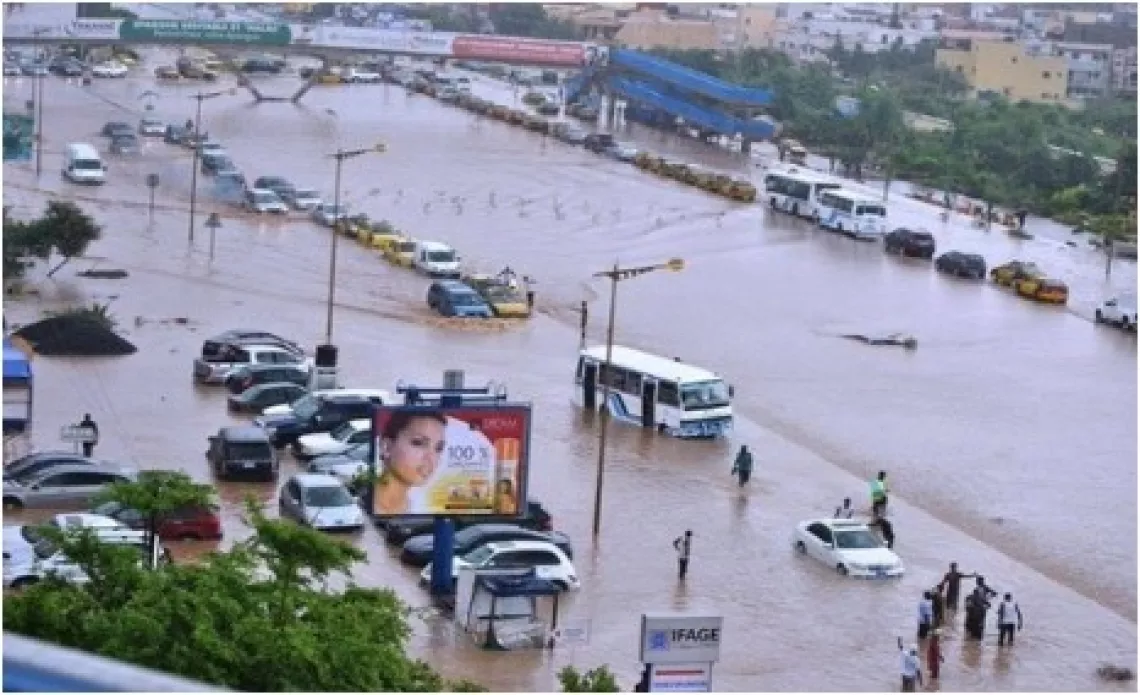
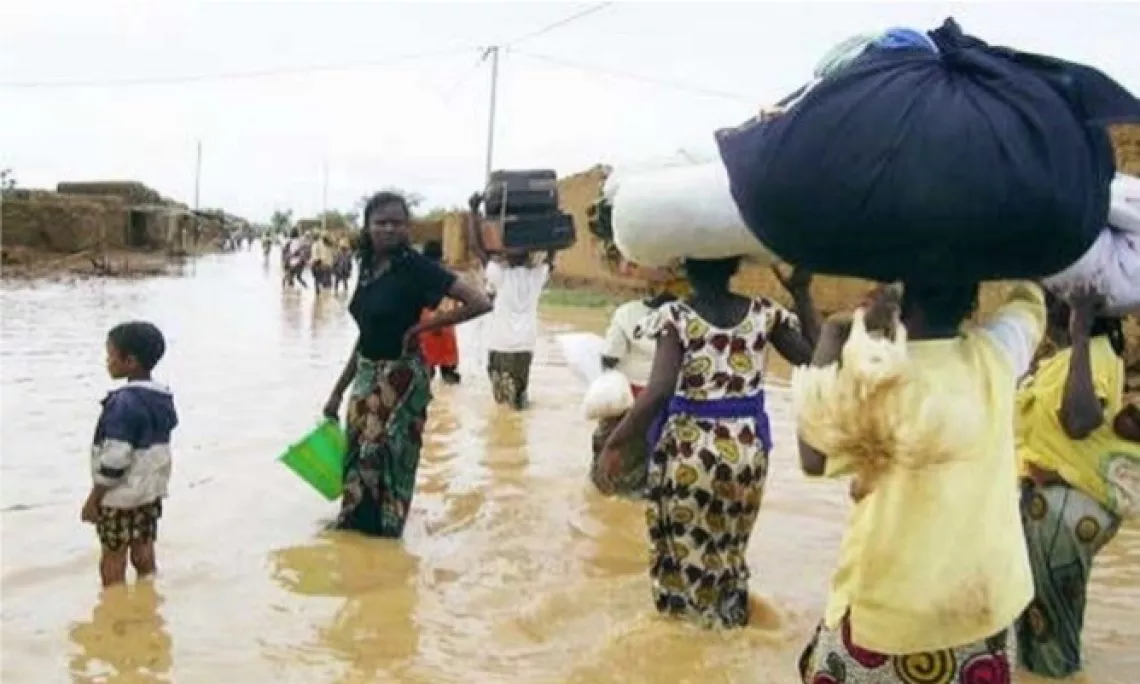
"The stagnation of water, the lack of sanitation facilities and the infestation of mosquitoes, flies and other vectors in flooded areas expose the affected populations to waterborne diseases such as diarrhea, malaria, particularly in a context of poor hygiene and inadequate sanitation" explains Racine KANE, Water, Hygiene and Sanitation Specialist at UNICEF.


To support the Ministry of Health and Social Action, the National Hygiene Service and UNICEF carried out a joint mission in the regions of Diourbel and Saint Louis for a rapid assessment, and provided the first responses in the water, hygiene and sanitation sector.
"Our first response was to ensure that the affected populations have access to drinking water, to essential hygiene and sanitation supplies and are made aware of the risks of waterborne diseases", continues Racine KANE.
UNICEF supported the National Hygiene Service in disinfection of damaged and abandoned houses and temporary shelters for displaced persons, and provided the affected populations with hygiene kits. Awareness-raising operations are also carried out at the community level to prevent the risks of diseases related to water, hygiene and sanitation.

"When disasters hit, children are always among the most vulnerable", says Silvia Danailov, UNICEF Representative in Senegal. " The floods have affected thousands of children and families, and the situation could become even worse with the continuous rains of the past few days. UNICEF is working closely with the Government and other partners to ensure that children affected get the critical support they need as soon as possible."
As the start of the school year is scheduled for October, UNICEF and partners are also closely monitoring the evolution of the situation in the affected localities, many of which are home to many schools. Beyond material damage, schools sometimes also serve as temporary refuge for affected populations. The Government and local communities, with UNICEF support, are working to restore the conditions for a safe return to school.
Senegal is prone to chronic and seasonal vulnerabilities, mostly due to climate change. Flooding is more prevalent in the urban areas of the western and central regions during the rainy season. Coastal erosion is already affecting some parts of the country, threatening the livelihoods of some communities. Drought affects the northern, central and eastern regions of Senegal, causing food and nutritional insecurity, putting young children and women at risk of acute malnutrition.