When Christmas feels different
UNICEF helps children and families in Cebu heal

The Philippines is known for having the longest Christmas celebration in the world. As early as September, festive carols fill the air, and colorful decorations brighten homes and streets. For many Filipinos, the “Ber months” mark the start of a season of joy and togetherness.
But this year, Christmas feels different in parts of Cebu. Streets that would normally sparkle with lights are bare. Many families have no homes to decorate and are staying in makeshift tents without access to toilets. With limited resources, residents choose to focus on repairing damaged houses instead of planning festivities. For most, Christmas celebration this year will be quiet and simple, marked by gratitude for surviving and hope for better days ahead.
On 30 September, Bogo City in northern Cebu was struck by a powerful 6.9-magnitude earthquake — one of the strongest the region has ever experienced. For more than two weeks, children and their families were forced to stay outside their homes, sleeping in makeshift tents or even along roadsides as thousands of aftershocks rattled the province.
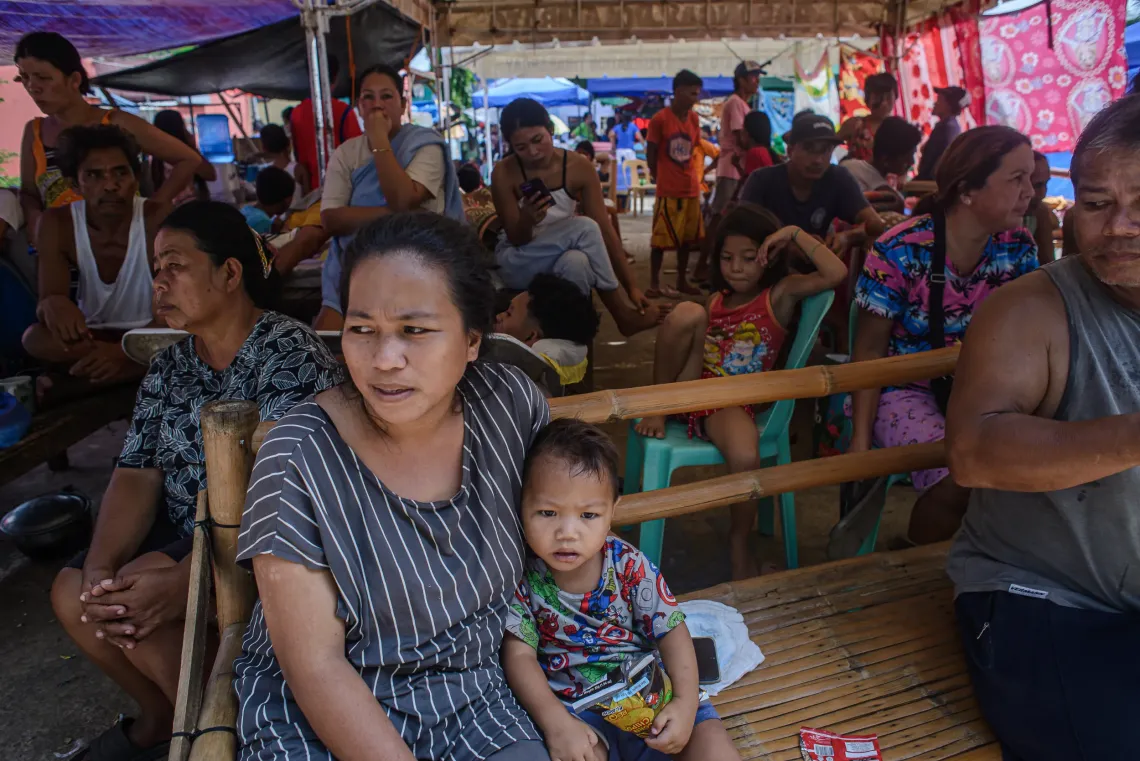
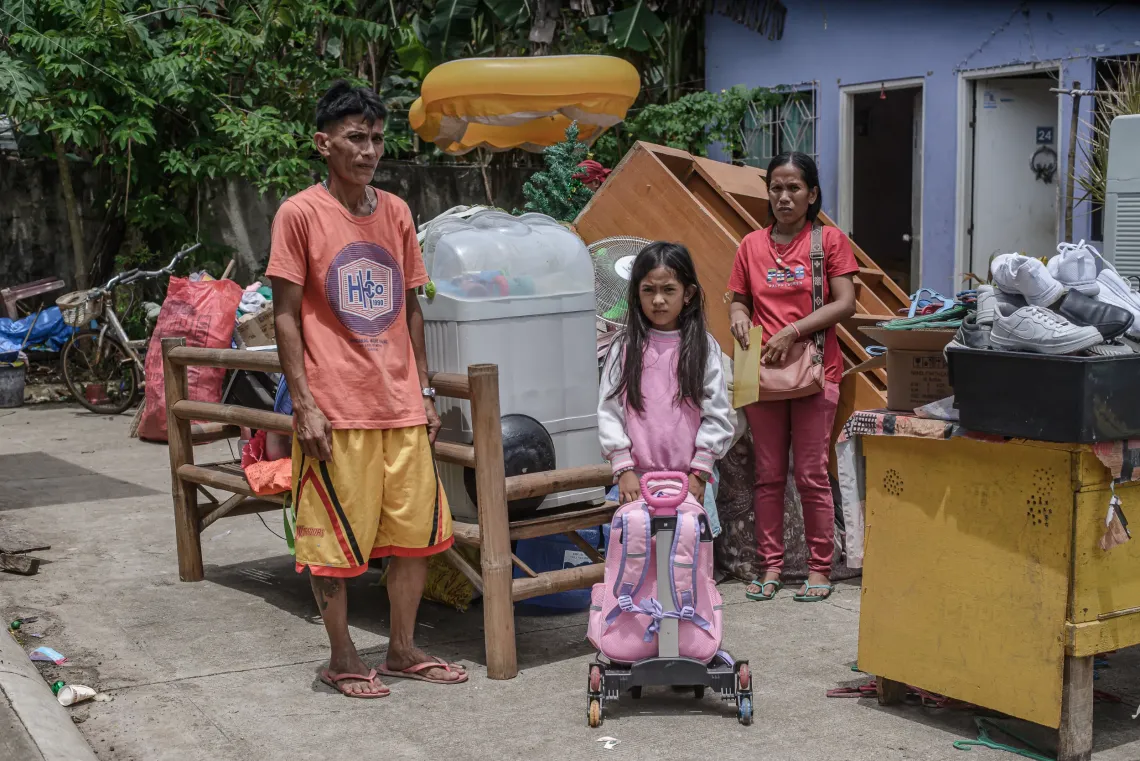
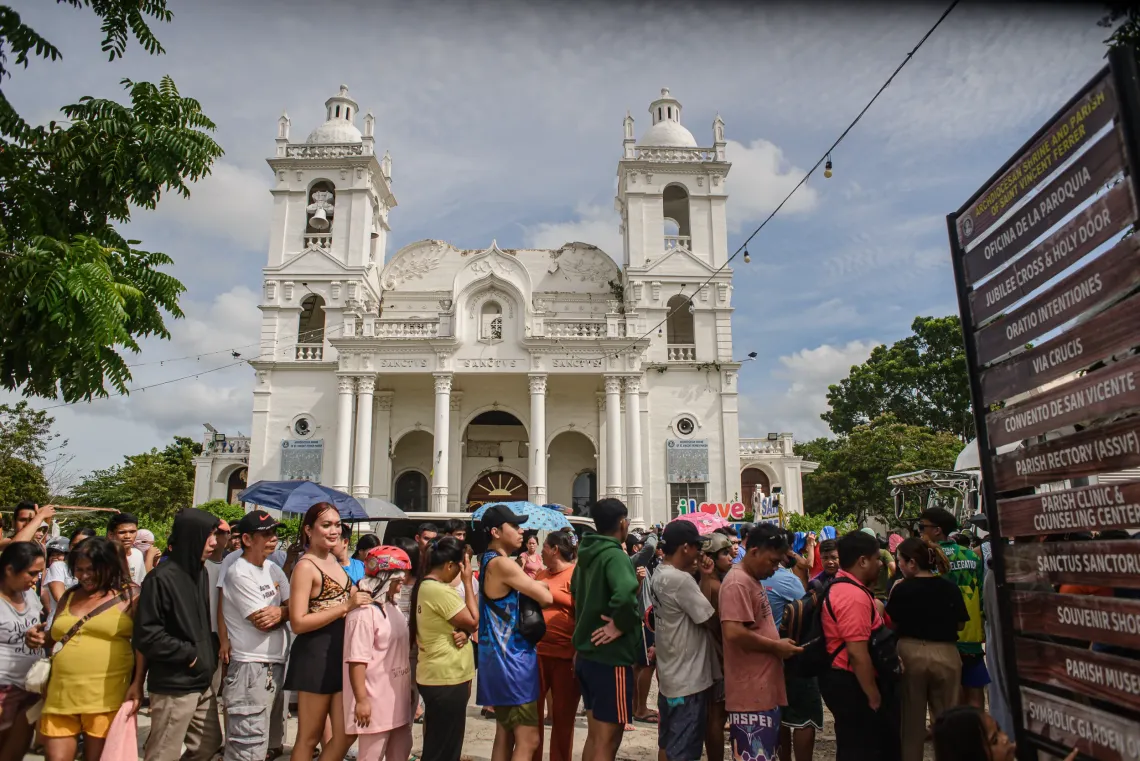
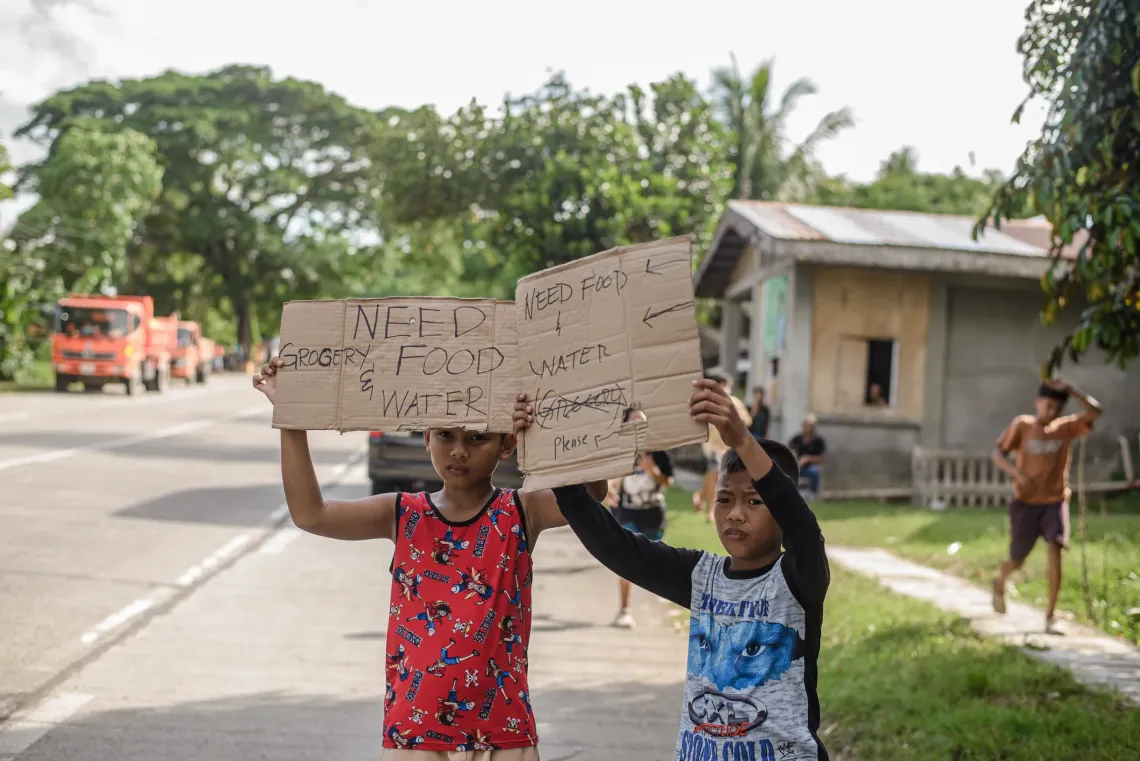
Just as communities were beginning to recover, another disaster struck. On 4 November,, Typhoon Tino (international name Kalmaegi) swept through Cebu with strong winds, leaving families with no choice but to vacate their evacuation tents and seek shelter in their damaged homes.
Recovery from Back-to-Back Shocks
Three months later, Northern Cebu is showing gradual signs of recovery. Residents are focused on repairing their homes and trying to live as normal as possible. Yet, the road to recovery remains long. Many children and their families are still coping with fear and uncertainty after the earthquake and typhoon. Children resort to modular learning, face-to-face classes have been suspended in highly-affected areas since the earthquake due to pending repairs and recurrence of aftershocks.
Jean, a mother of two from Bogo City, shared her concern for her youngest child, Erica, age five.

Erica was a very outgoing child before the earthquake and Typhoon Tino. Now, she freezes and cries during aftershocks or sudden sounds. She prefers to stay close to me to feel safe.


According to Dr. Marielle Malaga, a municipal health officer in Daanbantayan, many residents—especially children—are likely experiencing undiagnosed trauma that could affect their mental health.
Some families still remain in tents or are temporarily living with relatives or friends. Matija, a mother of a one-month-old baby and a nine-year-old daughter, is currently staying with 10 other individuals in their relative’s home. They sleep in a makeshift tent outside the house to make it a bit more comfortable for everyone, especially when the baby cries.


UNICEF’s support for children and families
UNICEF Philippines has been working closely with local health authorities to address urgent needs to help families recover from these back-to-back emergencies. Emergency health kits were distributed to affected communities, containing essential medicines for adults—including treatments for hypertension, depression, and anxiety – which help them cope with stress. The kits also include much-needed vitamins to strengthen children’s immune systems.
Regular medical consultations are being conducted in rural health centres to ensure that families, especially children, receive the care they need as they strive to rebuild their lives
“Parents bring their children to be checked by a doctor and often need medicine for cough and pneumonia, which were common in the aftermath of the earthquake and Typhoon Tino because of prolonged exposure to the cold, " Aileen, the Bogo pharmacist, said. “We also prescribe multivitamins to protect children from any diseases”

The Road Ahead
While communities in Northern Cebu are making progress, the journey to full recovery will take time. Children need safe spaces to learn, play, and heal. Families need continued access to health services and psychosocial support to recover from the deep trauma of these back-to-back emergencies.
Together, we can help children recover and thrive.
Your support can make a difference. Donate now to help provide life-saving supplies and essential services to children and families affected by disasters.