Situation of Children Platform Paves a Comprehensive Child Rights Monitoring in the Philippines
For Every Child, Results
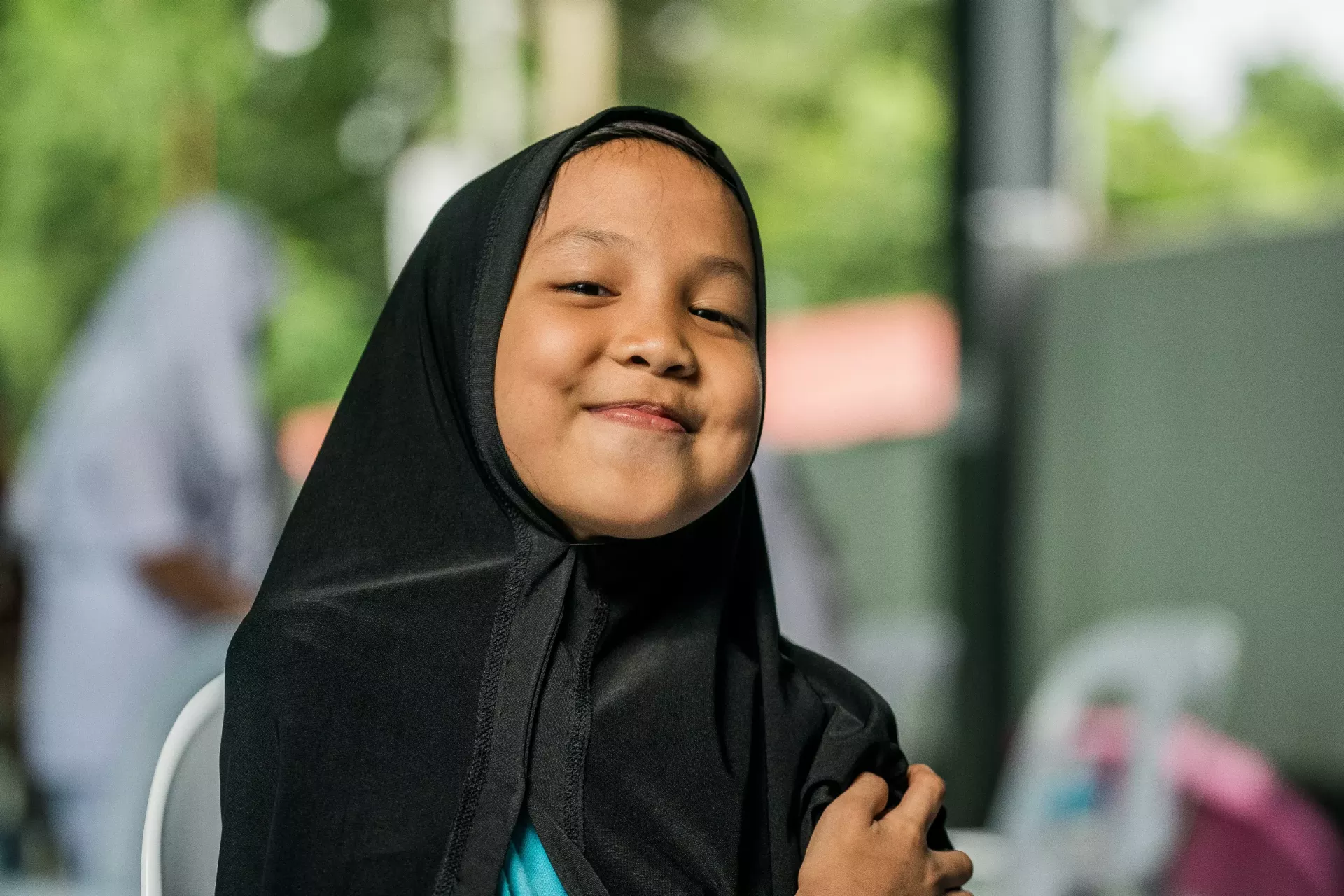
The Situation of Children – Philippines (www.situationofchildren.org/ph), developed by UNICEF in collaboration with the Council for the Welfare of Children (CWC), the National Economic and Development Authority (NEDA), and the Philippine Statistics Authority (PSA), strengthens the availability and use of data and evidence to inform policy making and child rights monitoring in the country. Free and accessible to all, this interactive site set to officially launch in October invites researchers, policymakers, and advocates to dive into the key deprivations faced by children and adolescents.
Decision-Making Driven by Data and Evidence
Smart demand, supply and use of data drives better results for children. Understanding the situation of children is essential to prioritize, design and monitoring policies and actions that effectively support the realization of children rights. This entails timely, quality and fit-for-purpose data, analysis, and research about children, the duty bearers of their rights and the effectiveness of the services delivered.
The Situation of Children platform collects, aggregates, and analyzes official data from 90+ indicators to help facilitate deeper insights and a much broader understanding of the challenges (equity, risk, policy/legislative, and particularly, bottlenecks) and opportunities faced by children and their families. While data gaps still remain as a challenge, the robust data foundation of this platform aims to anchor every policy, program, and intervention on reliable evidence available, leading to more effective and impactful outcomes for children.
Children at its Core
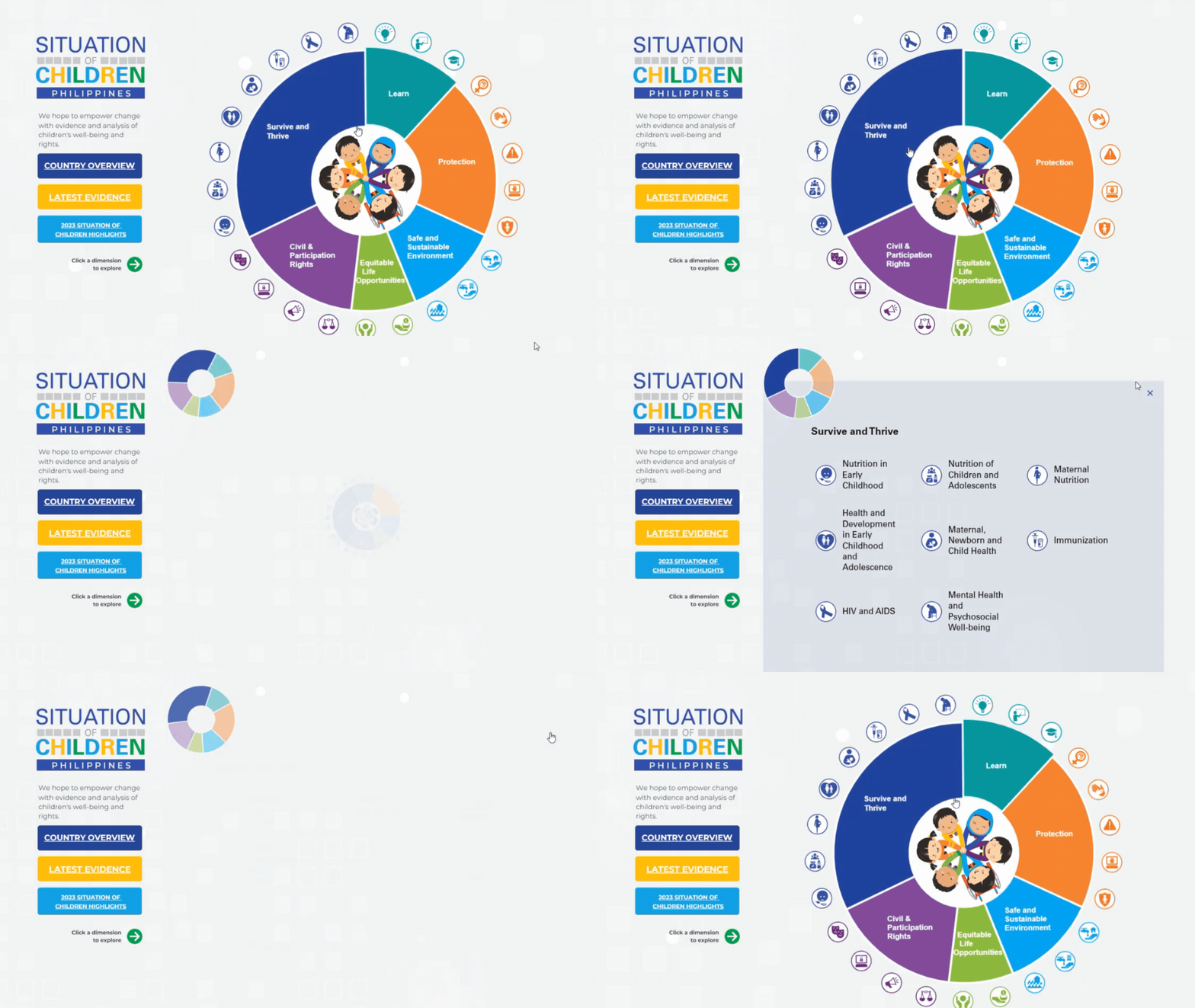
The Situation of Children platform is framed using a child rights approach anchored in the Convention of the Rights of the Child (CRC). It is designed based on the six dimensions of child rights (namely survive and thrive, learn, protection, safe and sustainable environment, equitable life opportunities, and civil and participation rights) and 25 sub-dimensions for which data and evidence is available. For each sub-dimension, the site provides an overall child rights analysis and visualize key indicators (which can be disaggregated by age, wealth quintile, residence, and other factors). Each subdimension also includes equity and risk analysis, when data is available. The legislative and policy analysis highlights the key government frameworks and priorities. The site also includes bottleneck analysis across enabling environment, supply and demand, which identifies key causal factors for child rights deprivation.
Whether you’re a policymaker, researcher, or advocate, you can navigate through different datasets, visualize trends, and check out the latest research or policy on children.
UNICEF and its partners will regularly be updating the site as new data and evidence becomes available. For instance, it plans to soon integrate soon integrate key data and findings of the Longitudinal Cohort Study of Filipino Children, a collaboration between NEDA, the Australian Government, UNFPA and UNICEF, conducted by the University of San Carlos. UNICEF and its partners welcome inputs from partners to further improve the site with new evidence on the situation of children. It hopes the site can become a reference point for children rights in the Philippines.