No child left behind
The work of barangay nutrition scholars

Across the Philippines, barangay nutrition scholars visit homes to weigh children, track their growth, and talk to parents about feeding and care. These regular visits help families understand the importance of the first 1,000 days—a critical window for physical and cognitive development. They explain why even small changes in weight matter, guide mothers on breastfeeding and complementary feeding, and refer children for additional care when needed. In many barangays, they are the first to notice when something is not right—and the first to respond.
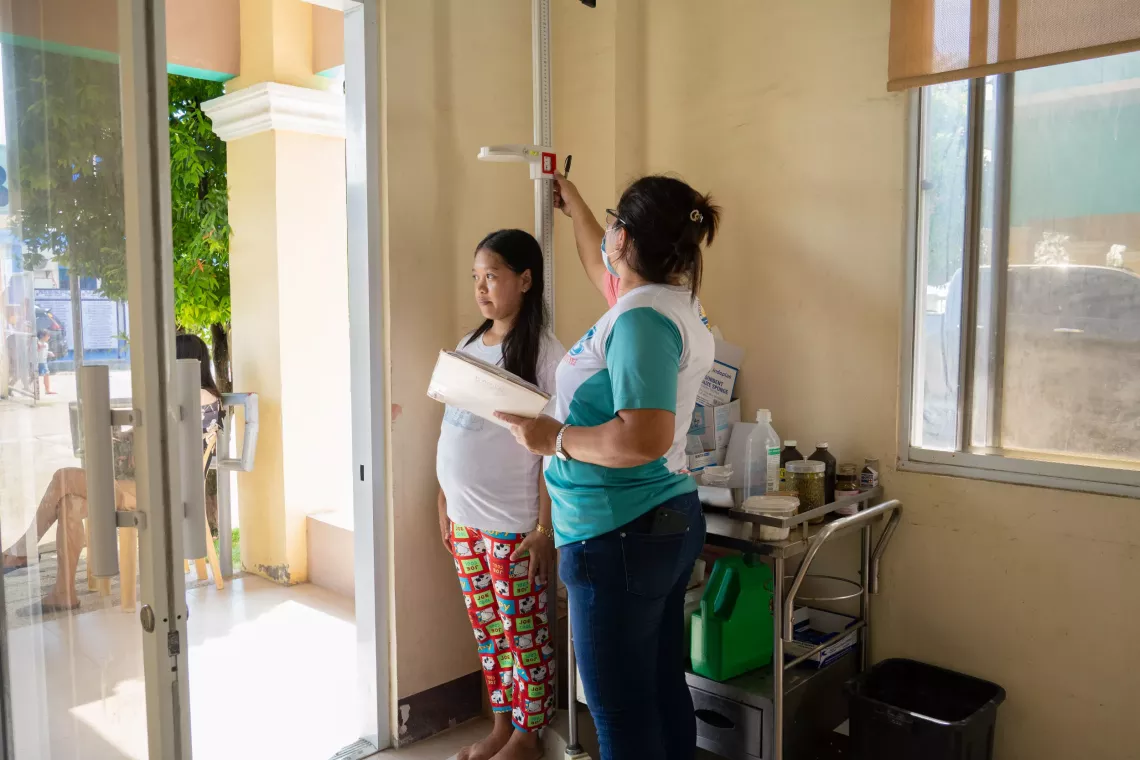
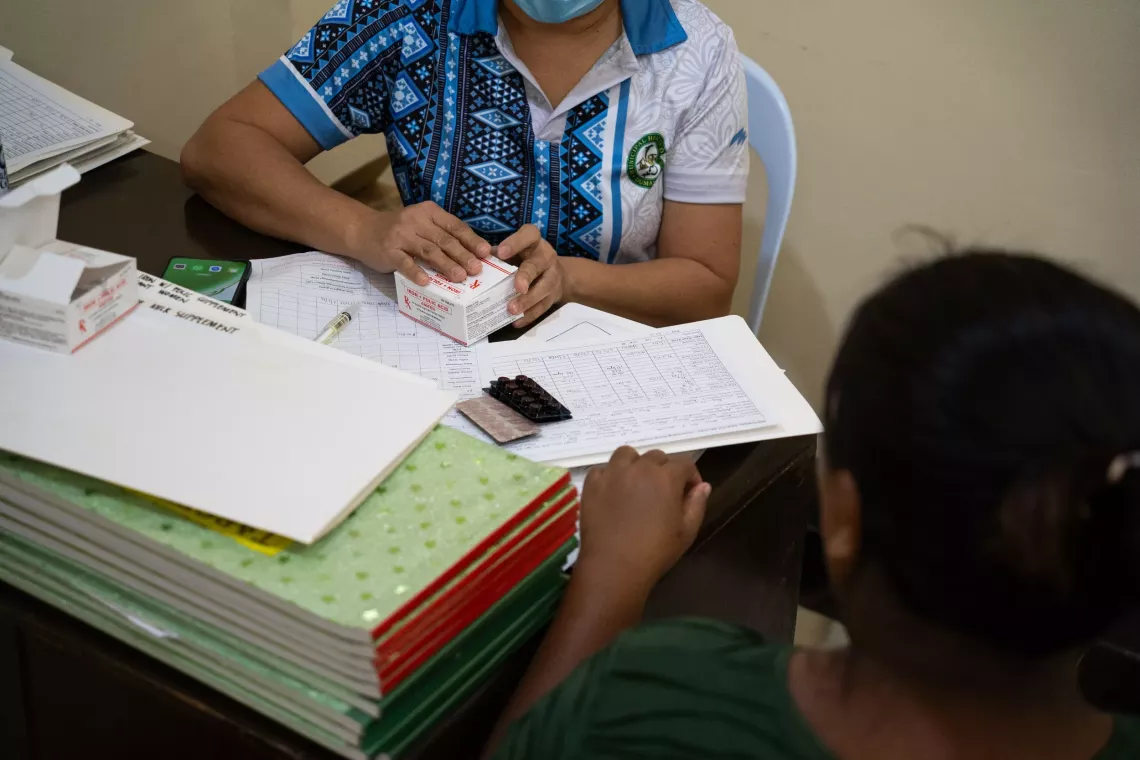
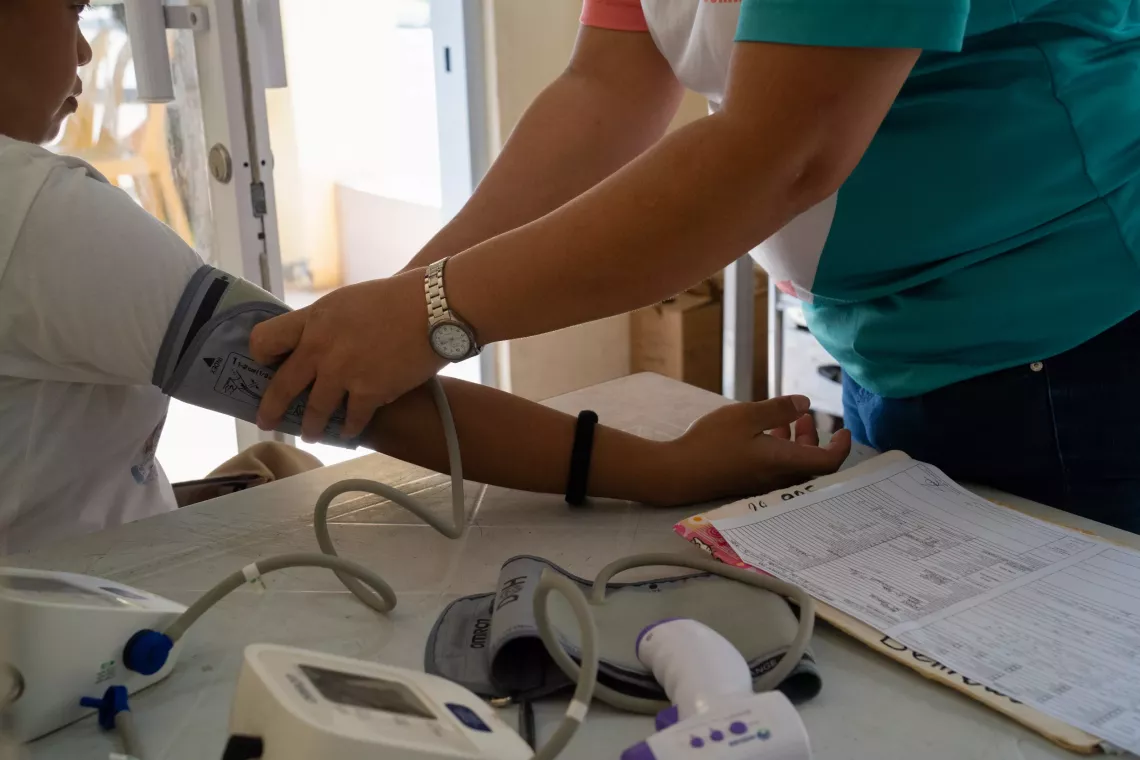
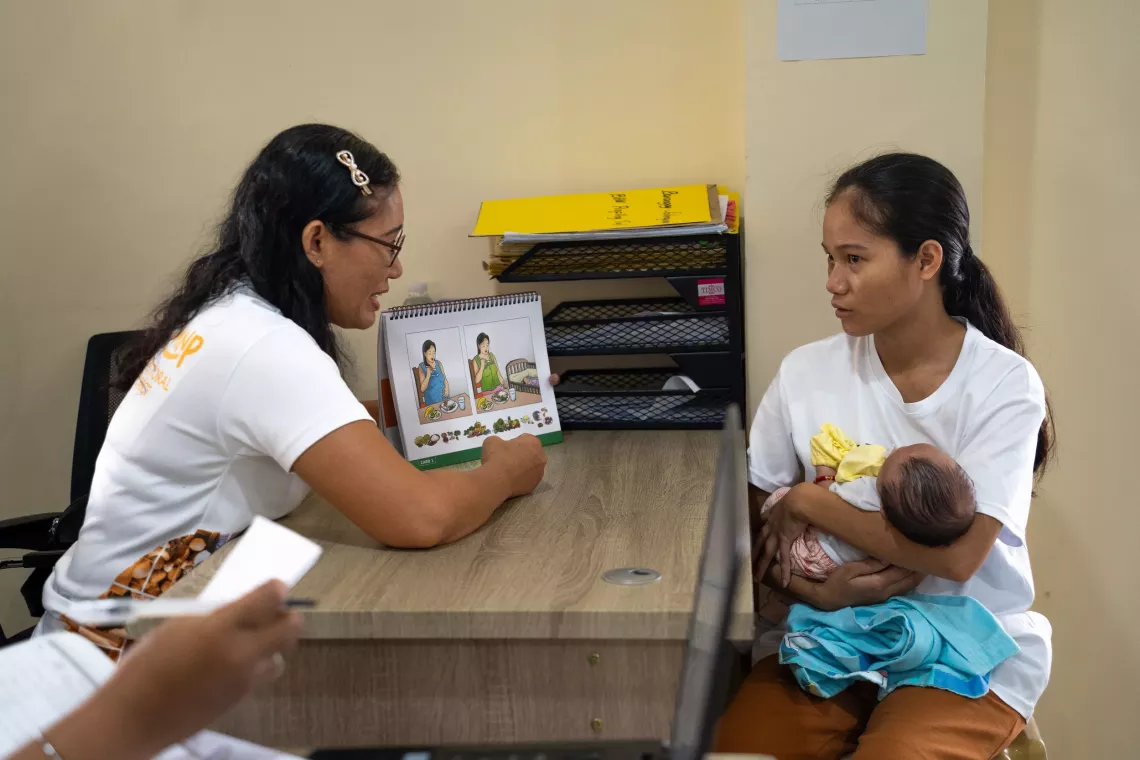
Despite modest incentives, these community workers serve as the frontline of the country’s nutrition response. Their work feeds into local planning systems through data collected through the Operation Timbang, the bi-annual community-based growth monitoring of children under five, and Barangay Nutrition Action Plans, which guide nutrition activities at the village level. These efforts help identify children who need support and allow services to be better targeted. But without the right training and resources, barangay nutrition scholars are limited in what they can do.
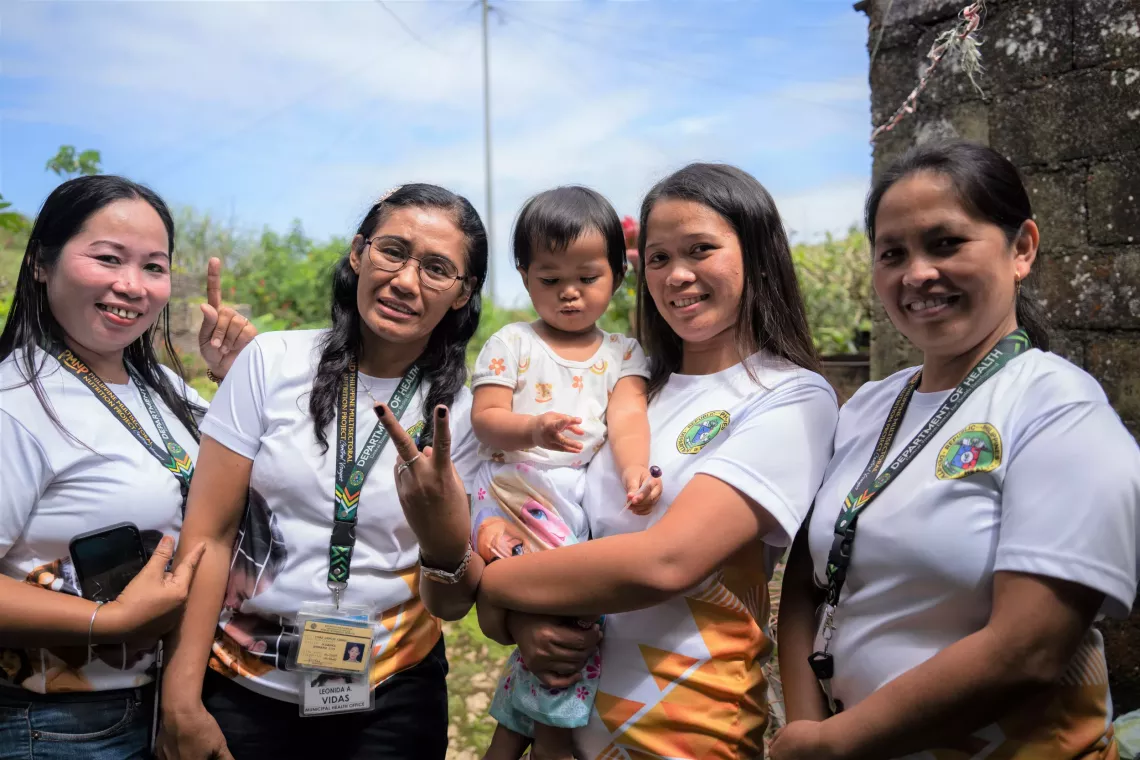
The Philippine Multisectoral Nutrition Project (PMNP) is helping change that. Through PMNP, barangay nutrition scholars receive updated training on growth monitoring, early detection of malnutrition, and responsive counseling. Local government units receive performance-based grants that can be used to support operational expenses, provide better tools, and support regular outreach—especially in geographically isolated or disadvantaged areas. PMNP also helps improve supervision systems, ensuring that scholars are guided and supported in their work.
For many families, the nutrition scholar is a familiar and trusted figure—someone who helps them understand their child’s growth and feel more confident in the care they provide. When frontline workers are trained, supported, and recognized, they do more than collect data. They become a bridge between families and the services that help children survive and thrive. Strengthening their role strengthens the entire system of care—for every child, starting from the very beginning.
About PMNP
UNICEF, through the Philippine Multisectoral Nutrition Project (PMNP), is dedicated to ensuring all children receive nutritious diets, essential nutrition services, and nurturing care during their First 1,000 Days and beyond. With USD $178 million from the World Bank, the project works with local governments in 275 municipalities across Luzon, Visayas, Mindanao, and the Bangsamoro Autonomous Region in Muslim Mindanao. The Department of Health and the Department of Social Welfare and Development are leading this project to provide a coordinated package of nutrition services and promote healthy practices at the household level to improve nutrition for every child.