It takes all of us to build better nutrition habits for children
How UNICEF is working with the Department of Health, the Department of Social Welfare and Development and the World Bank to promote healthier nutrition practices in communities.
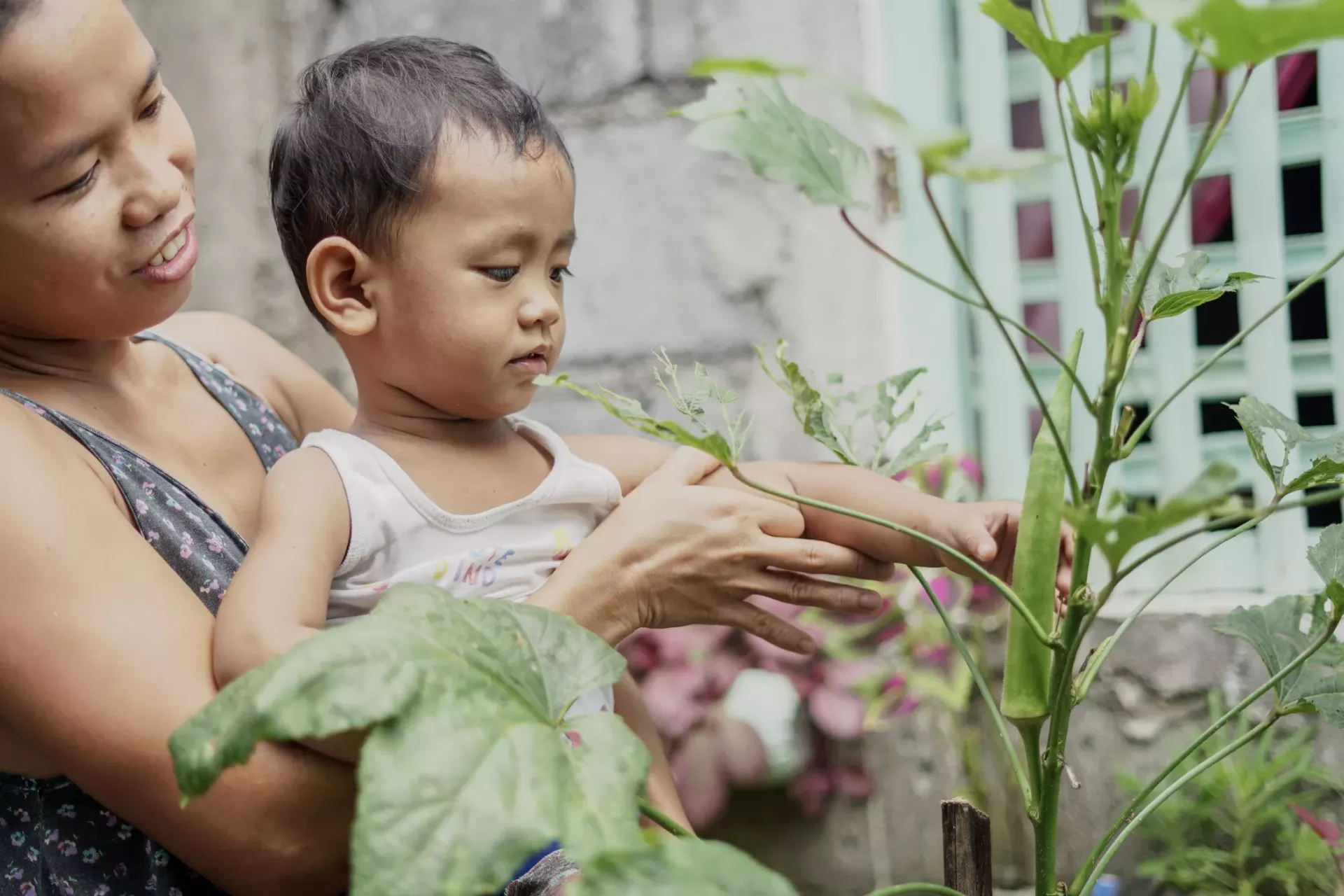
Child nutrition is a shared responsibility. It is fundamental to a child's physical, mental, and emotional development. In the first 1,000 days, when growth is most rapid, children require the right nutrition to support the development of their brain, bones, muscles, and immune system. If this crucial period is not met with proper nourishment, the consequences can be far-reaching. In the Philippines, one in three children faces the triple burden of malnutrition—undernutrition (stunting and wasting), micronutrient deficiencies, and overnutrition (overweight and obesity). Stunting affects about 19.3 per cent of children under five, while 5.4 per cent suffer from wasting—which can both affect a child’s ability to survive and thrive.
If left unaddressed, stunting and wasting can have lifelong consequences that trap families in cycles of poverty and slow the country’s economic progress. It takes more than a village—families, health workers, local leaders, and partners in agriculture, health, education, social protection, and sanitation—to ensure that every child receives holistic nurturing care, which includes safe, nutritious, and affordable food options along with essential services. To address this challenge, the government initiated the Philippine Multisectoral Nutrition Project (PMNP), which unites various sectors of society in the fight against malnutrition. Led by the Department of Health (DOH) and the Department of Social Welfare and Development (DSWD), and with $178 million from the World Bank and technical support from UNICEF, the project delivers a comprehensive package of tailored nutrition services that promote healthier practices in 235 municipalities.
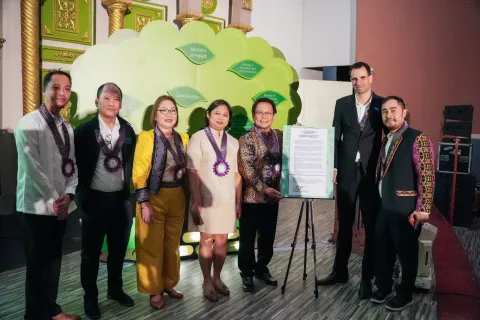
As part of its work to empower communities in improving nutrition during the first 1,000 days of life, UNICEF has led a series of workshops that unite community members, including health workers, local leaders, families, caregivers, community leaders, and experts to tackle local challenges in proper care during pregnancy, breastfeeding, introducing complementary foods (solid or semi-solid foods that are introduced alongside breast milk after six months), community food production, and water, sanitation, and hygiene.
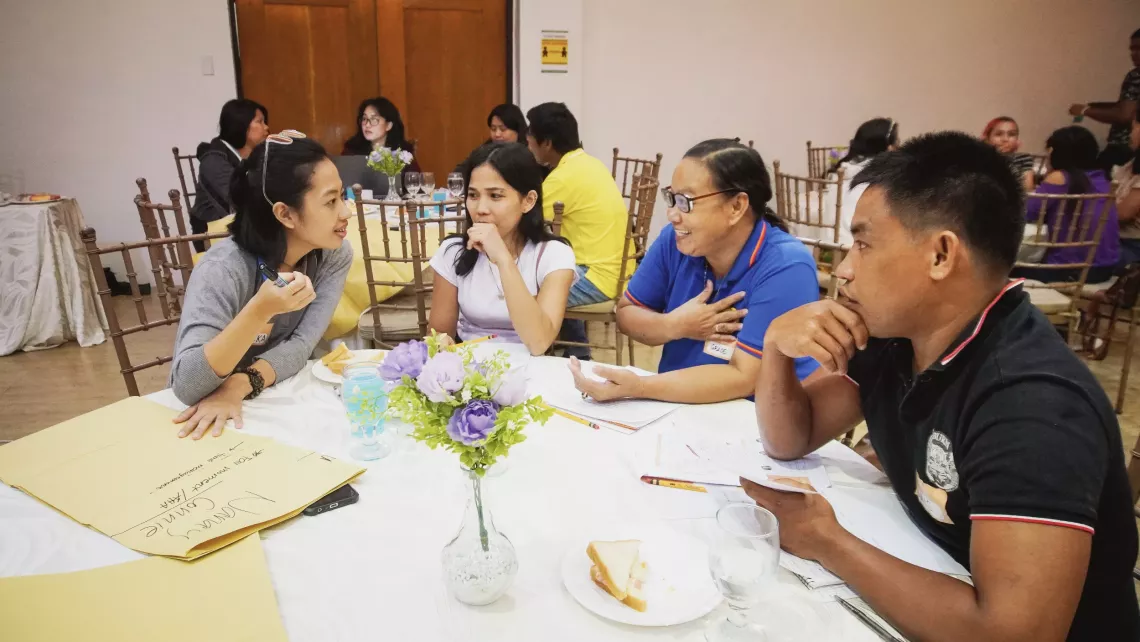
“UNICEF works to strengthen systems that support better nutrition through the PMNP, but we also believe in working closely with communities to co-create solutions that make a difference for their children,” said Alice Nkoroi, UNICEF Philippines Nutrition Manager. “When families and local leaders are involved in the process, the solutions become more meaningful and sustainable.”
This initiative also supports the country's efforts to reduce inequality by ensuring that every child has access to nutritious food. It also aligns with broader goals of promoting social equity and sustainable practices that benefit both children and their families. When communities take charge of improving children’s nutrition—by promoting healthy feeding practices, providing a variety of nutritious foods, and offering nurturing care that addresses their physical, emotional, and social needs—they create a supportive environment where every child can reach their full potential.
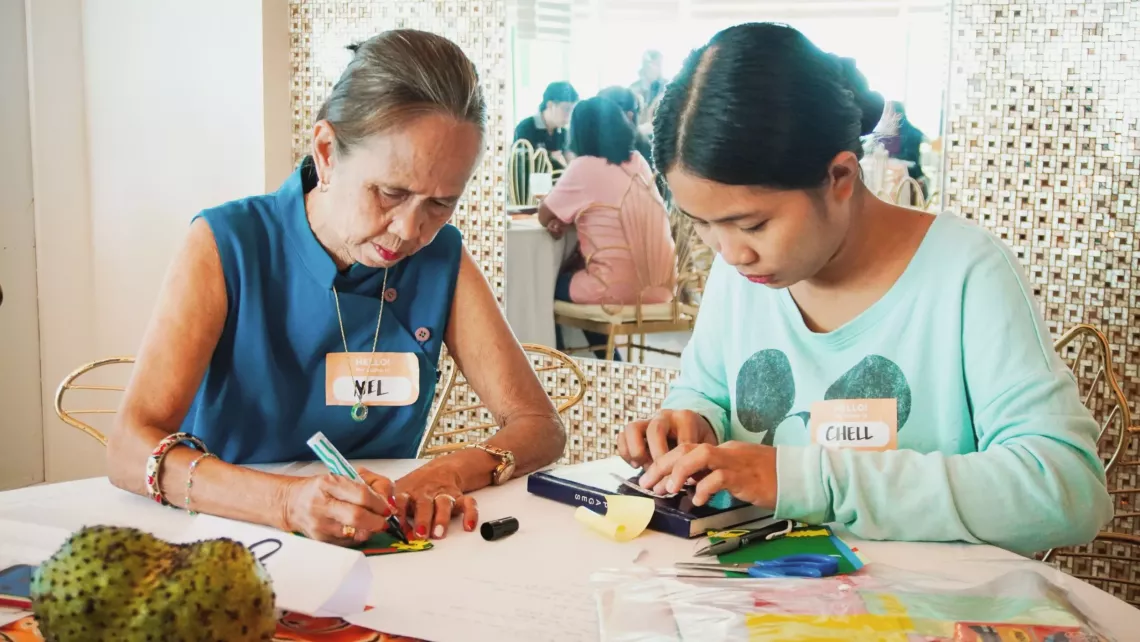
Everyone has a role to play in ensuring that every child has access to the nutrition they need to thrive. Only by working together to share our collective experience, expertise, and resources can we create targeted, effective, and sustainable solutions that improve the health of our children for years to come.
For every child, nutrition without barriers.
UNICEF, through the Philippine Multisectoral Nutrition Project (PMNP), is dedicated to ensuring all children receive nutritious diets, essential nutrition services, and nurturing care during their First 1,000 Days and beyond. With $178 million from the World Bank, the project works with local governments in 275 municipalities across Luzon, Visayas, Mindanao, and the Bangsamoro Autonomous Region in Muslim Mindanao. The Department of Health and the Department of Social Welfare and Development are leading this project to provide a coordinated package of nutrition services and promote healthy practices at the household level to improve nutrition for every child.