Is that food really good for your child?
7 signs of misleading food marketing parents need to know

Parents want reliable information when making nutrition choices for their children. But many articles, posts, and even school events that appear informative are actually designed to sell a product that may do more harm than good. Food companies use health claims, influencers, giveaways, and research to promote formula milk, fortified ultra-processed food and snacks, and sugary drinks—often making them seem essential, even when more nutritious options exist.
Many of these strategies blur the line between information and advertising. Some even violate laws meant to protect families—like the Philippine Milk Code, which prohibits formula milk companies from advertising their products in ways that undermine breastfeeding. Sugary drinks, meanwhile, are covered by the Sugar-Sweetened Beverage Tax under the TRAIN Law, which adds a tax to sweetened beverages to reduce their appeal and help prevent health issues like obesity.
Still, many brands continue to market these products as essential for growth, energy, or hydration—especially to children. The number of overweight children has tripled since 2003 is now classified as “high” according to World Health Organization standards.That’s about 3 in 100 preschoolers and 13 in 100 school-age children. Watch out for these misleading marketing strategies and find out how to make healthier choices:
1. Creating worry, then offering a product as the solution
How it works
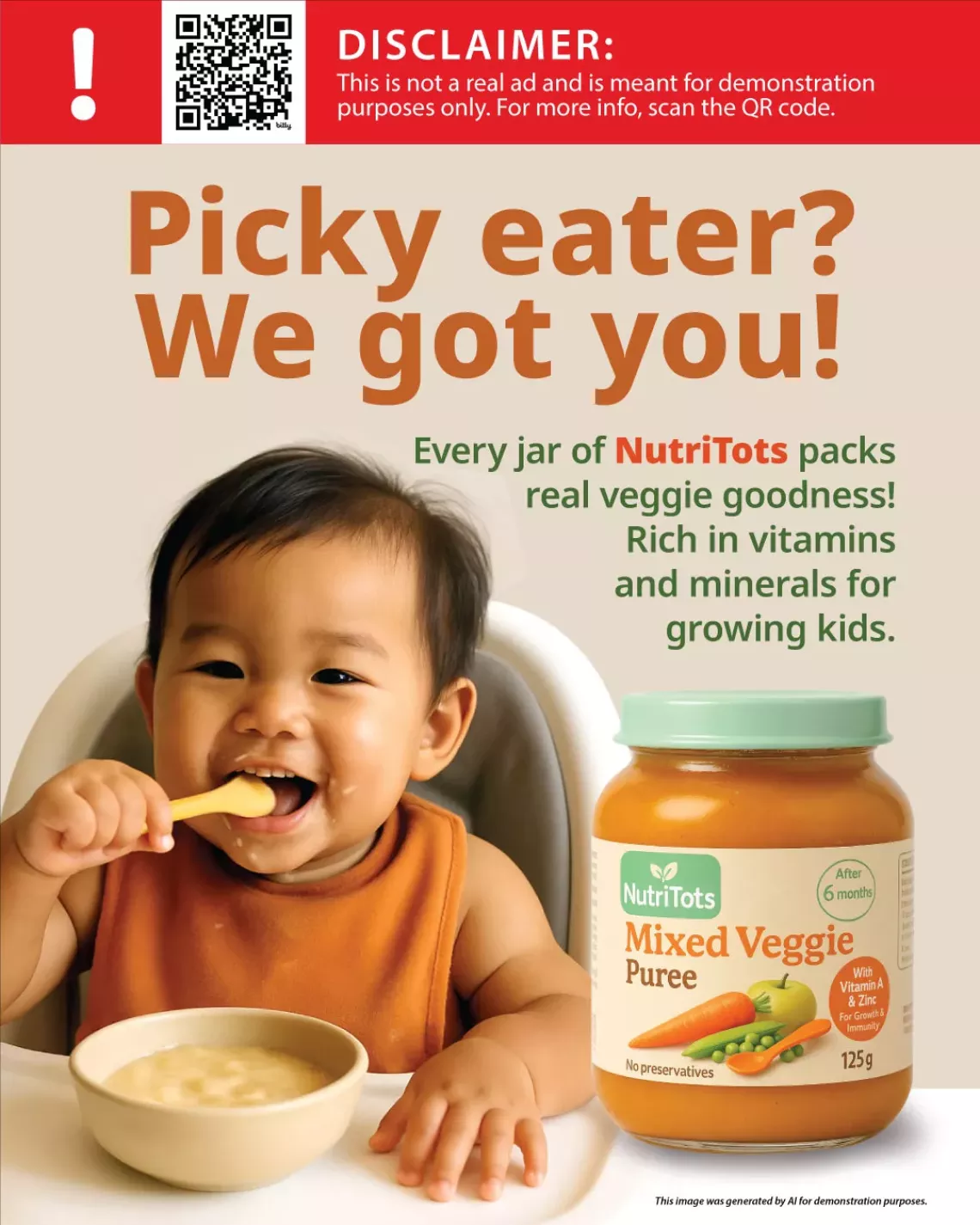
Some ads highlight common concerns like picky eating or poor appetite to grab a parent’s attention. Instead of explaining what children really need to eat well—like a variety of fresh foods or guidance on feeding habits—they present a packaged product as the quick solution.
What to look for
Check if the ad gives real tips on how to feed your child well—like offering food from different groups (vegetables, fruits, grains, protein, and healthy fats), making sure they eat regular meals, and giving them safe drinking water. If the ad skips these basics and only talks about the product, it’s likely trying to sell you something—not guide you on what your child needs.
2. Claiming expert approval without a clear background
How it works
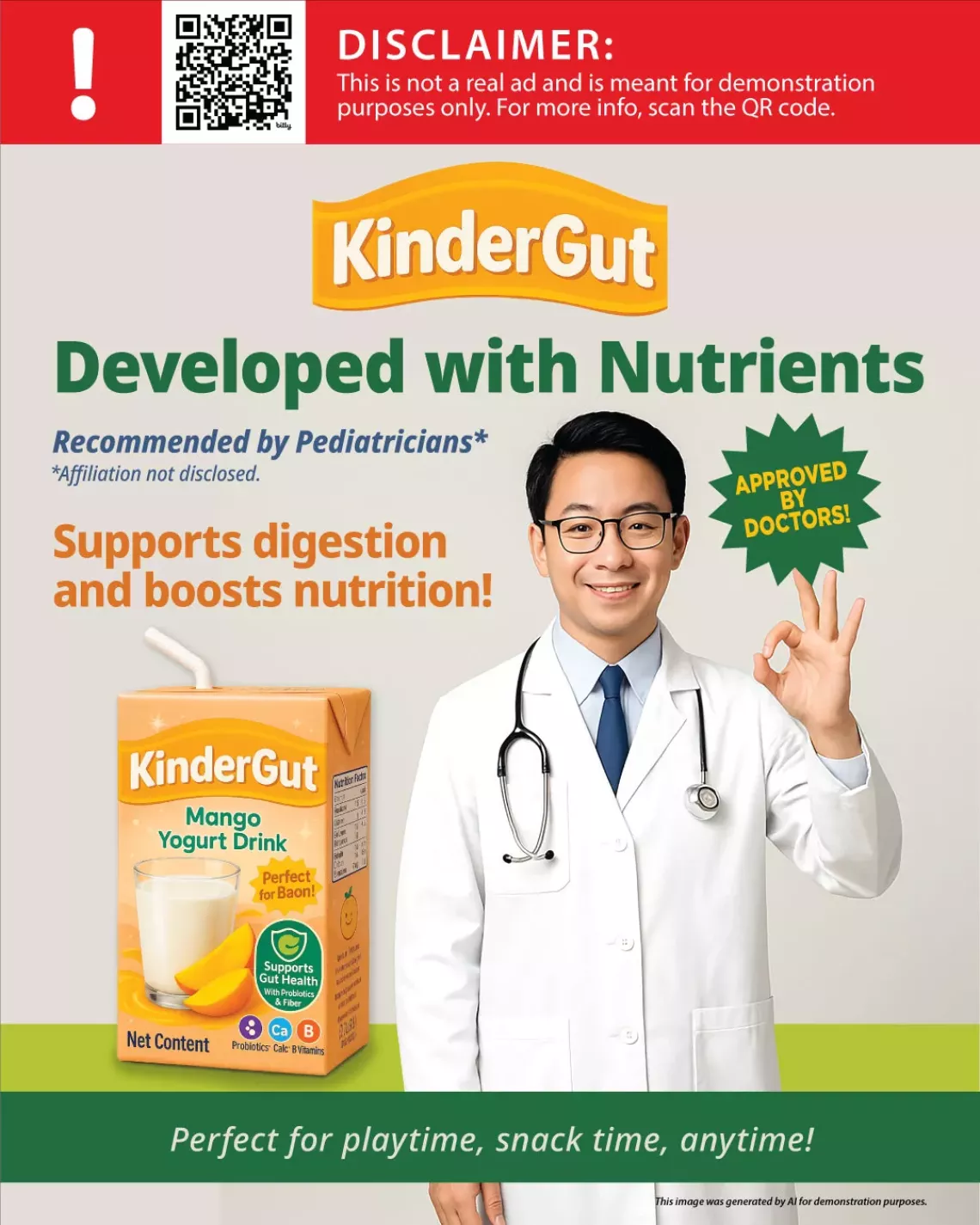
Some ads or articles may say the product is recommended by doctors or experts, but they often do not say who these experts are or whether they are connected to the company. Without names, affiliations, or credentials, it’s unclear if the endorsement is based on independent advice or just part of the ad.
What to look for
Check if the ad names the expert and shares their background—like what field they’re in or whether they work with the brand. If there’s no clear information, do not rely on the ad alone. Look for public guidance instead: check the product’s nutrition label, ask your local health worker, or look up general recommendations from organizations like the Department of Health (DOH) or World Health Organization (WHO) about what children should be drinking or eating.
3. Selectively using research to promote product benefits
How it works
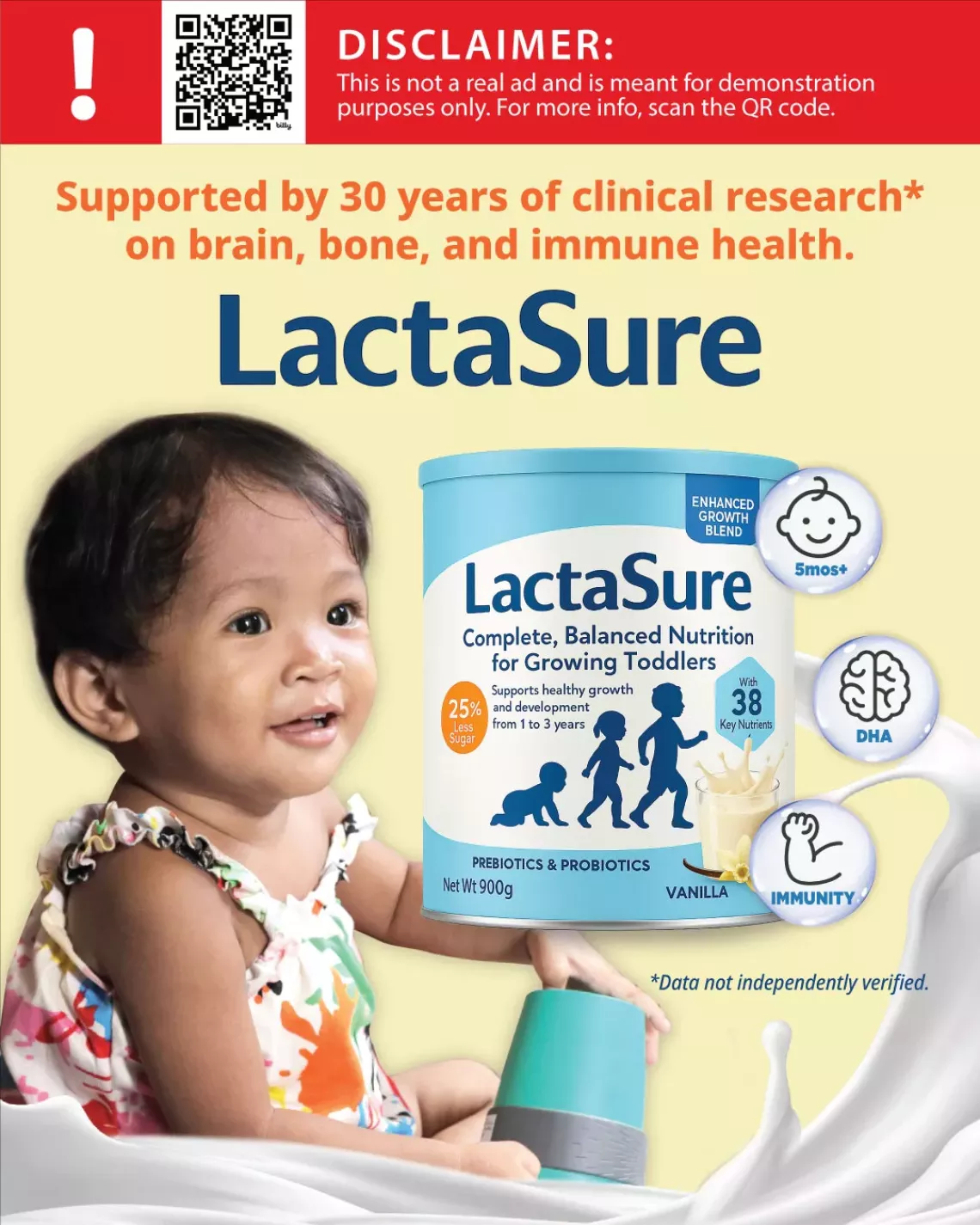
Some ads refer to research or long-term studies to make a product seem more credible. But the details—like who conducted the study, who funded it, and how the results were interpreted—are not always made clear. In some cases, only the findings that support the product are highlighted, while leaving out less favorable results. Sometimes, the research may even be funded or commissioned by the company itself, which can affect how the results are presented.
What to look for
Check if the ad clearly says where the study was published, who funded it, and what the full results were. Be cautious if it only claims things like “scientifically proven” or “backed by decades of research” without offering any source. If there’s no link to real studies, treat the ad or article as marketing material. When in doubt, follow recommendations from trusted public health agencies like the DOH or WHO—not just what the label or ad says.
4. Loosely associating product with credible organizations or programs
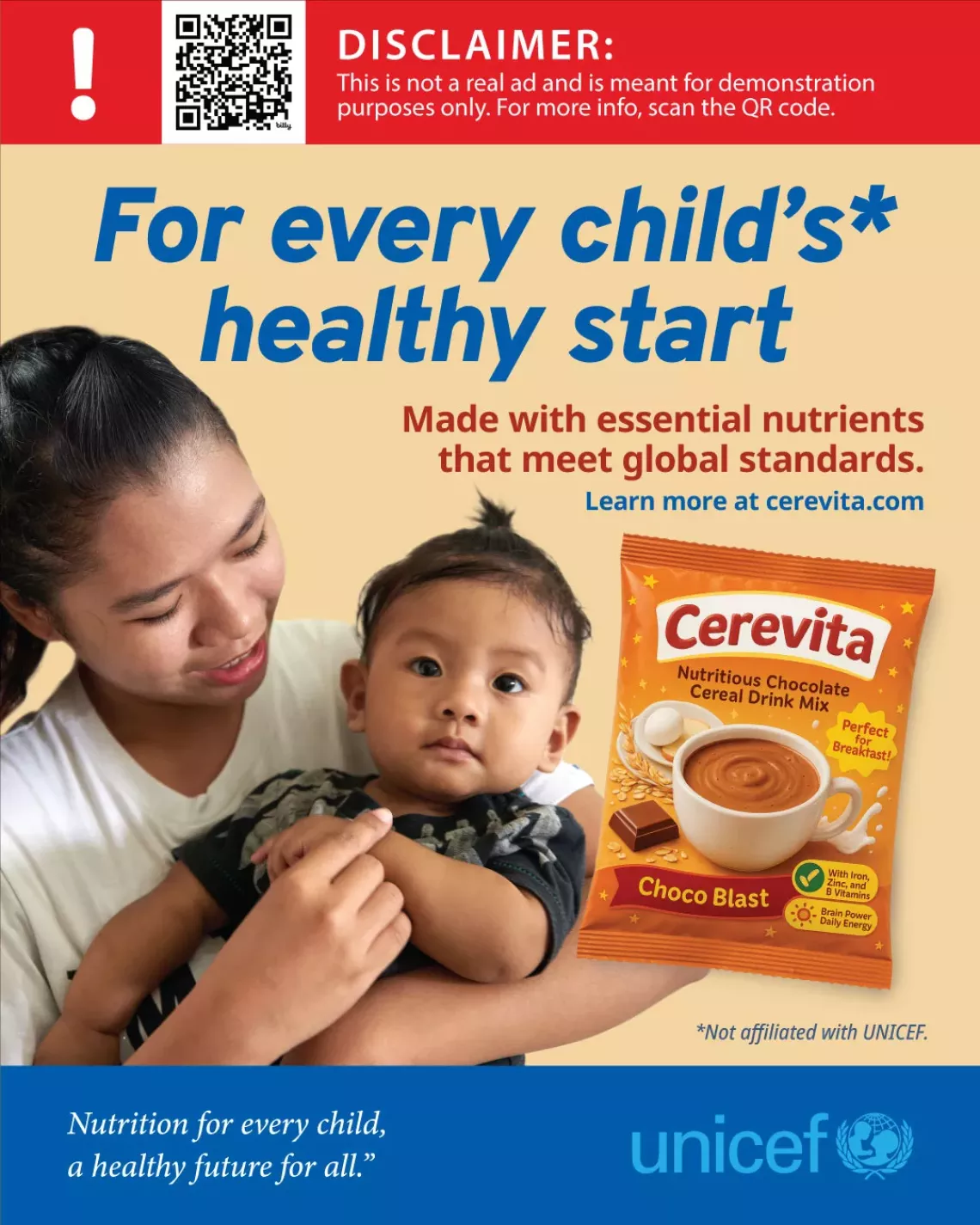
How it works
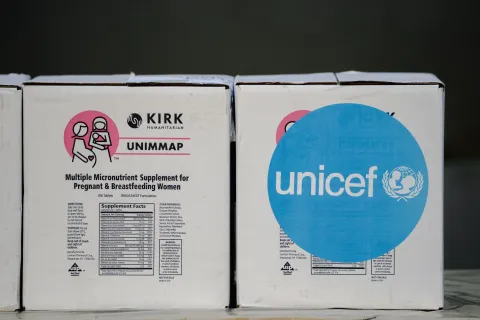
Some ads or articles mention respected institutions—like the DOH, WHO, or UNICEF—or even display logos and taglines similar to theirs. This gives the impression that the product is endorsed by those organizations, even if it is not. These visual cues can be powerful and easily misunderstood by parents as a stamp of approval.
What to look for
Do not rely on logos or familiar names alone. Check the official website or social media pages of the organization to see if they officially endorse the product. If you cannot find a clear public statement or recommendation, the article or ad may be using the name to gain your trust without permission.
5. Using celebrities, influencers, or emotional language while mentioning a product
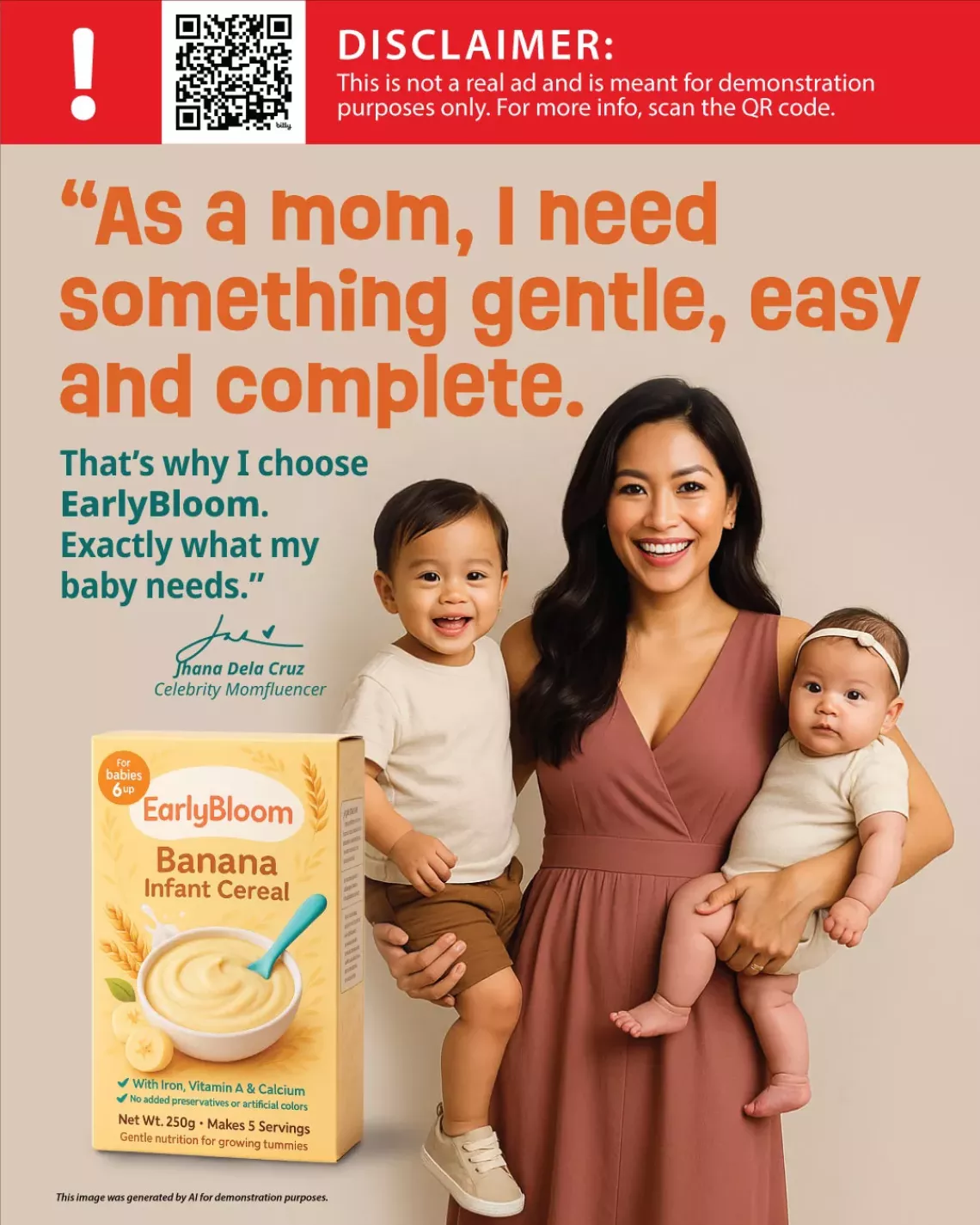
How it works
Some ads use a well-known personality, celebrity, or a relatable “parental figure” to build trust and connection. Instead of sharing real facts about nutrition, the ad focuses on emotional phrases like “exactly what my baby needs” or “gentle and complete,” which sound reassuring but don’t fully explain the product composition and its implications to the child’s health.
What to look for
Check if the ad gives clear reasons why the product is nutritious—like naming the key ingredients, how it’s different from home-prepared food, or whether it meets standards from trusted health authorities. If the ad only uses feel-good messaging or a familiar face, it’s likely designed to persuade, not inform. Use the nutrition label and ingredient list, and check with public health sources like the DOH or WHO for real guidance.
6. Luring children through toys, mascots, or giveaways
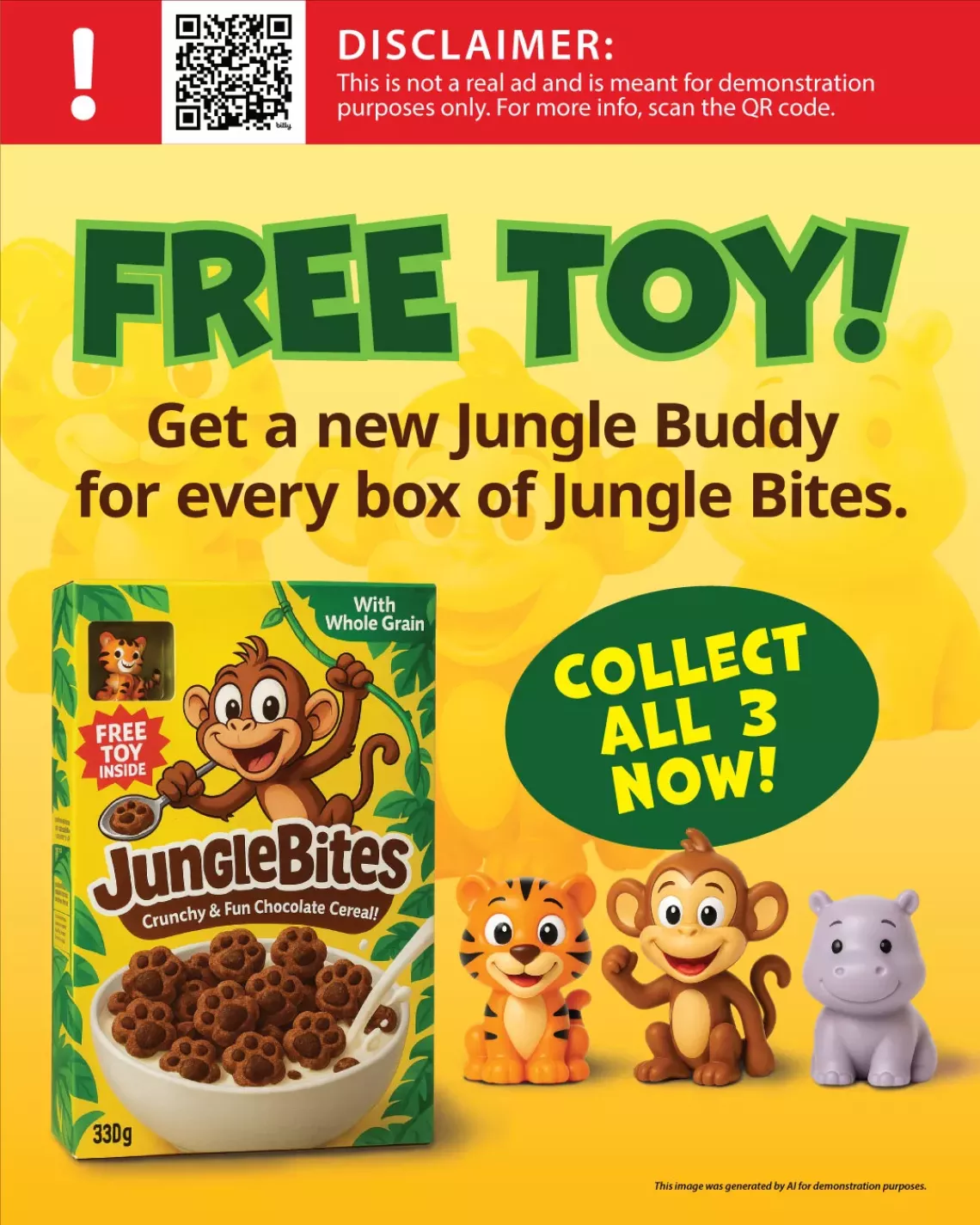
How it works
Some brands use cartoon mascots, toys, and colorful packaging to catch children’s attention. These strategies make products more appealing to kids—encouraging them to ask for it, and even collect items—but often leave out important nutrition details that parents need to decide what’s good for their child.
What to look for
See if the ad focuses more on fun and freebies than on actual nutrition. Watch out for:
- Cartoon mascots or cute animal characters
- Toys or collectibles included with the product
- Lines like “collect them all,” “free inside,” or “limited edition”
- Logos, apps, or videos that look like kids’ shows or games
- These are signs that the product is being marketed to kids—not to inform you as a parent. Always look at the nutrition label and ingredient list before deciding.
7. Promoting brand events as health and wellness initiatives
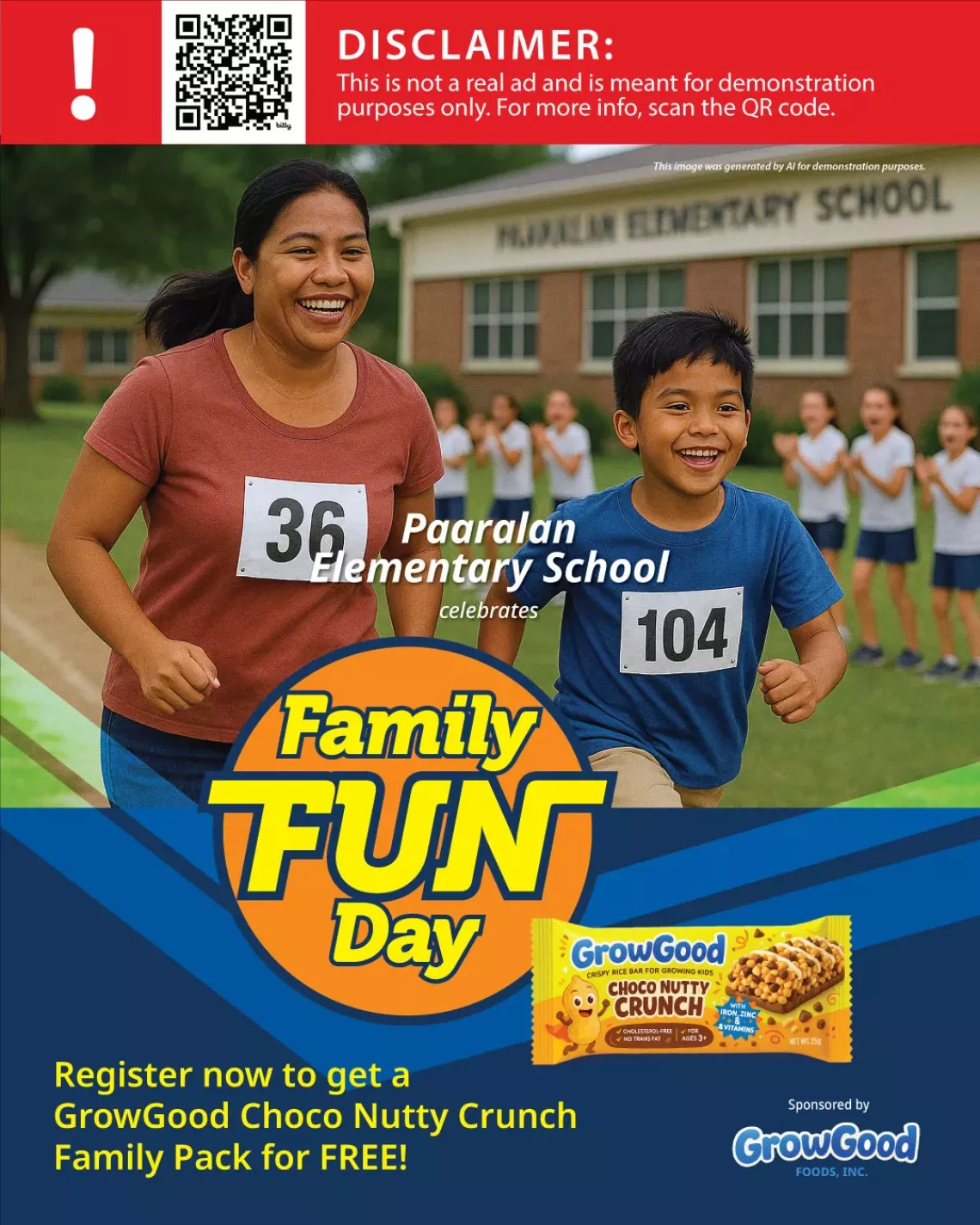
How it works
Some companies sponsor school events, health and sports clinics, fun runs, and family wellness programs to make their food products seem aligned with a healthy lifestyle. These promotions create an image of health-consciousness while subtly pushing their brands.
What to look for
Check if the event gives out free formula milk, sugary drinks, or fortified snacks, and whether the sponsor’s logos and banners are more prominent than any real health information. If the focus is on branding and giveaways rather than nutrition education or physical activity, the event may be promoting products more than wellness. When unsure, look to trusted sources like the DOH or school health guidelines before treating event freebies as healthy choices.
Marketing can be clever—but once you know what to look for, it becomes easier to spot ads pretending to be helpful advice. Before trusting any claim, check if the message includes real nutrition facts, reliable sources, and guidance from trusted health organizations. Your choices matter—and having the right information helps you make decisions based on what children truly need, not what brands want to sell.