Fighting child food poverty one meal at a time
Making nutritious food accessible for every child
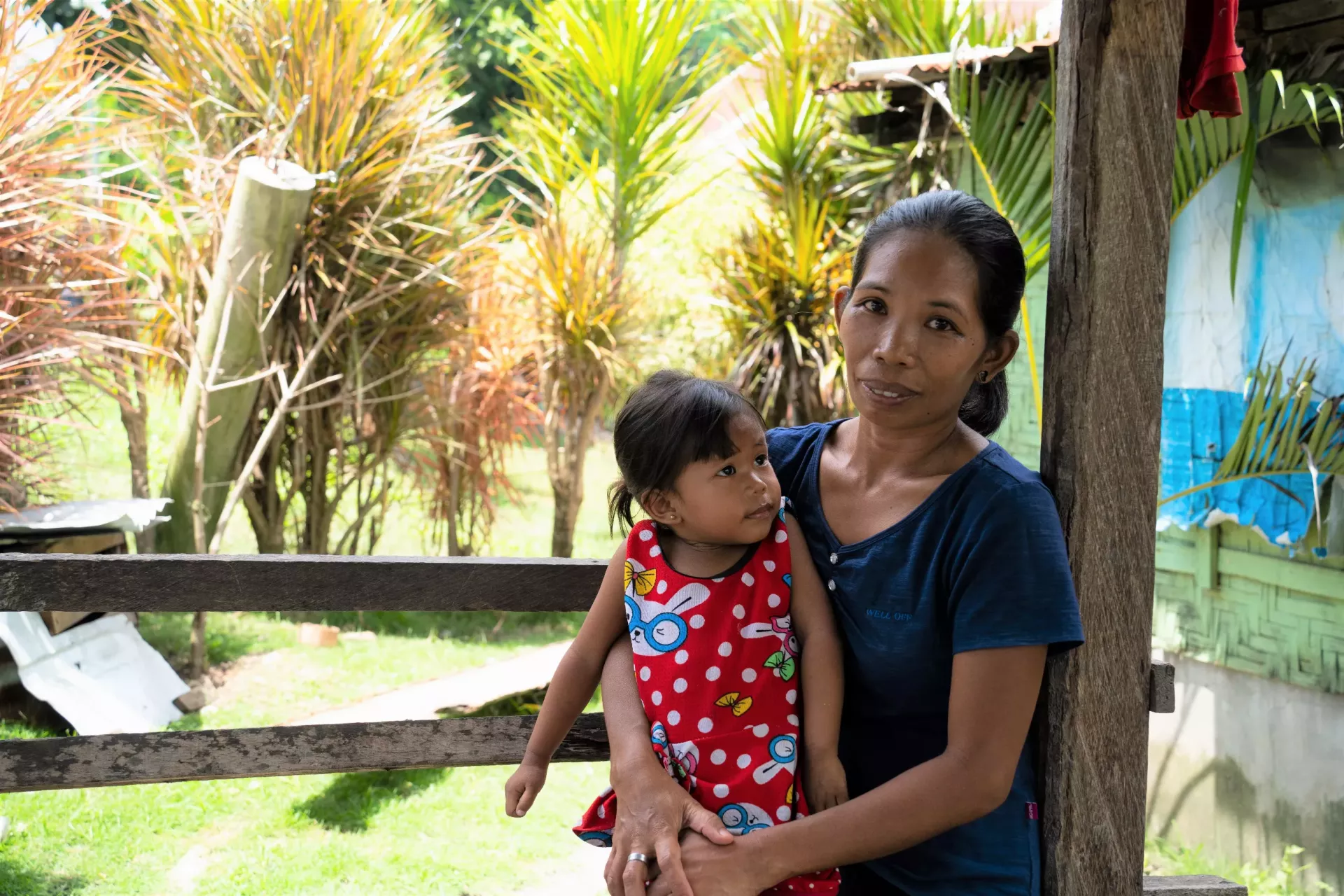
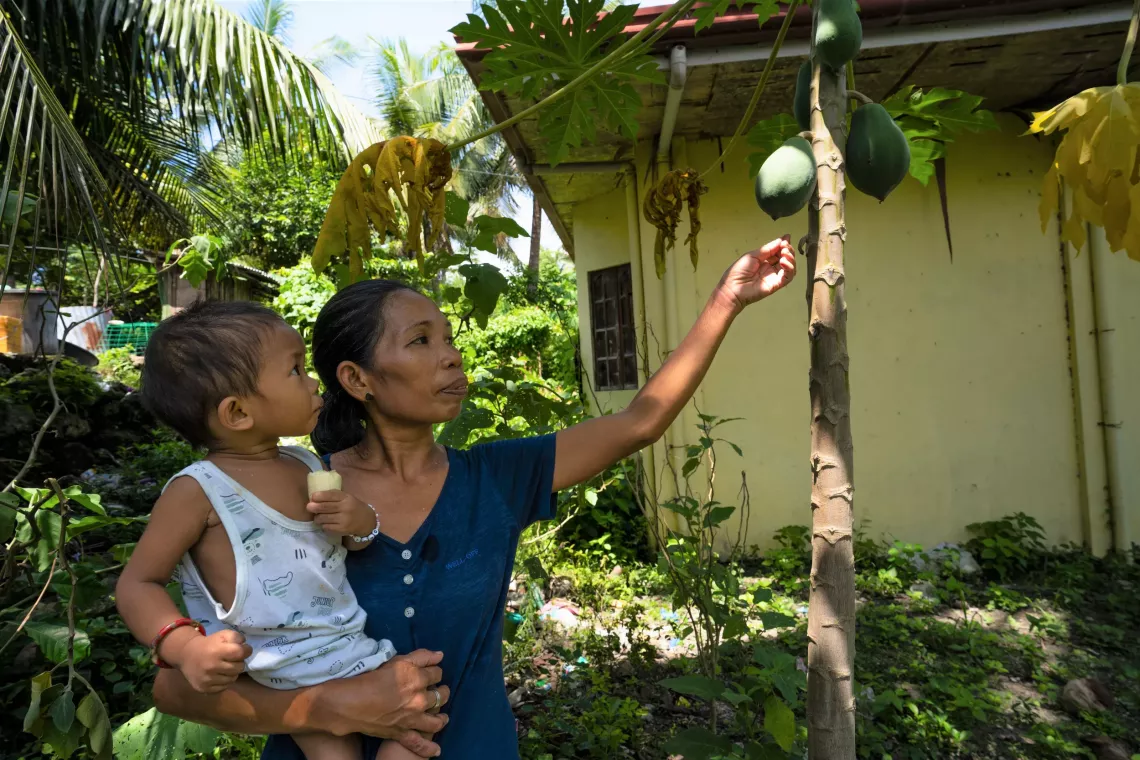
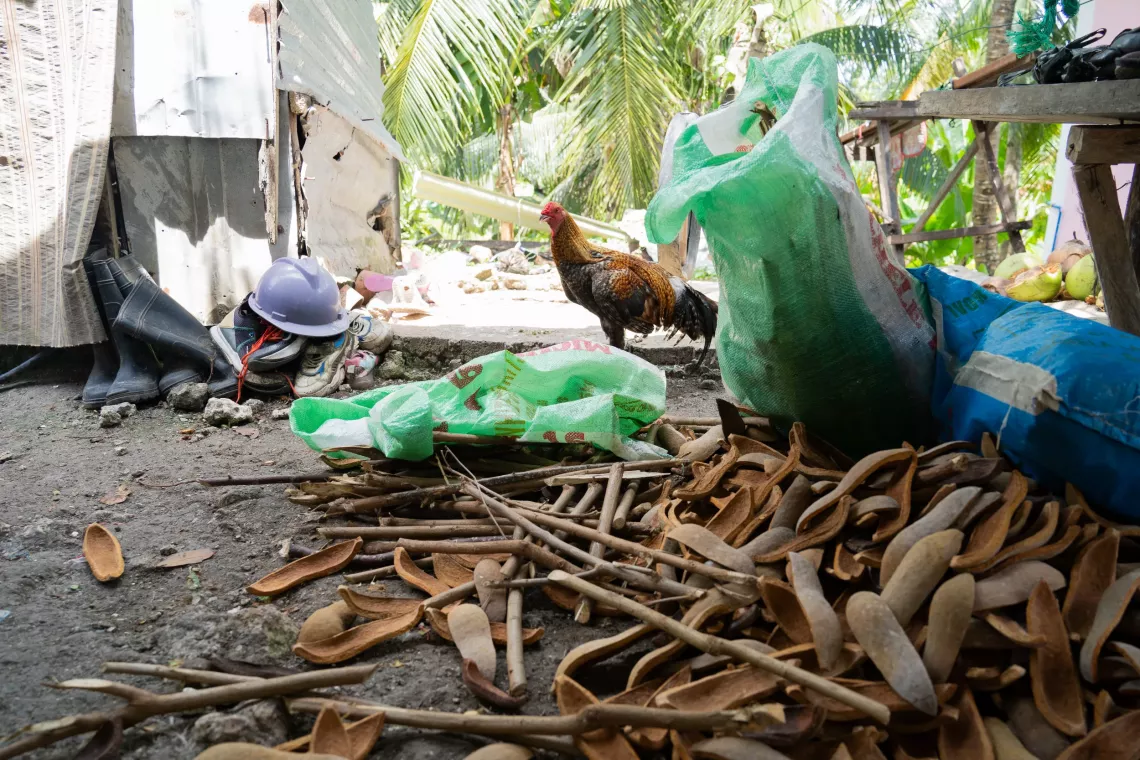
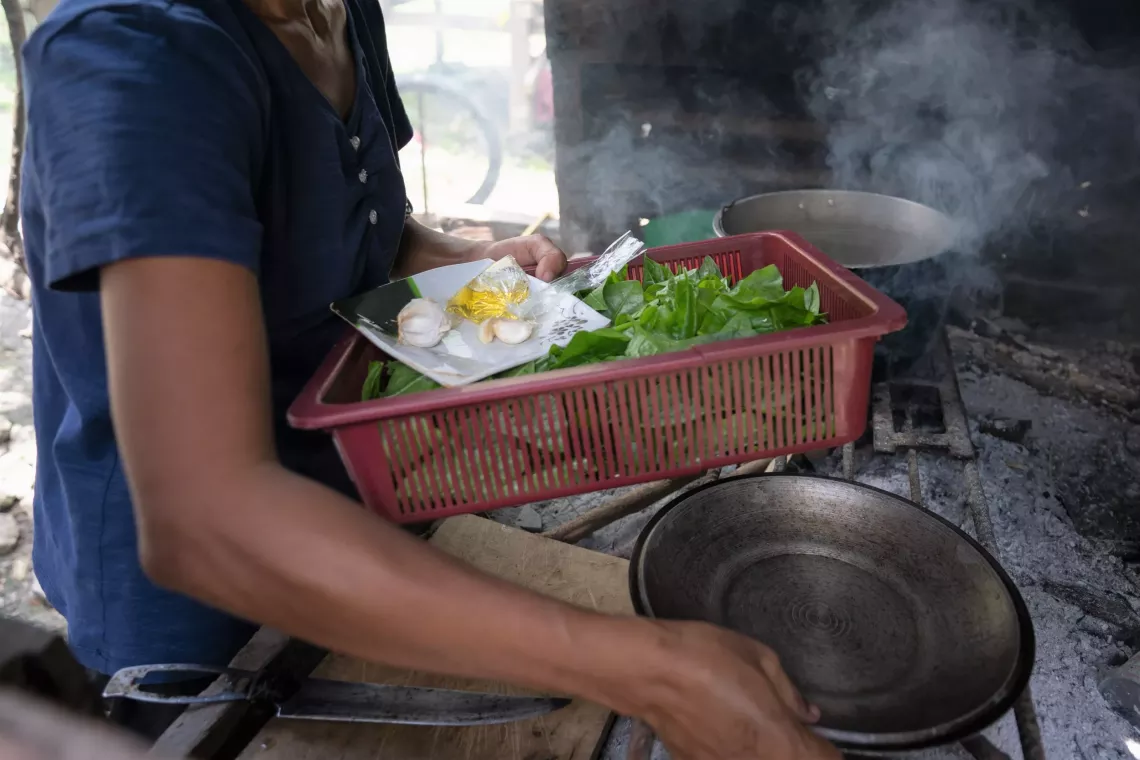
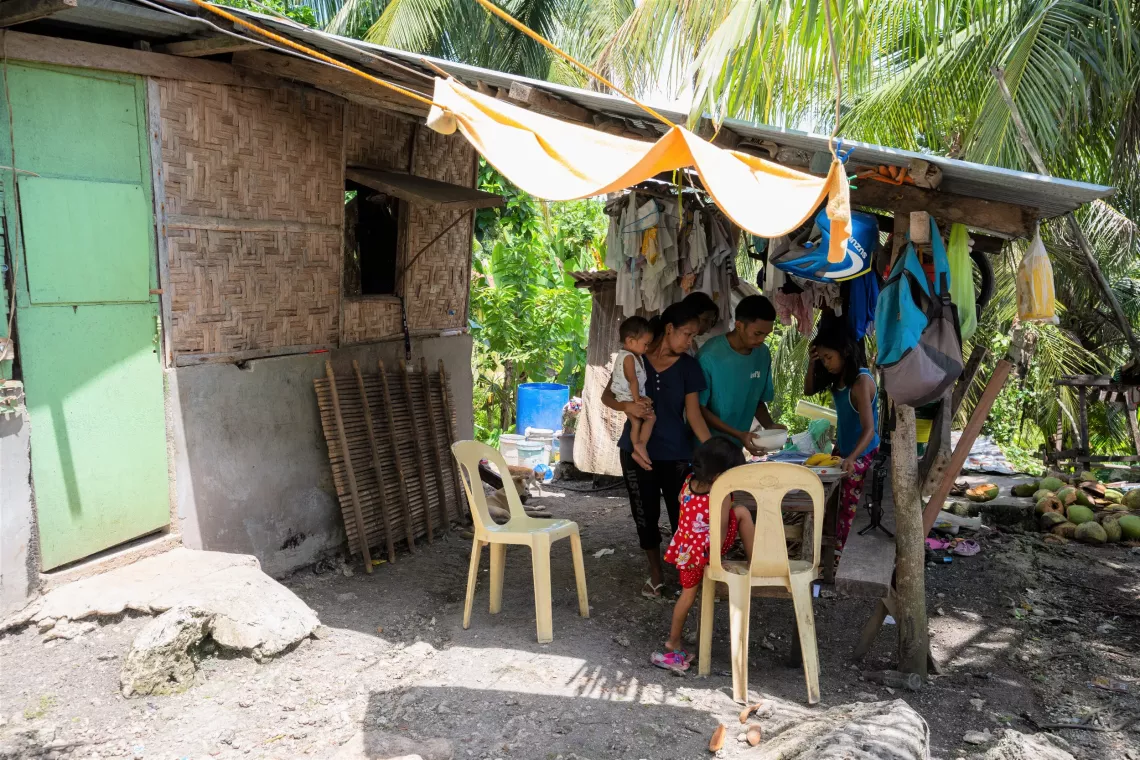
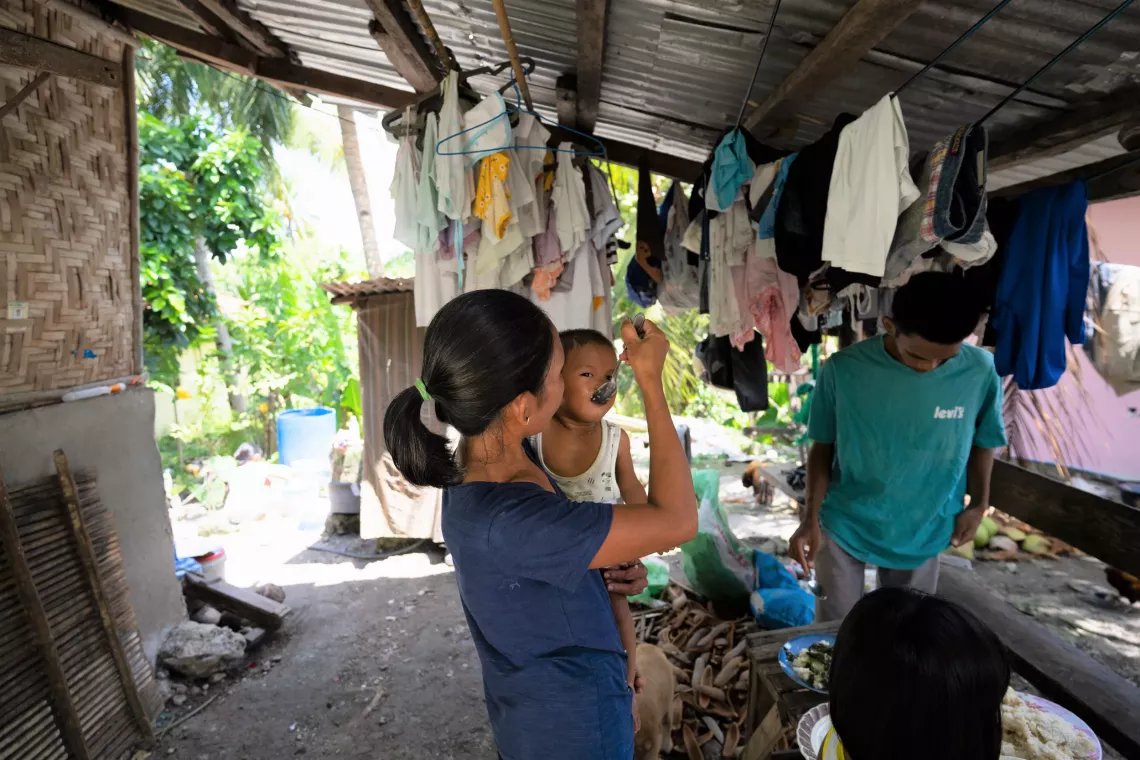
CEBU, 07 July 2025 -- In rural Dumanjug, Cebu, Anecita Hormellija, a mother of eight, prepares meals using vegetables she grows just outside her home—alugbati, papaya, and malunggay. One dish of fish with alugbati provides a rare but important source of nutrients for her children. With food prices rising, she visits the market less often. Instead, she harvests what she can and cooks over coconut husks. Her backyard garden, planted through her own initiative and maintained with support from her family, has become a steady source of food during dry spells and lean months. Her children now eat more vegetables with their rice. Anecita says the garden has made meals simpler, more nutritious, and more consistent.
Across the Philippines, nearly 9 in 10 young children do not meet the minimum acceptable diet. About 13 percent are in severe child food poverty, eating only two or fewer food groups each day. This is not just about having enough to eat—it is about access to the right kinds of food at the right stages of a child’s life. Without vegetables, fruits, proteins, and fortified staples, children miss the nutrients needed for healthy physical and cognitive development. Climate disruptions—like typhoons and long dry spells—make it even harder for families to grow or buy food. For Anecita, the garden has helped her family stay fed during those times. But many caregivers do not have the same support or access to land. They need systems that make nutritious food more available and caregiving less uncertain.
Ending child food poverty means creating food systems that are local, reliable, and able to withstand crisis. This includes investing in backyard and community gardens, supporting small-scale farmers, and making sure that nutrition and social protection programmes reach the families who need them most. Local government units can also integrate food poverty indicators such as diet diversity into development plans and strengthen their links to frontline services. Families like Anecita’s are already doing their part. Now, systems must rise to meet them. Every caregiver deserves support—and every child deserves the chance to grow up nourished, healthy, and protected from the impacts of food poverty.
About PMNP
UNICEF, through the Philippine Multisectoral Nutrition Project (PMNP), is dedicated to ensuring all children receive nutritious diets, essential nutrition services, and nurturing care during their First 1,000 Days and beyond. With USD $178 million from the World Bank, the project works with local governments in 275 municipalities across Luzon, Visayas, Mindanao, and the Bangsamoro Autonomous Region in Muslim Mindanao. The Department of Health and the Department of Social Welfare and Development are leading this project to provide a coordinated package of nutrition services and promote healthy practices at the household level to improve nutrition for every child.