Building better food environments for every child
The case for stronger policies to end unhealthy food marketing and childhood obesity
For many years, global efforts to address malnutrition have focused on undernutrition. But for the first time in history, more children and adolescents in the world are living with overweight and obesity than with underweight.
Obesity has more than quadrupled worldwide over the past 30 years and now affects 160 million children and adolescents aged 5 to 19. Without urgent action, this number could rise to 254 million by 2035.
In the Philippines, 13 per cent of school-age children and 12.5 per cent of adolescents are now living with overweight or obesity. This puts a new generation at greater risk of developing diabetes, high blood pressure, and heart disease before they even reach adulthood.
Many of these children also face stigma, bullying, and low self-esteem that can affect their performance in school and how they relate to others. Over time, the physical toll of obesity can lead to serious health problems that continue into adulthood, which increases medical expenses for families and lowers productivity across society. If these trends continue, global economic losses could reach USD 4 trillion per year by 2030.
This shift is tied to food environments where ultra-processed products, often cheaper and higher in sugar, salt, and unhealthy fat, are now widespread in neighborhood stores, near schools, and public spaces. These products are also aggressively marketed and make up up 99 per cent of the food advertisements that children see online.
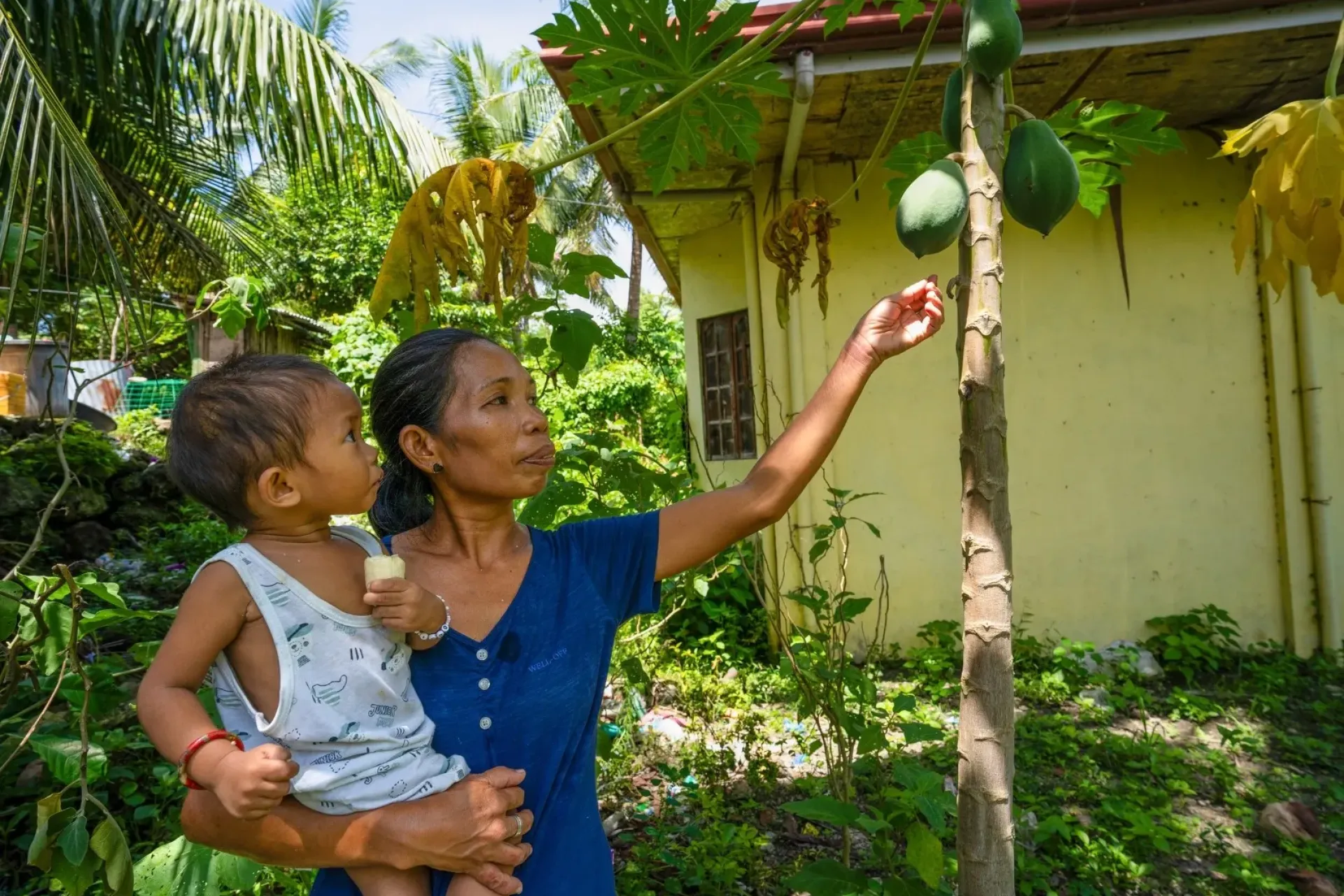
In Dumanjug, Cebu, Anecita Hormellija, a mother of eight, has seen firsthand how the food environment shapes the way children eat. For years, she relied on frozen food from the store because it was cheaper and it was what her children had learned to ask for. “Whatever they wanted, I gave it,” she says. “But they would leave their rice unfinished, and they were always sick.”


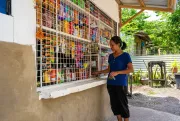

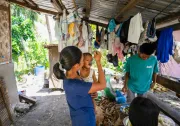
After joining community nutrition classes supported by UNICEF at her local health center, Anecita learned the importance of giving children a variety of food and meals that include vegetables, fruits, and other nutritious ingredients, instead of processed or canned food. With help from her Barangay Nutrition Scholar, she started growing vegetables and cooking fresh meals at home. “Now, even if they cry or complain, I don’t give in,” she says. “What matters is they eat vegetables and homegrown food.”
More parents like Anecita are making changes, but they cannot do it alone. Stronger policies are needed to fix the food environment and protect children from products that can harm their health.
UNICEF is working with government, local leaders, and youth advocates to push for policies that protect every child’s right to nutritious food. In Congress, draft bills aim to regulate the marketing of unhealthy food and drinks to children and require front-of-pack labels or clear, simple symbols that show if a product is high in sugar, salt, or unhealthy fat to help families make better choices, especially when time and resources are limited.
At the local level, communities are also taking action. In Pasig City, a local ordinance now restricts the sale and promotion of unhealthy food near schools. Taytay, Rizal; San Pedro City, Laguna; and Valenzuela City have also adopted similar policies to create healthier spaces for children. At the same time, information campaigns are helping families understand the risks of unhealthy products and demand better options.
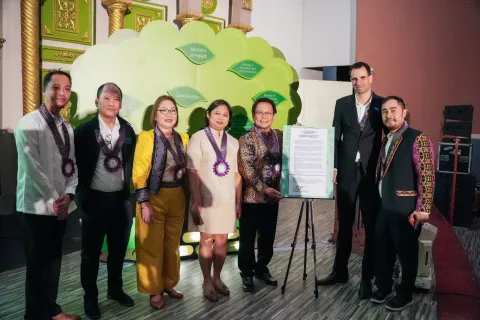
The Philippines is gaining global attention for its efforts to fix the food environment. In a recent visit, UNICEF Global Director for Nutrition Dr Joan Matji met with legislators, government officials, and other partners to support national efforts for stronger food policies. She called for urgent legislative action to protect children, hold the food industry accountable, and put children’s health above corporate profit.


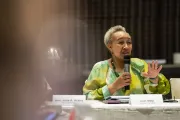


In a dialogue with the Fix My Food movement, the Scaling Up Nutrition Youth Network, and the Youth for Environmental Sustainability Organization from Commonwealth, Quezon City, advocates shared with Dr Matji what it’s like growing up surrounded by unhealthy food especially in digital spaces, and their hopes for a food environment that prioritizes children. They also highlighted community efforts like a local food bank that reduces food waste and helps families more easily access nutritious food.
The youth also shared concrete recommendations and explored how UNICEF can continue supporting the push for policies that uphold every child’s right to healthy food. Their voices reflect a growing call for accountability and stronger action to improve the food environment not just from institutions, but from communities themselves.






From mothers like Anecita to young leaders across the country, it is clear that change is possible when families are supported and the systems around them protect children from harmful food marketing and unhealthy products. UNICEF will continue working with the government and its partners to build a food environment where every child has the chance to grow up healthy and nourished.