On alert for nutrition
How health workers are preparing families for crisis
ILOILO, 19JUNE 2025 — Many children in Western Visayas face malnutrition every day. In Calatrava and Don Salvador Benedicto, more than one in seven children under five are stunted. Wasting, or low weight for height, leads to development delays, weaker immunity, and lesser energy to learn, play, and grow. Climate and environmental shocks are also making this worse. Between 2016 and 2021, the country recorded 9.7 million child displacements due to environmental hazards—the highest number worldwide. These conditions increase the risk of disrupted health and nutrition services, especially for children already facing malnutrition.
These risks already weigh heavily on families. Now, with Mt. Kanlaon erupting five times in the past year, communities are also preparing for the possibility of displacement. While many towns remain outside immediate danger zones, the risk has led local governments, including those in Calatrava and Don Salvador Benedicto, to begin drafting evacuation plans.
Missed care, missed opportunities
Evacuation can cut children off from services that are already hard to reach. In emergency shelters, families may miss breastfeeding support, regular growth monitoring, access to nutritious foods or treatment for malnutrition. Even short interruptions can lead to significant setbacks. For infants and young children, missed care can mean missed chances to survive and thrive.
To help health workers respond to both the ongoing malnutrition crisis and the threat of disasters, the Department of Health, with support from UNICEF, organized a training series through the Philippine Multisectoral Nutrition Project (PMNP). One of the key areas of focus was nutrition in emergencies and training health workers to protect child nutrition when disasters disrupt daily services. The session brought together rural health officers, midwives, nurses, and nutrition officers from five municipalities in Iloilo and Negros Occidental to strengthen nutrition services not just in day-to-day work, but also how prepare and respond to nutrition needs of children and families during emergencies.
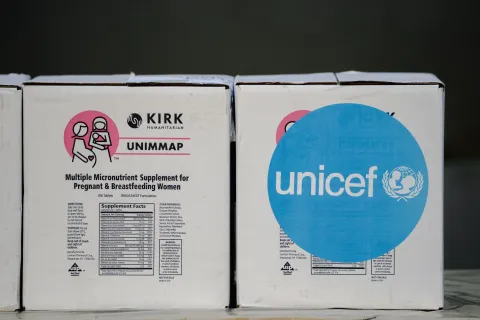
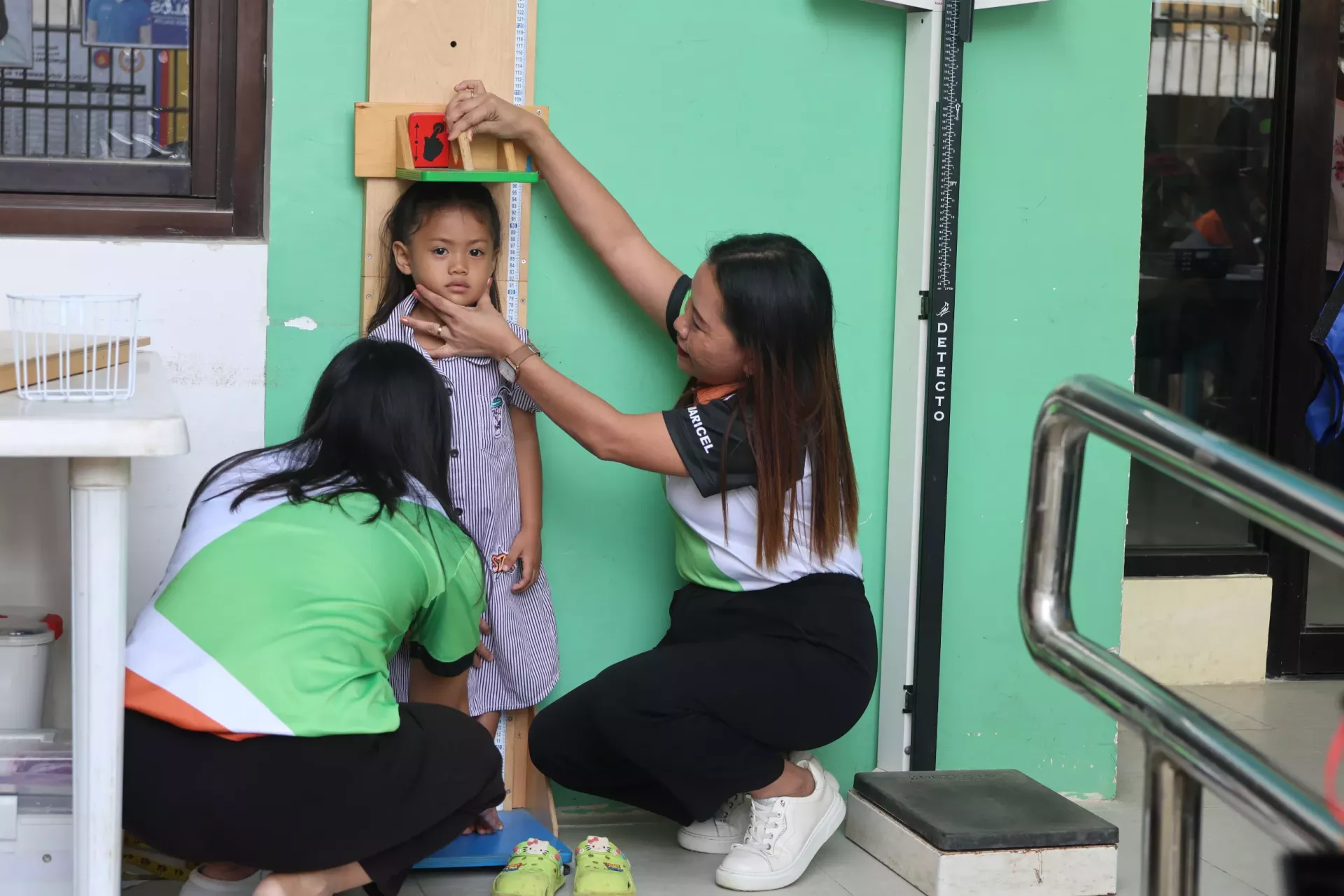
The sessions focused on practical work: identifying signs of malnutrition, supporting infant and young child feeding, and how to keep services going when disaster strikes. To build skills for nutrition in emergencies, the training also covered early detection of malnutrition using mid-upper arm circumference tapes, a simple tool to quickly assess a child’s nutritional status, along with growth monitoring. It also included guidance on infant and young child feeding in emergencies and the use of therapeutic food and supplies when usual delivery systems break down. Participants also reviewed how to stockpile essential nutrition supplies and draft municipal nutrition in emergencies plans linked to local disaster risk reduction strategies.

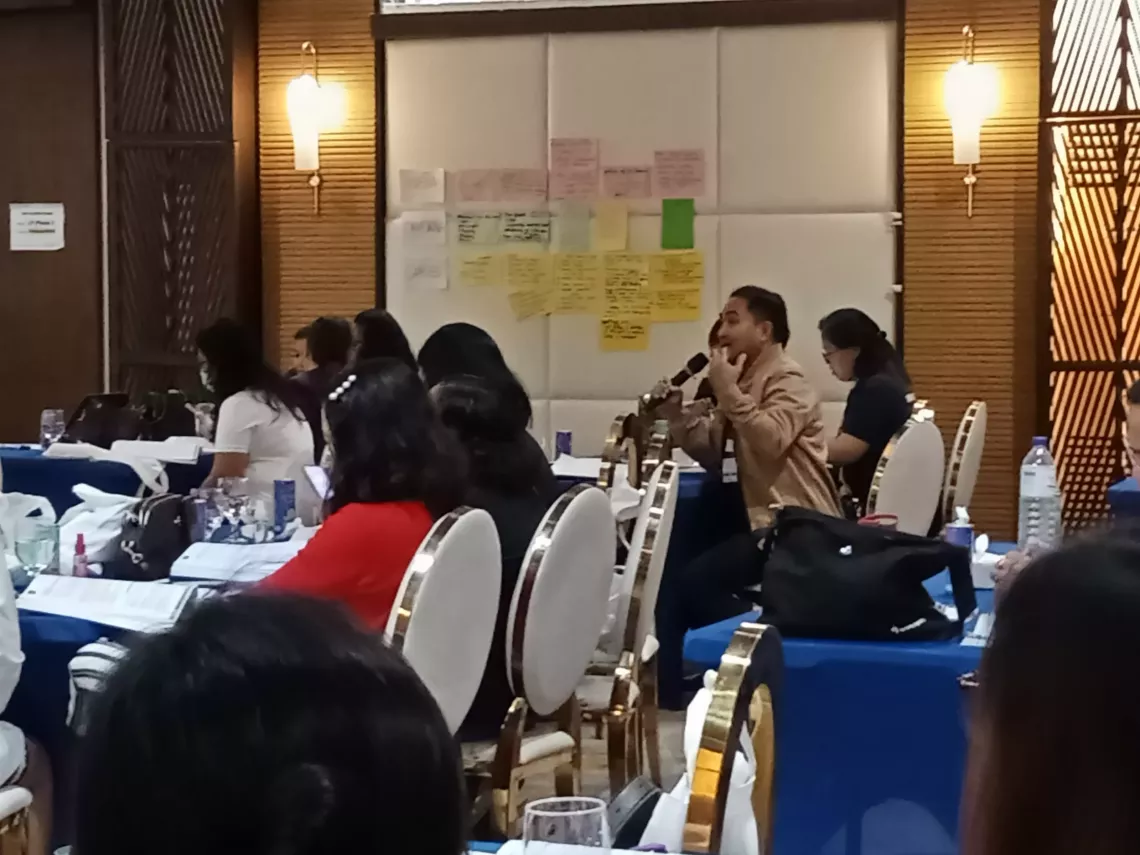
For Dr. Jade Paul Morin, Municipal Health Officer of Don Salvador Benedicto, the sessions helped clarify how to respond when families need urgent help. “I ask questions during training because I need to be ready when families come in with concerns,” he said. “It matters that I can explain what is happening to their children.”
In Carles, the training prompted plans to revive a peer counselor network organized more than a decade ago. The town still remembers the toll of Super Typhoon Haiyan (Yolanda) in 2013, when many families were cut off from health services for weeks. “We need community support in caring for the baby to whom the mother can refer in case of breastfeeding difficulties,” said Nutrition Action Officer Franco Paulo Bacinillo. “It would help a lot if the IYCF peer counselors are active members of this support group. The immense resources that PMNP can provide will allow us to revive our 33 peer counselors organized in 2013 to enhance and strengthen the promotion of breastfeeding and age-appropriate complementary feeding in the first 1,000 days of life.”
These peer counselors were originally trained to provide practical, community-based support especially in areas where mothers could not regularly visit clinics. They served as local guides for breastfeeding, complementary feeding, and common nutrition concerns. Reviving the network means more mothers will have access to support when formal services are stretched or unavailable—a lesson Carles has taken to heart since the days after Haiyan.
Beyond reviving past efforts, the training also helped health workers see what else was missing—and how they could step in. Some left with plans to restart regular growth monitoring in far-flung areas. Others are working to reintroduce community-based feeding and breastfeeding groups or reconnect with barangay health workers to better support families before problems escalate. For many, the sessions reinforced a simple but urgent goal: to keep care going, even when emergencies upend everything else.
This effort is part of a larger push to improve nutrition care in provinces with high rates of undernutrition, especially in times of emergencies. Through the PMNP, local governments receive not just funding, but also practical tools and training that help health workers respond to what families actually need.
“Emergencies do not wait for us to be ready. Investing in training and preparedness of community-based systems means children can keep receiving the nutrition support they need—even when the worst happens,” said Alice Nkoroi, UNICEF Philippines Nutrition Manager.
For every child, lifesaving nutrition services.