50th Nutrition Month needs everyone in society to unite behind the Philippine Plan of Action for Nutrition (PPAN)
KORONADAL CITY, 1 July 2024 – As the nation marks the 50th year of National Nutrition Month, it has never been more urgent for everyone in society to get behind the Philippine Plan of Action for Nutrition (PPAN) 2023-2028 to transform children’s nutrition, combat stunting, and reverse the tide of childhood overweight and obesity, the Nutrition National Council and UNICEF said today.
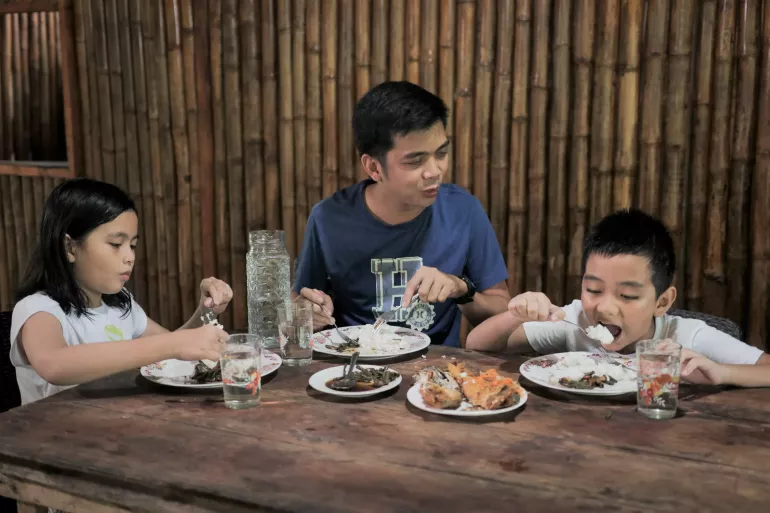
Stunting affects 26 per cent of children below 5 years, and can result in poor cognition and educational performance, and negatively affect outcomes later in life such as low wages and lost productivity. There has also been a rapid increase in childhood overweight and obesity since 2003. The number of overweight and obese children has almost tripled and is now classified as “high” according to global standards. Micronutrient deficiencies such as the lack of iron, iodine and vitamin A affect pregnant and lactating women, and children. Parents and families are struggling to provide nutritious and diverse foods that young children need to reach their full potential. According to a UNICEF study, the Philippines is one of the countries that account for 65 per cent of the total number of children living in severe child food poverty or children consuming only two of eight defined food groups.
Stakeholders - government, local government units, non-government organizations, business, civil society and communities - have agreed to the PPAN, which charts the path until 2028. However, more needs to be done to achieve substantive improvements in the so-called triple burden of malnutrition. This is in line with the UN Sustainable Development Goals, particularly in ending hunger and eliminating all forms of malnutrition and the Philippine Development Plan on ensuring food security and nutrition.
“As we celebrate the 50th Nutrition Month, we call on all sectors of society to support the Philippine Plan of Action for Nutrition come alive in each and every barangay. We encourage local chief executives, and other partners to implement local nutrition action plans that reflect this vision,” said Assistant Secretary Dr. Azucena Dayanghirang, Executive Director IV of the National Nutrition Council. “In this Nutrition Month, we are addressing the low awareness of the PPAN. NNC’s survey showed that about 40 percent of respondents were aware of the PPAN.”
"Every child has the right to proper nutrition. When children are well-nourished, they can better learn, play, and engage in their communities, while also being more resilient in the face of illness and crises. Good nutrition is a fundamental driver of development and is essential for nation-building," said UNICEF Philippines Representative Oyunsaikhan Dendevnorov.
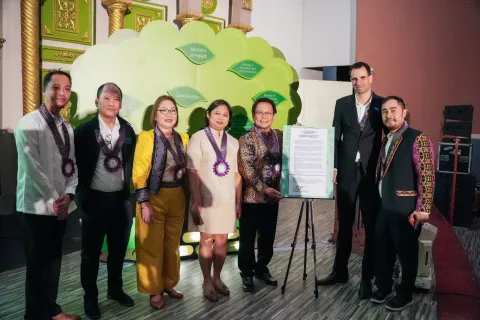
This year’s theme is “Sa PPAN: Sama-sama sa Nutrisyong Sapat Para sa Lahat!” (Through PPAN, let’s collaborate on nutrition security for all!). The national launch was held in Koronadal City in partnership with the provincial government of South Cotabato. Participants pledged to support the PPAN and learn from the good practices of PPAN implementers from the SOCSKSARGEN region.
In promoting the PPAN, the Nutrition Month campaign intent is to increase consumer demand for healthy diets and improve access to adequate, age-appropriate, nutrient-dense, diverse, safe, and sustainable diets. The PPAN, which includes nutrition interventions across all the life stages, emphasizes the need to educate families and communities on proper nutrition.
Local government units which are responsible for delivery of nutrition services at the local level, are expected to have local nutrition action plans that are aligned with the PPAN. LGU investment in nutrition needs to include interventions in the critical first 1,000 days that must reach at least 90 percent of target pregnant women and children 0-23 months old. These need to be complemented with interventions to halt the rise in obesity including policies on reducing marketing of unhealthy food and beverages to children, promoting physical activity by transforming the built environment and improving access to nutrition services.
The NNC calls on all stakeholders to converge services in the PPAN priority areas which are 34 provinces with the highest rates of child stunting and food poverty. NNC recently launched the PPAN Stakeholder Map which profiles the interventions of various sectors in municipalities and cities all over the country. Stakeholders can provide support in areas with programme gaps.
UNICEF played a key role in shaping the path ahead by conducting focus group discussions, theory of change workshops, and developing an operational plan, among others.
Media contacts
About UNICEF
UNICEF promotes the rights and wellbeing of every child, in everything we do. Together with our partners, we work in 190 countries and territories to translate that commitment into practical action, focusing special effort on reaching the most vulnerable and excluded children, to the benefit of all children, everywhere.
For more information about UNICEF and its work for children in the Philippines, visit www.unicef.ph.
Follow UNICEF Philippines on Facebook, Instagram, LinkedIn, TikTok and Twitter and YouTube.