Inclusive education for the next generation
With support from the Global Partnership for Education, community voices like Mariam Bibi’s and UNICEF’s Local Education Group are changing the education landscape in Khyber Pakhtunkhwa
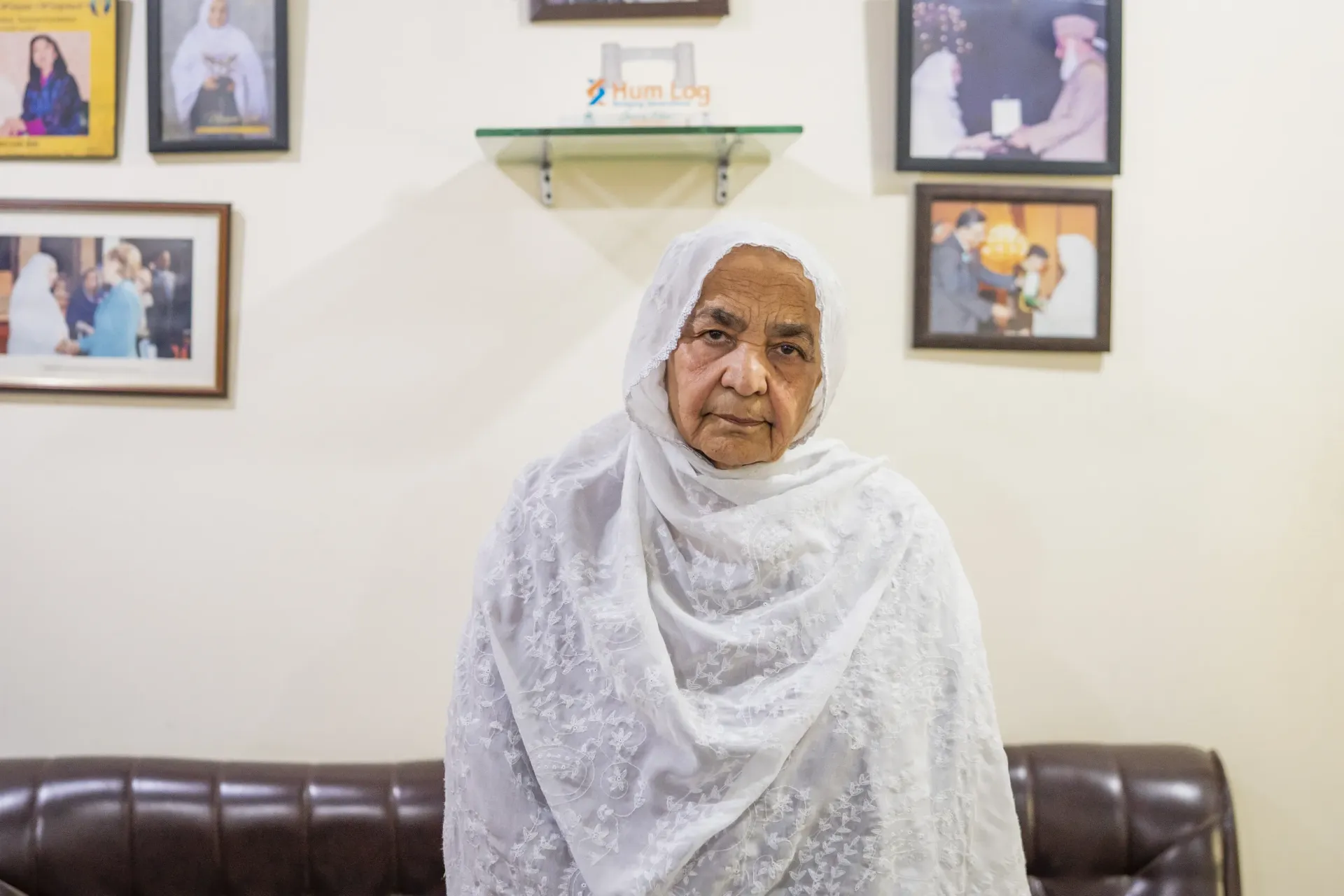
At 72 years of age, Mariam Bibi is still actively pursuing her life’s purpose: girl’s education. Day in, day out for the past 28 years, Mariam has worked with parents and community leaders to find new ways to educate more underserved children. Today she works alongside UNICEF and other partners on this shared mission.
She sits in her office with various accolades adorning her walls. A picture of her with Hillary Clinton, former U.S. Secretary of State casually hangs in the background. “I come from a very remote and underdeveloped background. I am only here doing what I do because of education,” she says. Her father insisted that she complete her education at a time when girls’ education was almost unheard of. She graduated from Jinnah College for Women in Peshawar, an opportunity that would shape the course of her life and many others.
Mariam is a member of the Local Education Group (LEG), a UNICEF-supported platform under the System Capacity Programme with funding from the Global Partnership for Education. Designed to strengthen sector coordination and improve planning, the LEG brings in community voices with passion and decades of grassroots experience to national dialogue. This ensures that the realities faced by communities, especially girls and marginalized children, inform policy decisions and make education more inclusive and responsive.
“Education is protection,” shares Mariam. “It improves health, prevents child marriage and gives families hope. Education is everything.”
Understanding the barriers
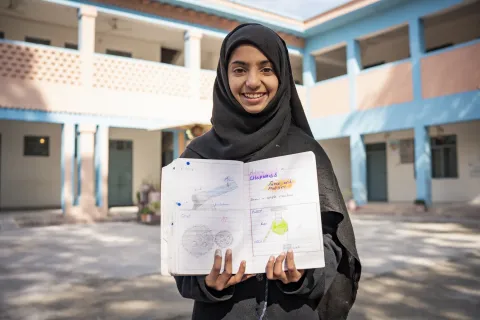
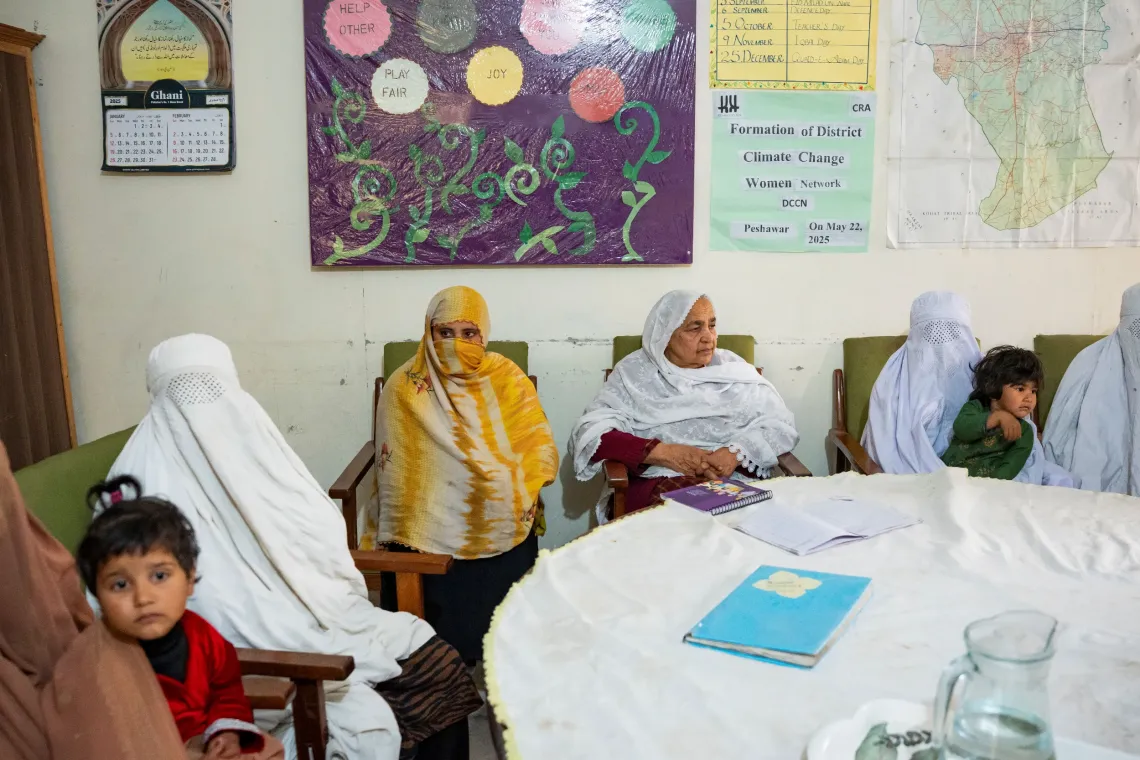
In 1994, Mariam founded Khwendo Kor which means ‘Sister’s Home’ to reach communities with little or no access to education. Working in some of the most conservative and under-resourced districts, she championed community-based education. Since then, more than 50,000 children have completed their primary and secondary education with her support. Some graduating to become doctors and even teachers in the very classrooms they once sat in.
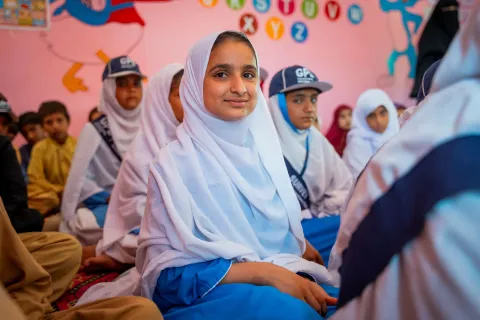
This experience gave her an in-depth understanding of the complex challenges families face. Poverty, distance, household responsibilities and social norms often prevent children, especially girls, from attending school. Nearly 4.9 million children are out of school, including about 2.9 million girls in Khyber Pakhtunkhwa.
“You cannot just tell a mother to send her daughter to school,” Mariam shared. “She may say the girl must fetch water or help at home. Everything is connected.”
She brings these profound messages to education dialogue as an LEG member, “Without education, women remain vulnerable to exploitation and exclusion.”
A seat for inclusivity at the table
“We reflect the realities on the ground, so decision-makers can understand what is really happening. These must shape solutions for quality access,” she explains.
The LEG has created space for civil society, government and partners to work more closely together. A mapping exercise of education programmes and partners and the joint education sector review revealed the scale of partner contributions to the Education Sector Plan 2020-2025 and the need for stronger coordination and alignment with government priorities.
“The biggest victory for the LEG is that the government is listening and engaging local partners in policy dialogue. This to me is a major positive change,” says Mariam.
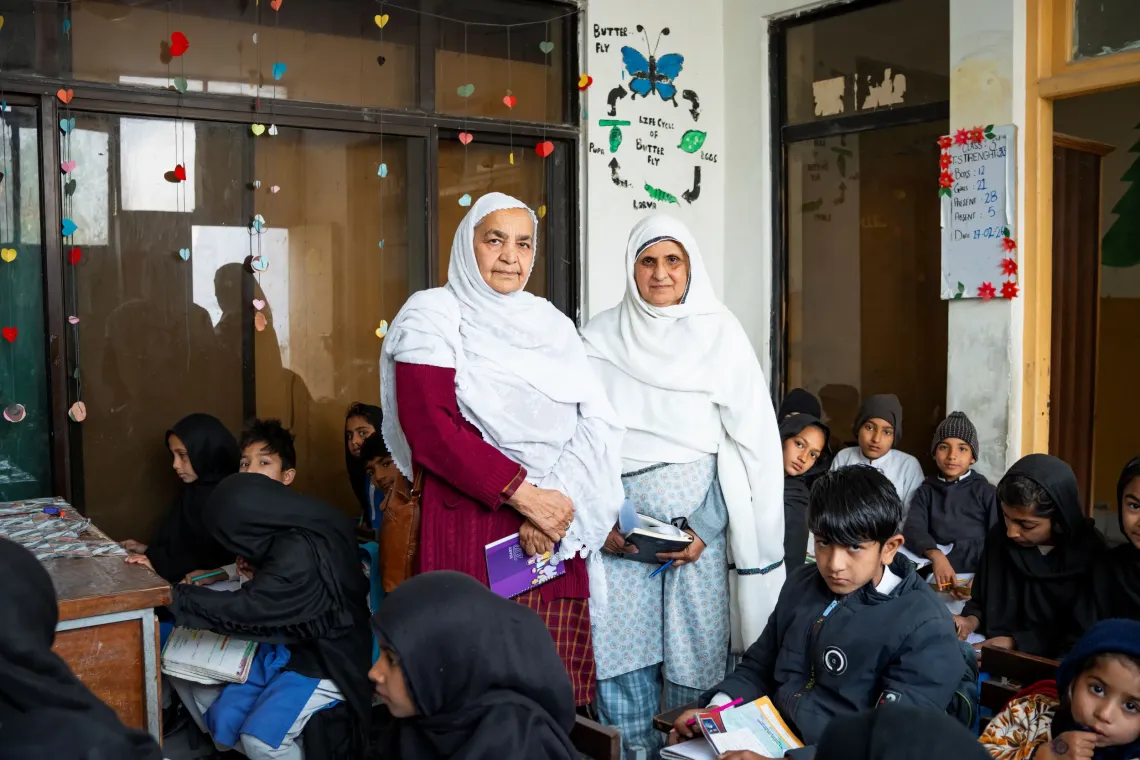
Over the years, Mariam witnessed sweet moments of victory and remarkable transformations. Girls who once struggled to access education have gone on to become professionals, creating ripple effects across their communities. These successes reinforce her belief that education can break cycles of poverty and open opportunities for future generations and drive her participation in the LEG.
A Shared Vision
The LEG is critical platform which enables strong advocacy through community participation for equitable access, innovation and digital solutions.
More must be done to address barriers to girls’ education and ensure education systems can tackle the present challenges and prepare for the future. Mariam highlights the importance of integrating technology, addressing climate risks, strengthening teacher training and expanding access in remote areas.
“We cannot plan for education without planning for the future. Education should be inclusive, participatory and ready for the 21st century. Change at community level takes time, but policy change can move faster so we must connect the two.,” adds Mariam.
Despite decades of challenges, she remains deeply hopeful. “I will keep fighting for education until the end of my days,” she says. “If one girl graduates, she can change many lives.”
Her mission is clear: no child should struggle for their right to education. Through the power, passion and experience of members like Mariam, the Local Education Group is driving this mission for more inclusive education systems across Khyber Pakhtunkhwa, so no child is left behind.