Where she grows
Girls' journey through menstrual health in Fiji

Honouring Tradition
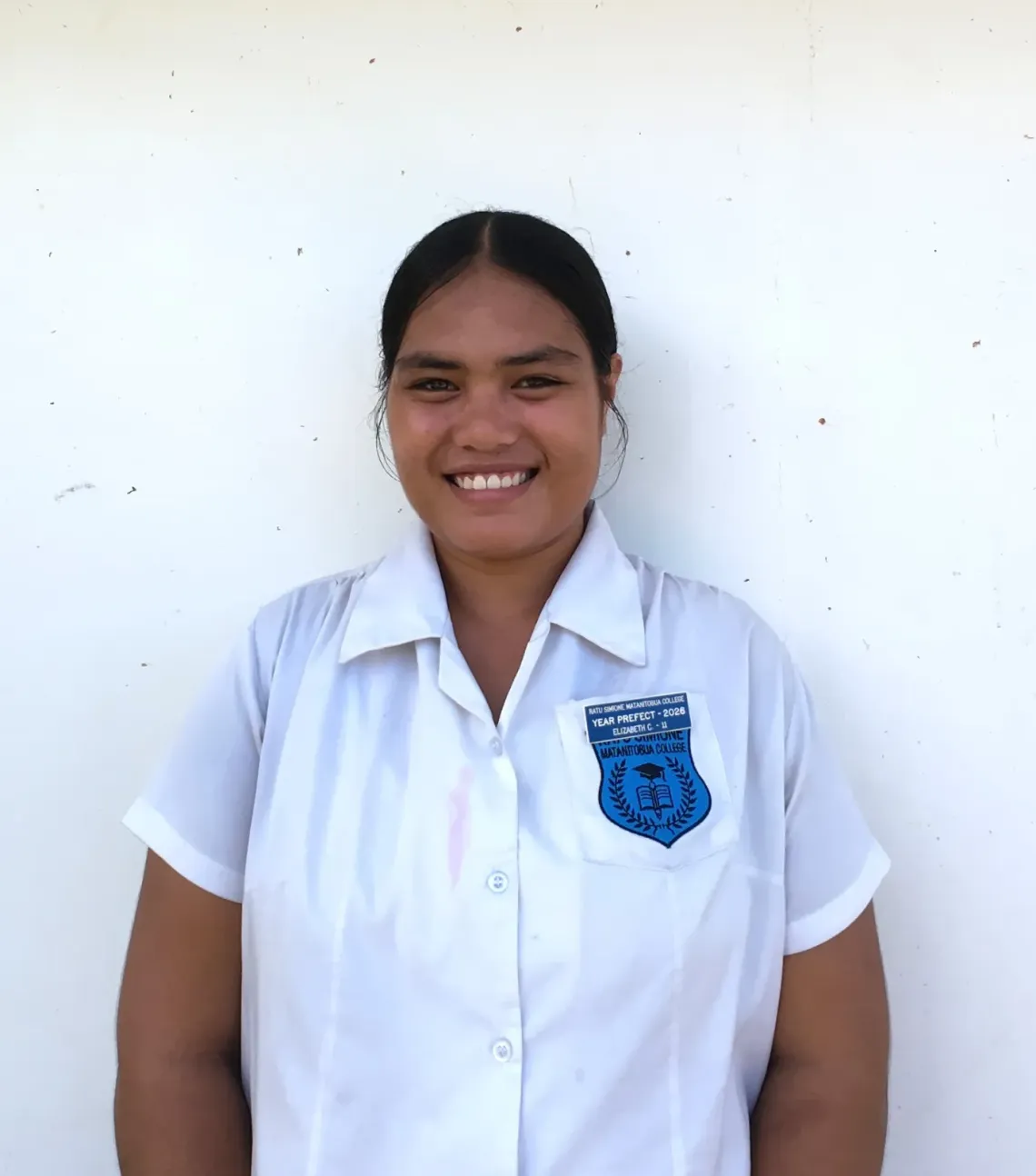
For Elizabeth (18), a student at Ratu Simione Matanitobua School in Lami, her first experience of menstruation was deeply influenced by cultural tradition.
Originally from Taveuni Island, one of Fiji’s outer islands where life remains largely rural, she had moved to the urban area of Lami to continue her studies.
“When I had my first menstruation, I had to stay in a quiet room without talking to anyone,” she recalls.
For three days, her family quietly brought her food and checked on her. On the fourth day, a celebration marked her transition into womanhood. She sat on a new mat as relatives gifted her clothes, changing them throughout the day.
“It was to celebrate my new life,” she says.
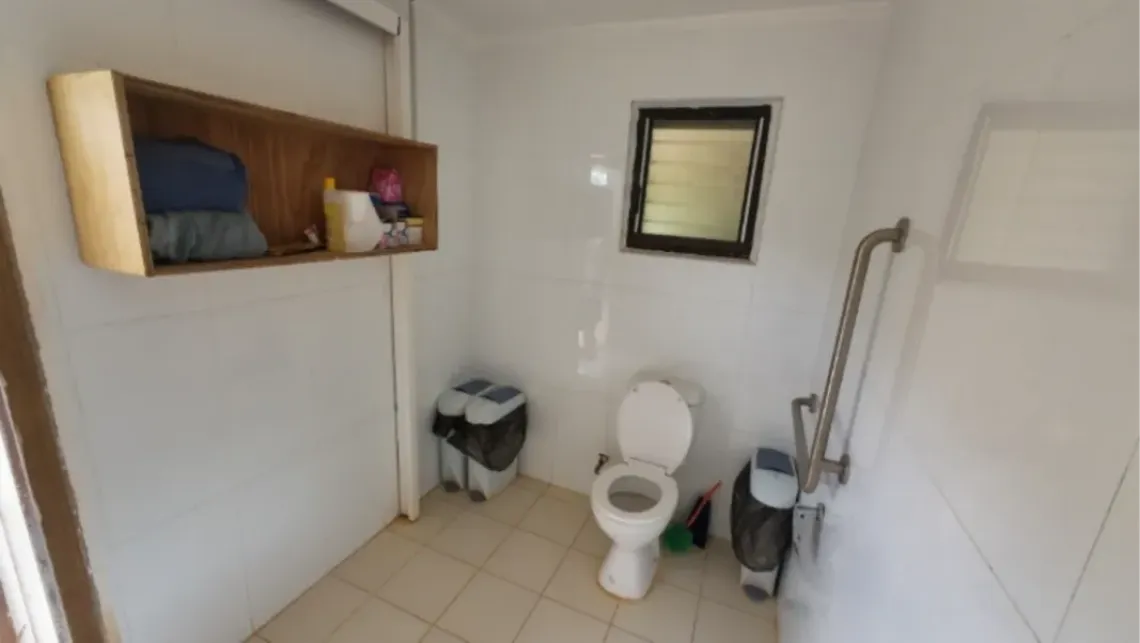
Elizabeth’s experience at school today is very different. At her school, a newly built menstrual hygiene health (MHH) room provides privacy and essential supplies.
“It feels safer than the normal washroom. Everything is prepared - pads, gloves, towels, and toilet paper,” she explains.
School: safety or anxiety?
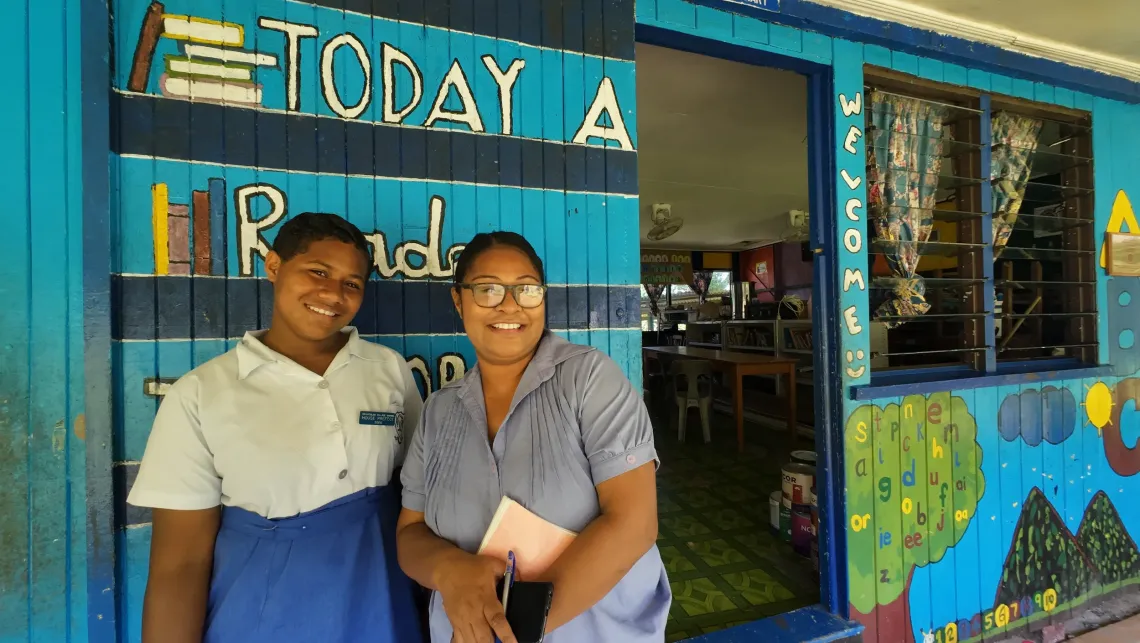
But not all girls share this experience. Ulita (13) at Veivatuloa Village School faces daily anxiety due to lack of facilities.
“I worry because there is no door in the washroom. Without privacy, I often have to go home to manage my period and then return to school.”
Her teacher, Ms. Mereilisoruibau, explains the steps she is taking to improve the situation.
“As the WASH coordinator, I am planning to create a separate changing room and toilet for girls, install proper showers, and ensure privacy.”
She also organizes meetings with school management to present her plans, advocate for funding and quality construction, and guide students on hygiene practices including handwashing after every lunch.

Starting Early Builds Confidence
For many girls, menstruation begins before they fully understand what is happening.
Mrs. Chandra, a WASH coordinator at Marist Convent Primary School, reflects on her own experience.
“When I was a little girl, I had no idea about menstruation. I had to use cloth because it was the only option, and I walked more than an hour to get to school. But today, I can see the progress that has been made in MHM in Fiji. Education should start early, with simple lessons in the lower grades that gradually build over time.”
This is the work that continues today, supporting young girls like Selina and Katarina. Through open conversations and hands-on guidance, girls are learning to approach menstruation with confidence, dignity, and a sense of empowerment.
Everyone Plays a Role
Creating a supportive environment means involving not just girls, but boys, teachers, families, and the wider community.
For 16-year-olds Eseta and Betty from Ballantine Memorial School, “Boys should understand and respect girls’ boundaries.”
While some classrooms feel safe, situations like sports activities can still cause discomfort, showing that stigma has not yet fully disappeared. Support and preparation need to come from both school and home, with girls encouraged to carry basic hygiene supplies in their school bags. Peer learning is also making a difference, as older students guide and mentor younger ones.

A Shared Vision for the Future
From traditional practices on rural islands to improved facilities in urban schools, students and teachers share a consistent message.
Girls need privacy, knowledge, and support.
Even simple improvements such as proper hygiene facilities, early education, and reliable access to menstrual supplies can make a meaningful difference in their daily lives.
Why WASH in Schools Matters
Menstrual health is about much more than managing a period. It begins long before a girl experiences her first cycle, shaped by what she learns, the support she receives at home and school, and her access to safe water, sanitation, and hygiene services.
Experiences from Fiji show that support cannot start too early. When girls are prepared, when their questions are answered, and when schools provide safe facilities and supplies, they approach menstruation with confidence rather than fear.
Strengthening WASH in schools including education about menstrual health, safe facilities, and reliable access to pads and hygiene products ensures that girls can stay in school and participate fully in learning. For many, that first experience leaves a lasting impression. It shapes how they see their bodies, their health, and their place in the classroom.
When support begins early, it can make all the difference, helping girls grow with dignity, confidence, and the assurance that they belong.