The Nurse Who Survived and Went Back to Fight
From survivor to advocate: How Sela Tuitupou’s story inspired action
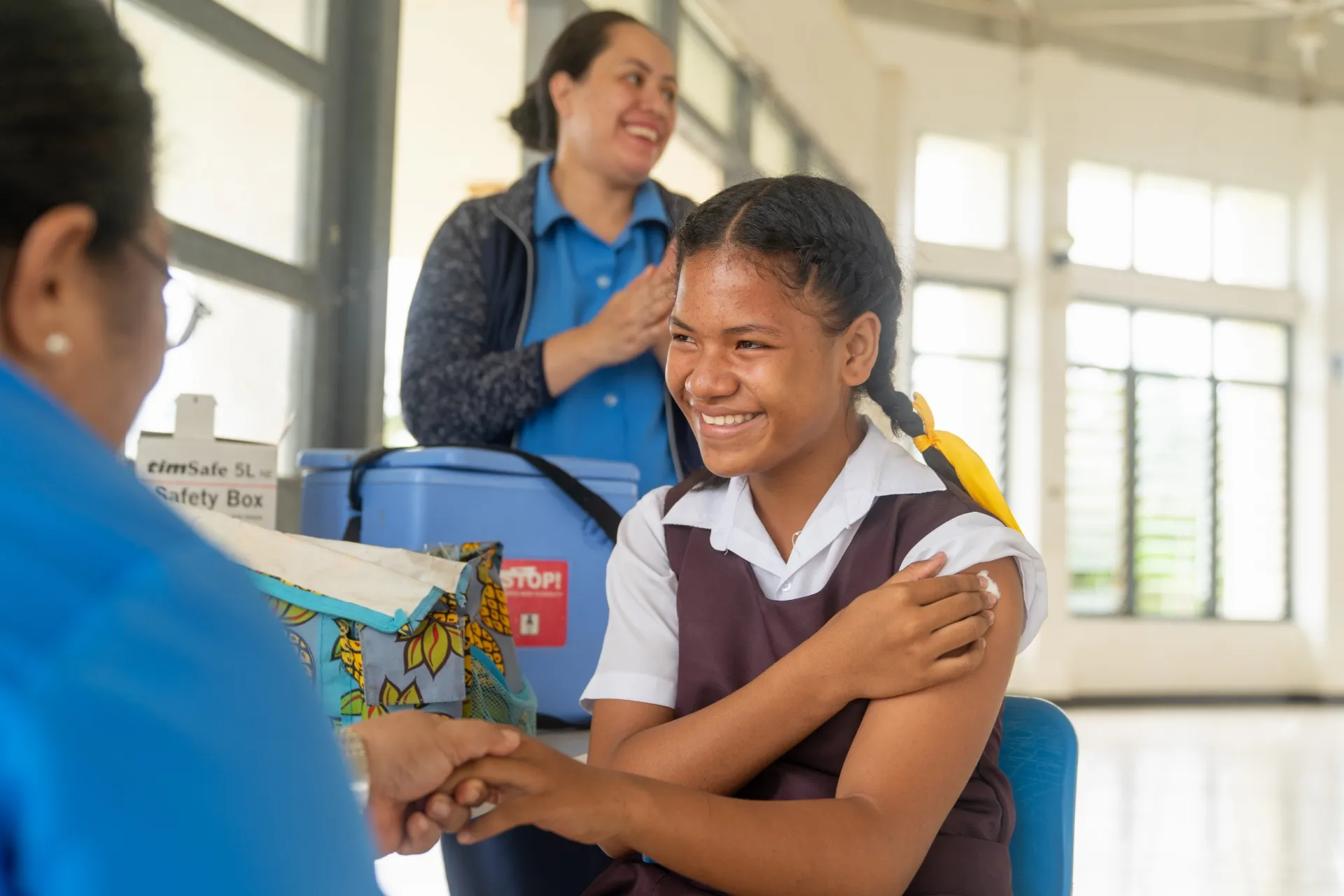
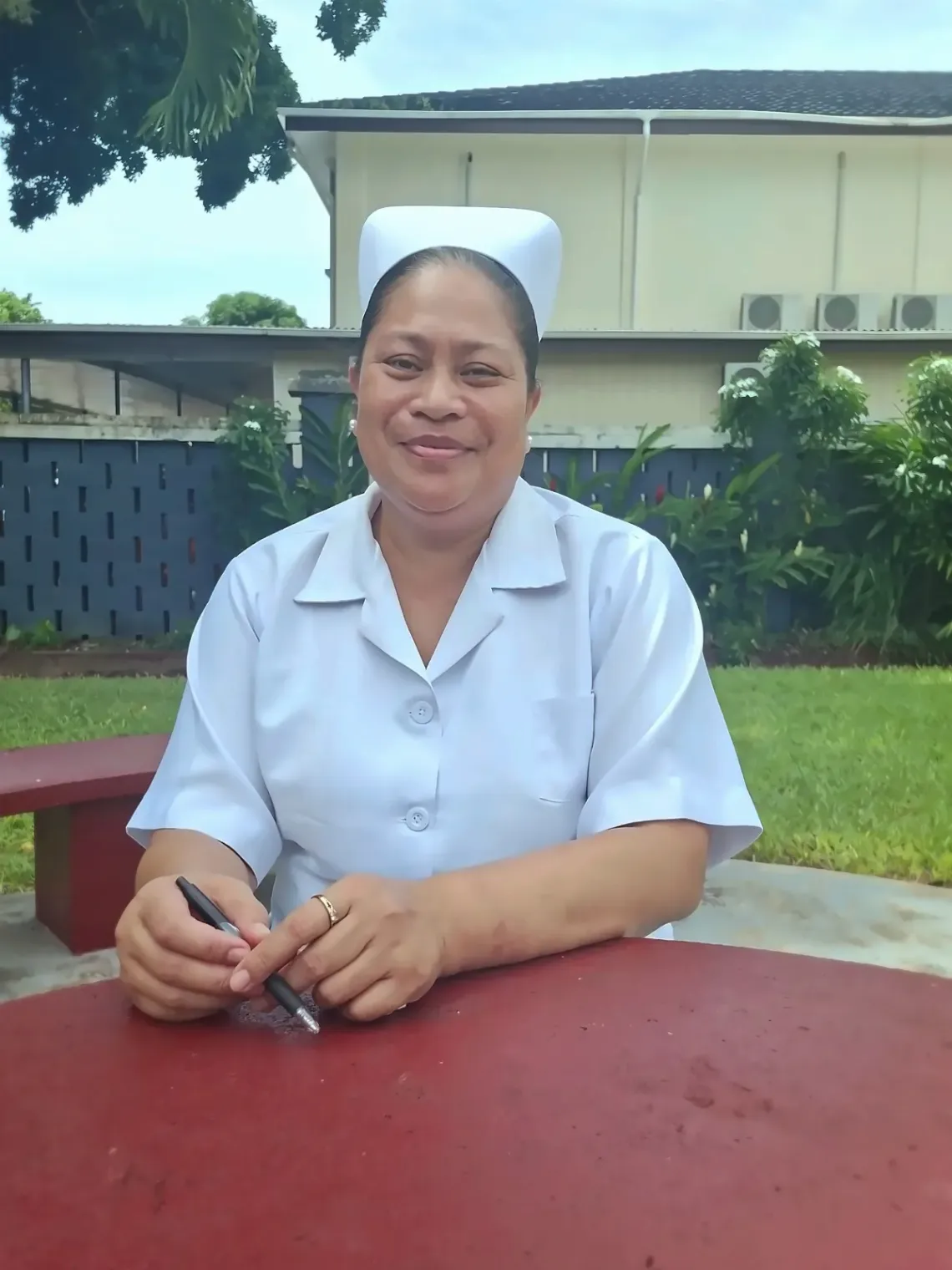
“I wish I’d taken the HPV vaccine sooner, now I’m fighting cervical cancer. I don’t want any Tongan girl to face what I’m facing.” – Sela Tuitupou, Vaiola Hospital, Tonga
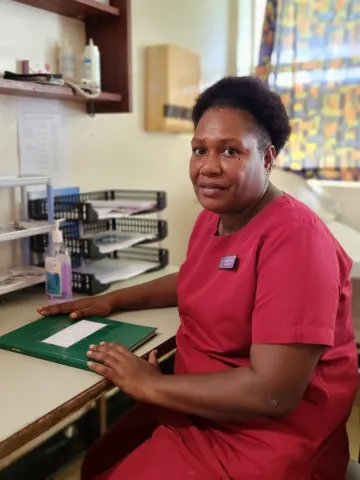
When Sela Tuitupou, a nurse with nearly twenty years of experience and a mother of three, was diagnosed with stage 1 cervical cancer in 2019, her life changed in an instant. At 37, she was no longer only a caregiver—she had become a patient, confronting a disease that remains a quiet but serious threat in Tonga.
Sela’s personal experience would later become central to a nationwide effort to increase HPV vaccination uptake. At a time when coverage remained low due to mistrust, misconceptions, and limited engagement, her story helped bridge the gap between health services and communities, contributing to a significant rise in vaccination across the country.
Her journey began with six months of treatment in India, far from her home, her children, and the community she had long served. The distance was not only geographical. Living through cancer revealed the full weight of the disease: fear, pain, and uncertainty about her children’s future. For someone who had counselled countless women on reproductive health, the experience was deeply personal.
When she returned home in early 2020, cancer-free, she faced a changed world, but also a renewed sense of purpose. By then, the HPV vaccine, which could have prevented her illness, was available in Tonga. Yet too many girls remained unprotected. By the end of 2023, only about 30 per cent of eligible girls across Tonga had been vaccinated, with coverage in Tongatapu closer to 20 per cent. The barriers ran deeper than logistics—mistrust following the COVID-19 pandemic, misconceptions about the vaccine’s effects, and a lack of personal connection to the messages being shared.
In response, UNICEF and the Ministry of Health introduced a more community-centred approach in September 2024. Nurses and doctors began going door to door across Tongatapu’s seventeen districts, listening to families, holding meetings in church halls late into the evening, and returning week after week to answer questions with empathy and facts.
Sela’s voice became central to these efforts. Wearing her blue nurse’s uniform, she spoke not just as a professional, but as a survivor, in a short film posted by the Ministry of Health in August 2025.
Her message resonated widely, reaching 76,000 views in a country of around 100,000 people. It sparked hundreds of comments and conversations across homes, churches, and online groups.
“Sela brought something to this programme that no training manual can produce. When a hesitant mother saw a reproductive health nurse who had lived through cervical cancer stand in front of her and say ‘vaccinate your daughter,’ that conversation ended differently. She was the most credible voice we had in the community, and the coverage numbers in 2025 are, in no small part, her contribution.” — Sister Afu Tei, Head of Reproductive Health, Ministry of Health, Tonga
Alongside her advocacy, vaccine champions—including health workers, educators, faith leaders, and community figures—actively engaged families. They shared accurate information, addressed concerns, and fostered positive social norms. Churches wove prevention messages into prayers, and radio programmes carried discussions across the islands. Gradually, misconceptions began to shift, supported by Sela’s testimony:
“I have a daughter. I vaccinated her. I would do it again without hesitation. Because I know what this disease does—not from a textbook, but from my own life.”
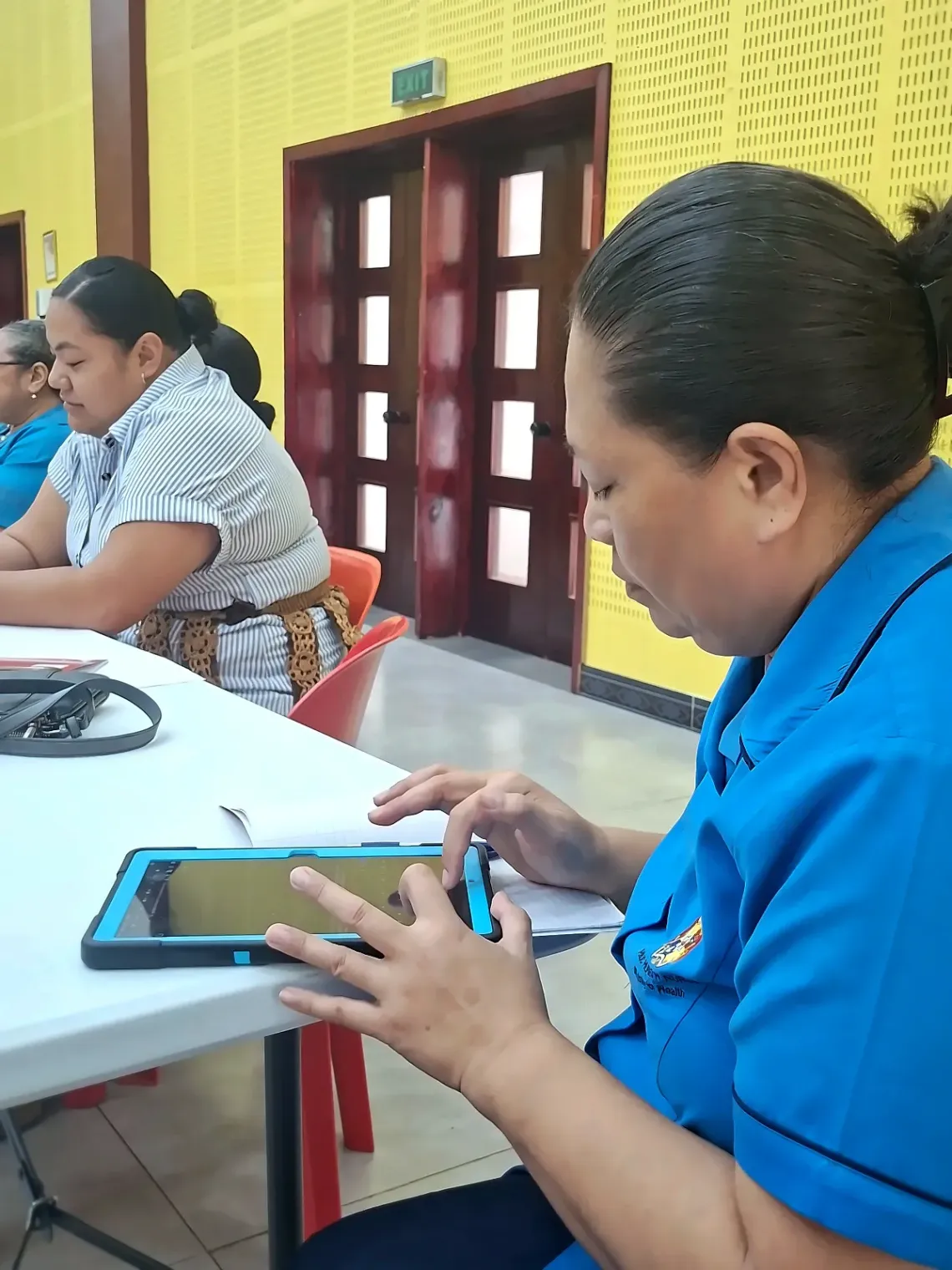
A Behavioural and Social Determinants study helped refine outreach strategies, reinforcing the importance of trusted voices and community engagement. The results quickly became clear. In Tongatapu, vaccinations rose from 28 girls in the first 6 months to 565 within the same year. By December 2025, three island groups—Vava'u, Ha'apai, and 'Eua—had surpassed the Ministry of Health’s 80 per cent target. National coverage reached 68 per cent, more than double the 2023 level, while Tongatapu rose to 52.7 per cent.
Today, Sela’s daughters, aged nineteen and twenty-three, are both vaccinated. Her message continues to resonate:
“I tell every mother I meet: I have daughters. I vaccinated them. And I would do it again without a moment’s thought. Because I have seen what this disease does. Not in a textbook. In a mirror.”
As Dr. Patelisio N Patelisio, Head of Health Promotion in Tonga, noted:
“Sela represents what community-centred health looks like at its best—a professional who used her lived experience to close the distance between the health system and the families we were trying to reach. Her role was central to what we achieved.”
Cervical cancer is preventable, and Tonga is now closer to reaching its 80 per cent vaccination target. While the work continues, the shift is clear: trust has become the vaccine’s most powerful ally, and Sela’s second chance is helping protect a generation.