

Child Rights Monitoring
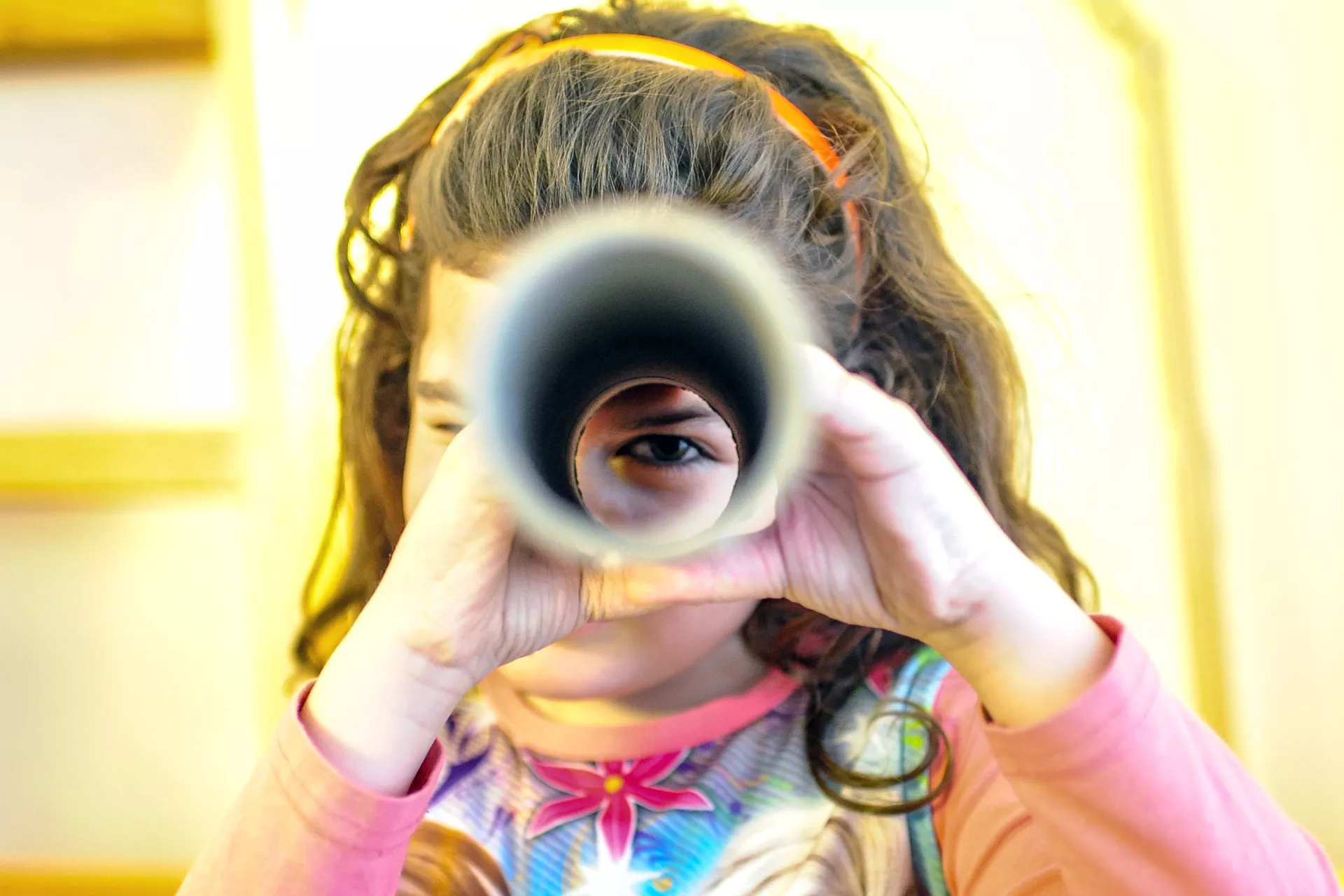
Every child counts, but only if they are counted.
- English
- Македонски
Data is more than numbers - it is the foundation for understanding children’s lives, identifying who is being left behind, and ensuring that every child’s rights are respected, protected and fulfilled.
In North Macedonia, progress for children is evident. However, without strong systems to track it and identify remaining gaps, many children risk remaining invisible.
The challenge
When children are left behind - because of where they live, who they are, or the circumstances they are born into - the consequences can last a lifetime.
To respond effectively, policies must be grounded in evidence. Yet despite improvements, data on children in North Macedonia remains fragmented, incomplete and often underused in decision-making.
Important information exists across sectors - education, health, social protection and justice systems - but is not consistently connected, accessible or used to inform policies and investments. This can lead to decisions that miss the real needs of children, and resources that do not reach those who need them most.
Some of the most vulnerable children remain the least visible. Data gaps - particularly for children with disabilities, Roma children and those living in poverty - limit understanding and weaken response.
When problems are not measured, they remain unnoticed - and children who are not visible in data risk being excluded from policies, services and protection systems.
At the same time, the growing complexity of children’s lives - from digital risks to environmental challenges - requires stronger, more integrated data systems that can capture emerging realities and inform timely responses.
Without stronger monitoring systems, it becomes difficult to: track progress, identify inequalities, and hold systems accountable for delivering results for children.
In this context, improving how data is generated, shared and used is no longer optional - it is essential.
The solution
Strengthening child rights monitoring means building systems that make every child visible and ensure decisions are evidence-based.
UNICEF works with partners to support strong, integrated and child-sensitive data systems that drive better policies, better investments and better outcomes for children.
This begins with improving the availability and quality of data, including strengthening national statistical systems, expanding the use of administrative data, and ensuring information is reliable, comparable and up to date.
Equally important is making data more inclusive. By improving data disaggregation - by age, gender, location, disability and socio-economic status - systems can better identify disparities and ensure that the most vulnerable children are not overlooked.
UNICEF also supports stronger coordination across institutions. Bringing together data from different sectors helps build a more complete picture of children’s lives and enables more coordinated responses.
At the same time, there is a strong focus on the use — not just production — of data. Strengthening the capacity of institutions to analyse, interpret and apply data ensures that evidence informs policies, programmes and budgets.
Monitoring systems are also aligned with global frameworks, including the Sustainable Development Goals (SDGs) and the Convention on the Rights of the Child, ensuring that progress for children is tracked consistently and transparently.
Finally, UNICEF supports making data more accessible - through dashboards, publications and public platforms - so that policymakers, partners and communities can engage with evidence and use it to drive change.
Making every child count
When data systems work, children become visible.
Their needs are understood. Their rights are recognized. And systems are held accountable to deliver for them.
By strengthening child rights monitoring, North Macedonia can ensure that: no child remains invisible, inequalities are identified and addressed, and progress for children is measurable and sustained.
Because what gets measured gets changed, and every child deserves to be counted.