

Frequently Asked Questions on Immunization
Your top questions about immunization answered
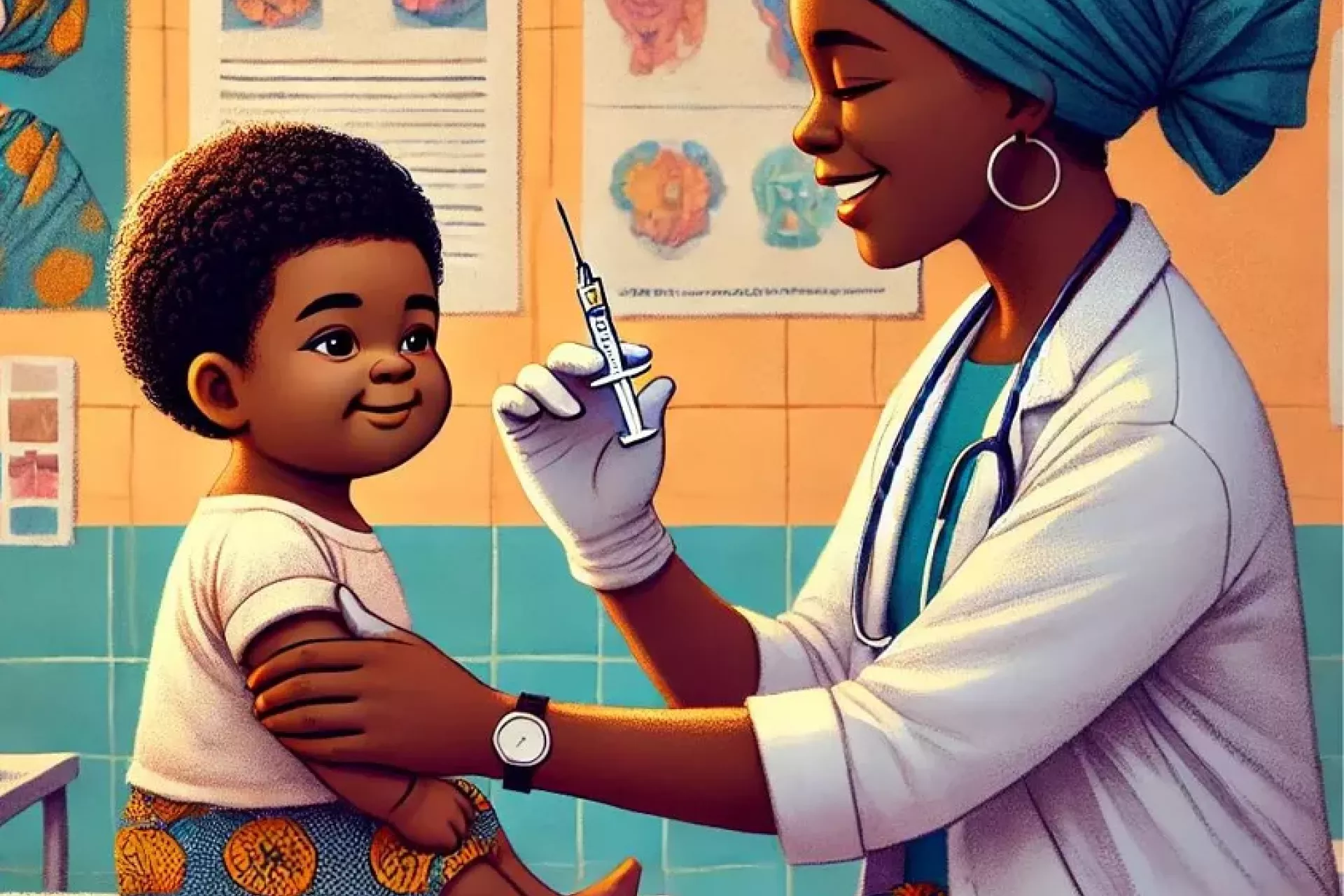
Got questions? We have answers. Our FAQ addresses common concerns and misconceptions about vaccines.
Immunization protects children from preventable diseases such as measles, polio, tuberculosis, and hepatitis. Vaccines help to build immunity and prevent the spread of these diseases within the community, ensuring children grow up healthy and strong.
Yes, vaccines are safe and undergo rigorous testing before they are approved for use. In Nigeria, vaccines are monitored by health authorities, including the National Primary Health Care Development Agency (NPHCDA) and the World Health Organization (WHO), to ensure their safety and effectiveness.
Common side effects of vaccines are usually mild and temporary, including fever, soreness at the injection site, and slight fatigue. These side effects typically resolve on their own within a few days. Serious side effects are extremely rare.
The Nigerian immunization schedule includes vaccines for tuberculosis (BCG), polio (OPV and IPV), hepatitis B, diphtheria, tetanus, pertussis (DPT), measles, yellow fever, and pneumococcal diseases, among others.
Vaccines are administered according to a specific schedule based on the child's age. The immunization schedule starts at birth and continues through childhood. It's important to follow the schedule to ensure your child is protected at the right time. You can find the detailed schedule at your local health clinic or on the NPHCDA website.
Minor illnesses, such as a cold or low-grade fever, usually do not prevent vaccination. However, if your child is experiencing moderate to severe illness, it's best to consult your healthcare provider to determine the appropriate time for vaccination.
If your child misses a vaccine dose, contact your healthcare provider or visit your nearest health clinic as soon as possible. They will advise you on how to catch up on the missed doses to ensure your child remains protected.
Yes, immunization is free at government health facilities across Nigeria. UNICEF, in collaboration with the Nigerian government and other partners, provides vaccines at no cost to ensure all children have access to life-saving immunizations.
No, vaccines do not cause the diseases they are designed to prevent. Vaccines contain weakened or inactivated parts of the germ that causes the disease, which stimulates the immune system to build protection without causing the illness.
Immunization services are available at public health centers, clinics, and hospitals across Nigeria. You can also participate in national immunization days and outreach programs conducted by health authorities to ensure widespread vaccine coverage.
Immunization services are available at public health centers, clinics, and hospitals across Nigeria. You can also participate in national immunization days and outreach programs conducted by health authorities to ensure widespread vaccine coverage.