

Frequently Asked Questions about the HPV Vaccine
Answers to the most asked questions about the HPV vaccine
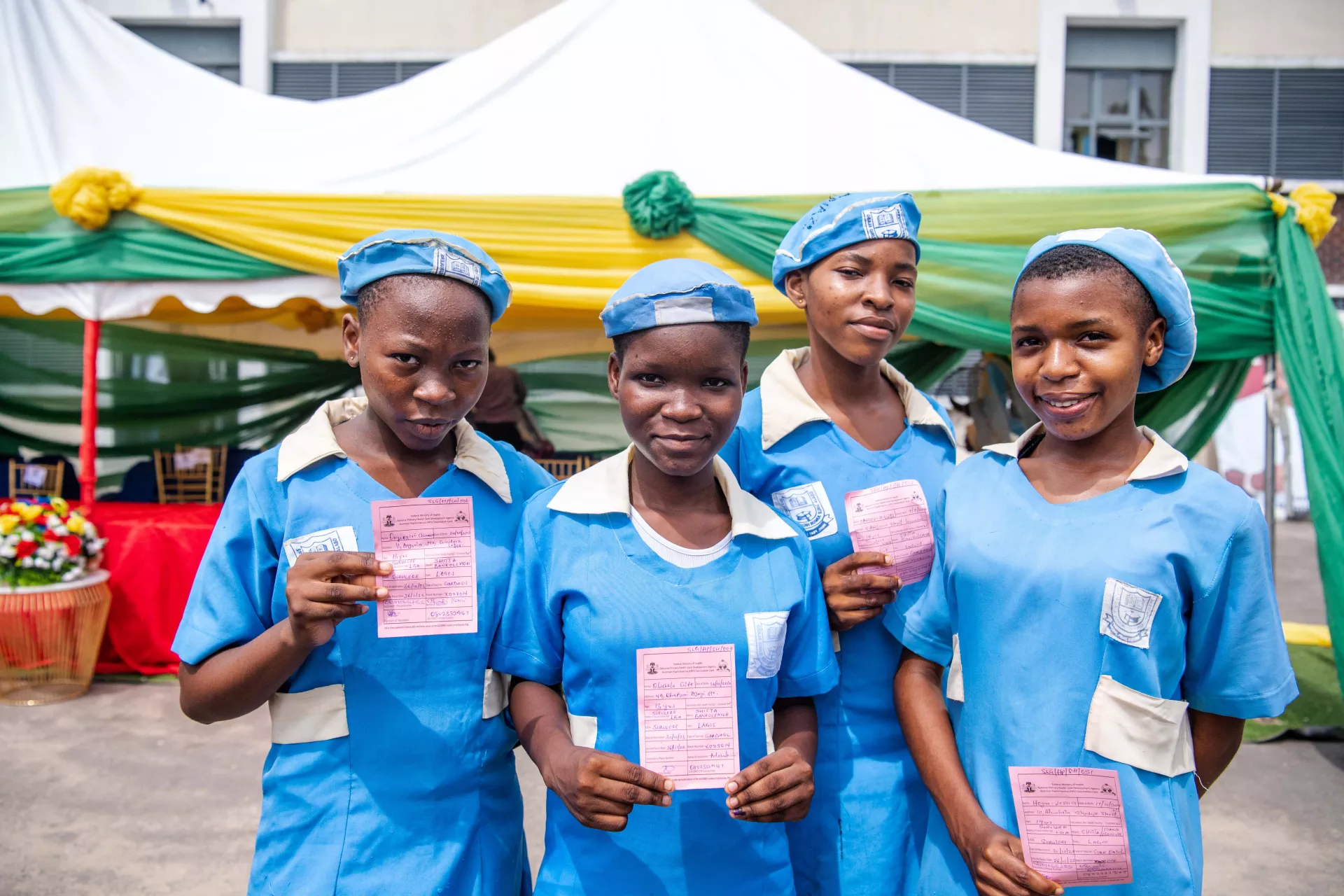
The HPV vaccine is a safe and effective way to protect against HPV infection and HPV-related cancers. By understanding the facts about vaccinating your children, you contribute to a healthier future for the next generation.
If you have more questions or concerns about the HPV vaccine, talk to your doctor.
Frequently Asked Questions
The HPV vaccine is recommended for girls aged 9-14. Catch-up vaccination is available for girls and young women up to age 26 who were not previously vaccinated.
Like all vaccines, the HPV vaccine can have side effects, but they are usually mild, such as soreness at the injection site, fever, or dizziness. Severe side effects are extremely rare.
Yes, the HPV vaccine is highly effective in preventing the most common cancer-causing HPV strains. It provides long-lasting protection.
It is best to consult with your healthcare provider, but the vaccine is most effective when administered before sexual activity begins, which is why it is recommended for girls aged 9-14.
The HPV vaccine is free for girls aged 9-14 years old in Nigeria. It is available at all government health facilities.
The HPV vaccine is given in a single dose.
Yes, the HPV vaccine is safe for girls with HIV. In fact, it is especially important for girls with HIV to get the HPV vaccine, because they are at higher risk of developing HPV-related cancers.
Yes, you can still get the HPV vaccine even if you are already sexually active. The vaccine will not protect you from HPV infections that you already have, but it can still protect you from future infections.