Gender-related Barriers to Immunization: Zero-dose Children
in Egypt, Iraq, Sudan, Syria and Yemen
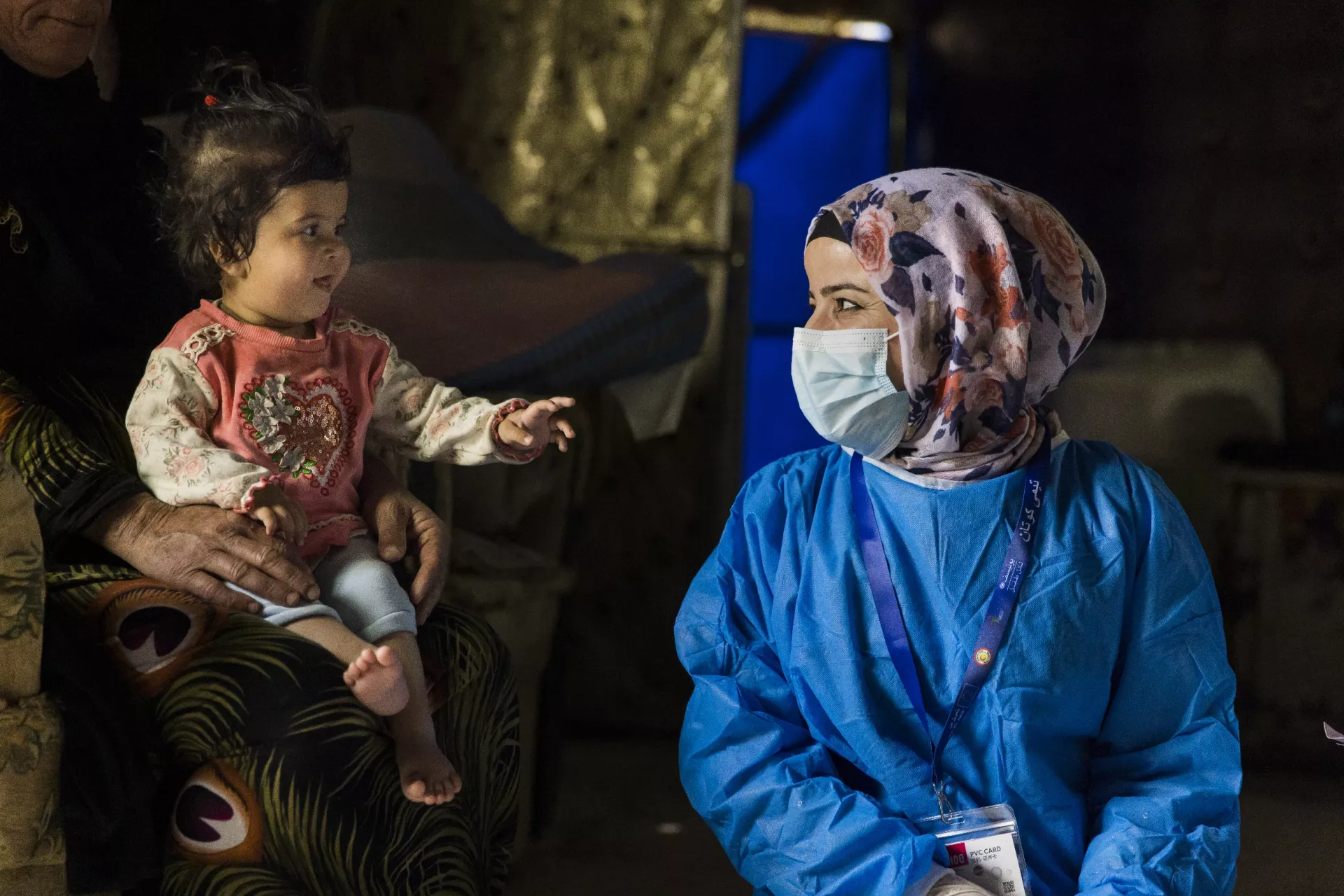
Highlights
A total of 25 million children were un-or under-vaccinated in 2021 and the number of children missing out on any vaccination, or “zero-dose children”, increased by 5 million in 2021 compared with 2019, rising from 13 to an estimated 18 million. Almost half of all zero-dose children live in three key geographic contexts: urban areas, remote communities and populations in conflict settings. Communities with zero-dose children face multiple deprivations, including high levels of poverty, lack of access to quality healthcare, nutrition, clean water, sanitation and other basic services, high levels of illiteracy and pervasive gender inequality.
Gender norms, roles and relations affect people’s access to health services, health-related information and their health-seeking behaviours, including for immunization. This report explores gender-related barriers to immunization in Egypt, Iraq, Sudan, Syria and Yemen, with a focus on zero-dose and under-immunized children. Promising and innovative practices from these five countries to overcome gender-related barriers to immunization are highlighted, along with recommended approaches and entry points for addressing these demand and supply-side barriers at the individual, household, community, social and institutional levels in order to increase immunization reach and coverage.
The report draws on a desk review of existing literature related to gender and immunization in the UNICEF MENARO region as well a gender and zero-dose questionnaire completed by UNICEF Country Offices, complemented by interviews with key informants. Representing Phase I of UNICEF MENARO’s efforts to identify and address gender-related barriers to immunization, this report provides a snapshot overview of some of the challenges and barriers in zero-dose communities, with a recommendation to conduct in-depth research at the community level through interviews and focus group discussions with caregivers and service providers during the second phase.
Zero-dose children are geographically dispersed within each of the five countries, with each area facing specific vulnerabilities and challenges related to conflict, insecurity, poverty, lack of basic health infrastructure and displacement, characterized by entrenched gender inequality. Marginalized communities such as nomadic populations, internally displaced persons (IDPs), ethnic minorities and persons living with disabilities face compounded discrimination and disadvantage. Gender-related barriers to immunization are therefore manifested in several ways on different levels, ranging from women’s restricted mobility, lack of access to transportation, money, time, information and other critical resources, the prevalence of gender-based violence as well as women’s limited agency in household decision-making dynamics to men’s low engagement and participation in children’s health and caretaking. The lack of gender-responsive health systems create additional barriers on the institutional level for the health workforce and caregivers.
This report is divided into five main sections for the MENA countries included in this review, with each country section further divided into the following sub-sections: gender roles and responsibilities; access to and control over resources; beliefs, norms and perceptions; needs, preferences and challenges; enabling factors and partnerships, with recommended approaches and entry points for addressing gender-related barriers outlined at the end of each section. The report concludes with summary recommendations for addressing gender-related barriers to immunization at the individual and household level, community and social level as well as at the institutional and structural level.