At least 64 children killed and 64 injured in Yemen as intensified hostilities approach three-month mark
Escalating violence is cutting children off from health care, safe water and hygiene, food and learning, while Taiz City is increasingly isolated
- English
- العربية
NEW YORK, 18 November 2026 – At least 64 children have been killed and 64 injured in Yemen since hostilities escalated on 3 September. The number of casualties is likely to increase as renewed fighting continues around densely populated areas, particularly in Taiz and Lahj.
“The rising number of children killed and injured in Yemen is devastating. It must stop,” said UNICEF Executive Director, Catherine Russell. “Behind every number is a child whose life has been cut short or changed forever.”
Basic services and infrastructure children depend on are also being directly impacted. At least seven schools and 28 health facilities, including five supported by UNICEF, have been damaged since the escalation began. On 2 November, an attack on the UNICEF-supported Al-Suqyah Health Centre in Lahj, which serves around 1,700 people, was reported to have killed five people, including three health workers.
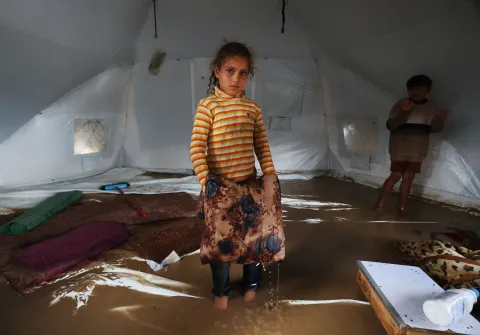
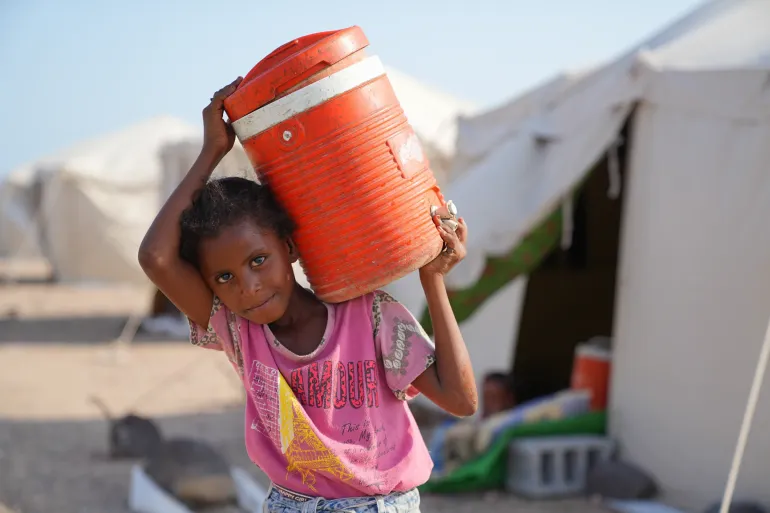
At the same time, displacement is accelerating. More than 330,000 people, including an estimated 174,000 children, have been displaced since the beginning of the renewed military escalations. Many displaced families are sheltering in unfinished or damaged buildings and struggling to access food, safe water, and health care.
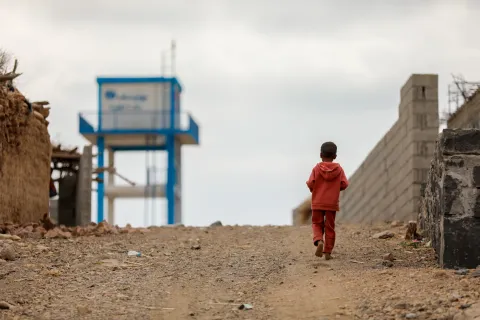
The situation in Taiz City is particularly alarming. With the main road from Aden closed and alternative routes insecure, more than 800,000 people have reportedly been cut off from humanitarian assistance as of late October. Water production has fallen by nearly 50 per cent, food and fuel prices have more than doubled, and shortages of medicines, fuel, medical oxygen and electricity are threatening emergency, maternal, and newborn care.
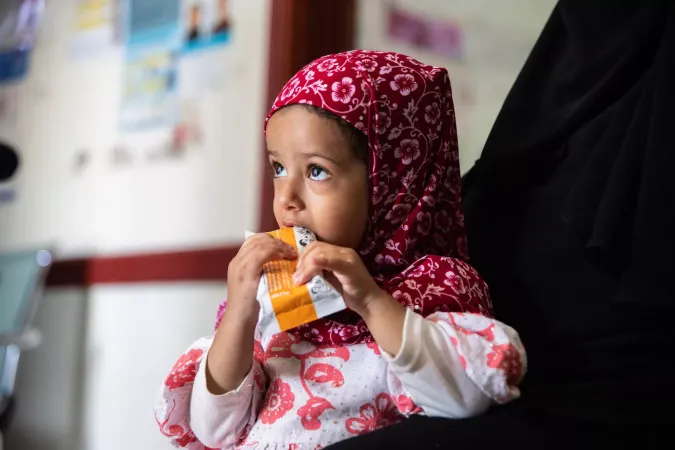
Across escalation-impacted areas, over 1,160 schools have closed or suspended learning, affecting more than half a million students. Meanwhile, around one in three children recently screened by UNICEF mobile health teams were found to be acutely malnourished. Overcrowded displacement sites, too few latrines, and limited access to safe water are also increasing the risk of disease.
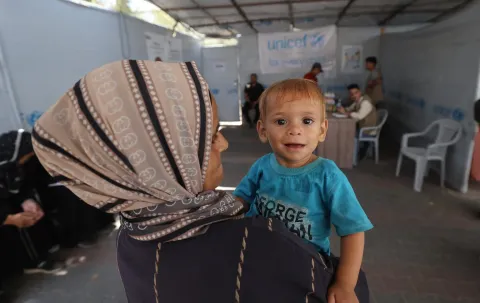
UNICEF is expanding its emergency response to reach up to 560,000 people, redeploying health and nutrition mobile teams to displacement sites and affected communities in Aden, Lahj, Abyan, Marib and Taiz, scaling up emergency water and sanitation support, and providing psychosocial care and case management for children, including those who are unaccompanied or separated from their families.
“Yemen’s children have suffered so much. We urgently need safe and unimpeded humanitarian access,” said Russell. “All parties must comply with their obligations under international law. Children must be protected, including their access to essential services such as healthcare, education, safe water, and food.”
####
Media contacts
Additional resources
About UNICEF
UNICEF promotes the rights and wellbeing of every child, in everything we do. Together with our partners, we work in 190 countries and territories to translate that commitment into practical action, focusing special effort on reaching the most vulnerable and excluded children, to the benefit of all children, everywhere.
For more information about UNICEF and its work for children, visit www.unicef.org/mena
Follow UNICEF on Twitter Facebook Instagram LinkedIn Youtube