Four ways UNICEF helps fight child malnutrition
On World Food Day and beyond

- English
- العربية
Wars, displacement, conflicts and economic crises have pushed millions of children closer to the brink over the past few years. Every day, more children are hanging by a thread.
These overlapping crises have put millions of children at greater risk of malnutrition. Families are being forced from their homes, nutritious food is becoming harder to access and afford, health services are disrupted, and restrictions on humanitarian access are intensifying. For children already living in vulnerable conditions, these challenges can quickly turn into a life-threatening nutrition crisis.
But UNICEF teams will not give up.
As a global leader in child protection and nutrition, UNICEF works around the world to prevent, detect and treat malnutrition, including in some of the world’s most challenging emergencies.
Here are four ways UNICEF is fighting child malnutrition this World Food Day and beyond.
1. Preventing malnutrition before it becomes life-threatening
Fighting malnutrition is not only about treating children once they become severely malnourished. Prevention is just as important.
UNICEF works with governments and partners to help children access the essential nutrients they need to grow and develop. This includes supporting breastfeeding mothers, appropriate complementary feeding and the use of micronutrient supplements and fortified products where needed.
In communities facing food insecurity and humanitarian crises, these interventions can help prevent children from slipping into severe malnutrition in the first place, because protecting a child's nutrition early can help protect their entire future.
2. Detecting malnutrition early and bringing treatment closer
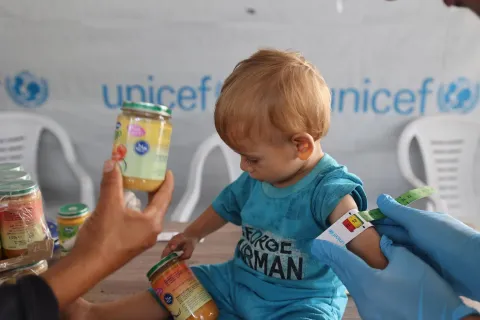
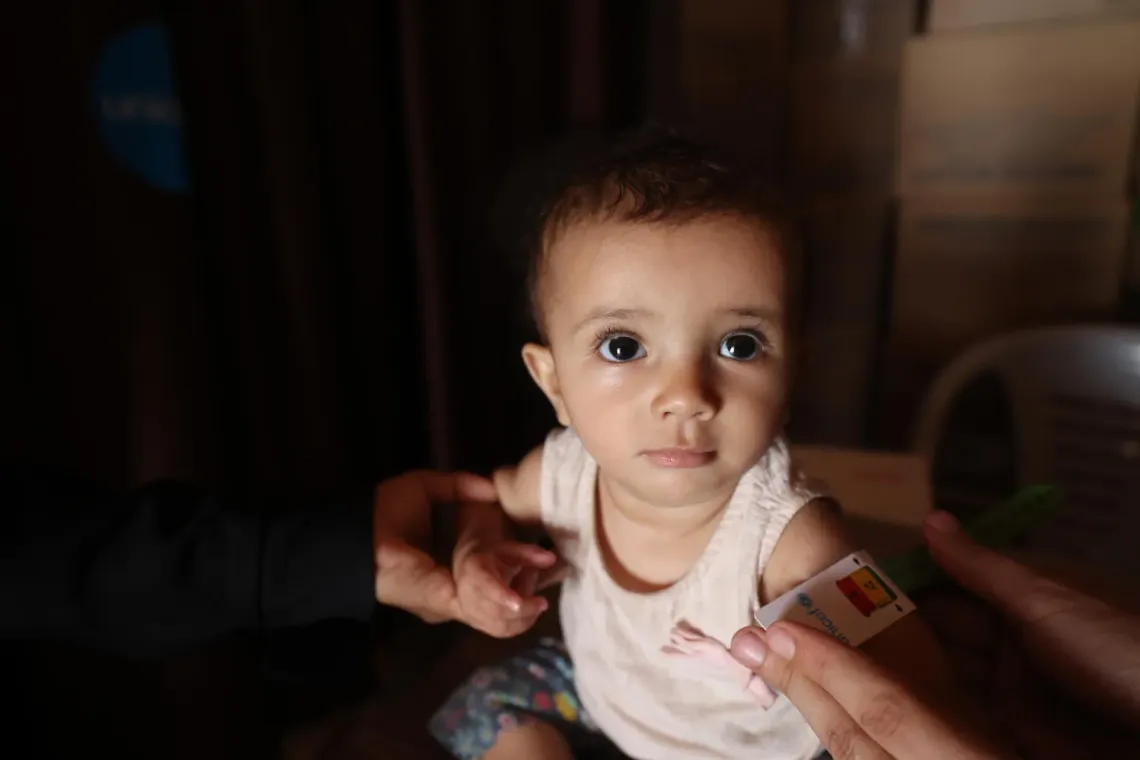
Malnutrition can become dangerous quickly. Early detection can make all the difference. That’s why UNICEF supports health workers and community programmes to identify children who are malnourished and connect them with treatment as early as possible. Simple tools such as mid-upper arm circumference (MUAC), tapes can help health workers and community volunteers identify children at risk.
For many children with severe acute malnutrition and no medical complications, treatment can take place at home using RUTF, with health workers monitoring their progress through community-based services.
3. Providing life-saving food to treat malnourished children
For a severely malnourished child, the right food can mean the difference between life and death. UNICEF procures more than 80 per cent of the world’s ready-to-use therapeutic food (RUTF). This lifesaving, nutrient-rich food is specially formulated to treat children suffering from severe acute malnutrition.
RUTF comes in small, ready-to-use sachets. It does not require cooking, refrigeration or added water, making it particularly important in emergencies where access to electricity, clean water and cooking facilities are often limited. For children facing severe malnutrition, this food can be a lifeline.
4. Keeping nutrition services going during crises
When conflict or disaster strikes, essential services can rapidly collapse. Nutrition services are no exception. UNICEF works to keep critical nutrition supplies moving, strengthen supply chains and support health workers and community-based services so children can continue receiving the care they need, even during emergencies. This is crucial in places where conflict, displacement and restricted humanitarian access make reaching children incredibly difficult.
This World Food Day, every child deserves a chance to grow
Malnutrition is preventable and treatable. With the right support, children can survive, recover and thrive. But reaching every child requires continued investment, strong nutrition systems and sustained humanitarian action.
This World Food Day, we are reminded that food is more than a meal. For a child, nutritious food can mean survival, recovery, growth and the opportunity to build a healthy future.