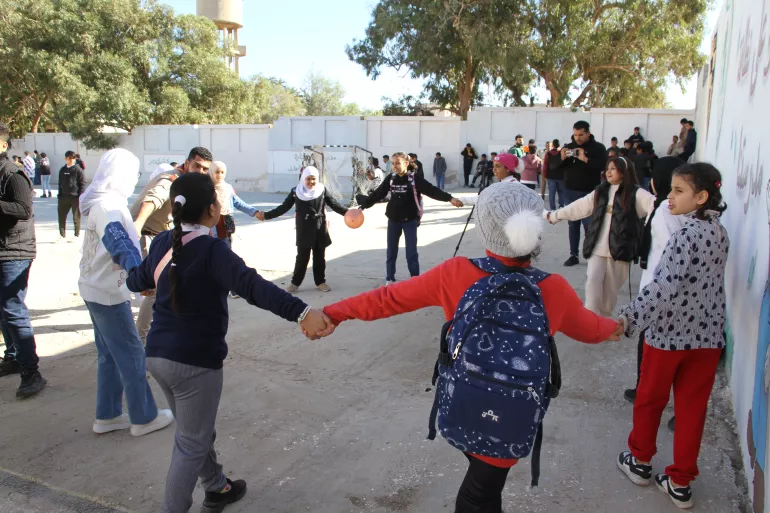
As global challenges such as persistent crises and rising inequalities reshape our world, the role of education becomes more pivotal. Modern education is extending beyond the transmission of knowledge to include the development of cognitive skills, resilience, empathy and critical thinking. Balancing academic achievements with life skills development is crucial for nurturing resilient citizens who are equipped to navigate rapid changes and complex challenges.
The importance of life skills
Possessing life skills – a range of abilities, attitudes and socio-emotional competencies – can help individuals make informed decisions, lead productive lives and deal with everyday challenges. According to UNICEF’s Life Skills and Citizenship Education (LSCE) framework, twelve core life skills, including critical thinking and conflict resolution, are essential for personal growth and active citizenship.
Integrating these skills into educational curricula is an effective way to support the development of well-rounded individuals. This approach enhances students' resilience and adaptability. It also boosts academic performance and promotes social, emotional and physical well-being. By equipping young people with these essential skills, education systems can prepare them to tackle immediate and future challenges with confidence and creativity.
The challenge
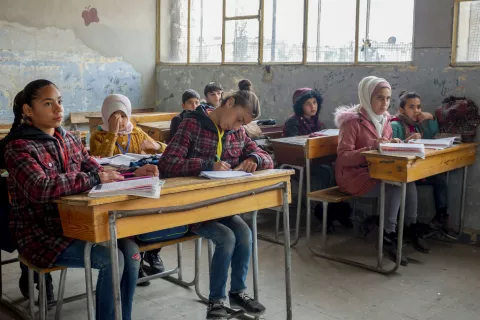
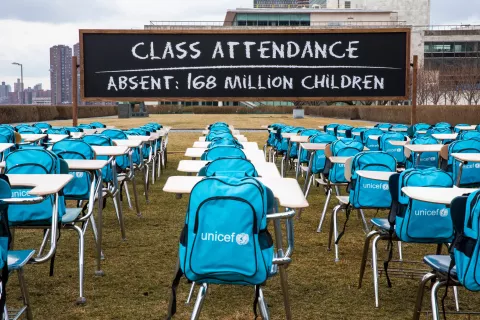
The MENA region is at an educational crossroads. Access to education across the region has improved. However, many children – especially girls, refugees and those with disabilities – still face barriers to entering, learning and continuation their education. High unemployment, gender inequality, conflict and environmental crises marginalise many students, and the COVID-19 pandemic has increased disparities. There is an urgent need for adaptable educational systems that support vulnerable populations.
Educators in the MENA region often rely on traditional teaching methods. These approaches can limit student engagement and the development of essential skills like empathy, collaboration and conflict resolution. Teachers often face heavy workloads and lack sufficient support. Conventional assessments do not effectively measure life skills. Cultural barriers, poor digital infrastructure and limited resources can impede the implementation of life skills education.
In response, UNICEF has developed a series of five Thematic Insight Pieces which use the LSCE framework and insights from the MENA region to outline the potential impact of life skills education in empowering young people and the communities within which they live. These Insight Pieces have been developed for civil society organisations, government bodies, development agencies and humanitarian actors sharing a common goal: harnessing education to promote greater equality and build more resilient communities in the face of crises. The can be found here.
Five strategies for change
The Insight Pieces identify five strategies that can help drive the integration and effectiveness of life skills education in the MENA region:
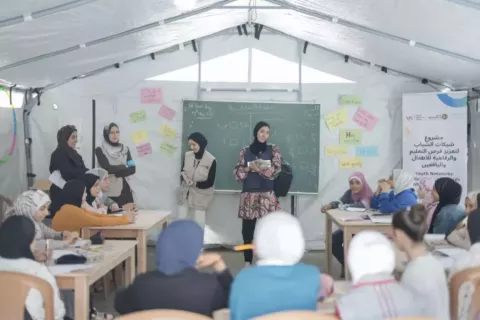
- Promote community leadership and engagement: Collaboration among local leaders, educators and children and young people ensures that programmes are relevant and adaptable to community needs. Community-based interventions, especially through non-formal education, can address the unique challenges faced by marginalised groups and enhance social cohesion.
- Integrate life skills in education through a systems approach: Embedding life skills and related topics, such as social justice and gender equity, into formal and non-formal curricula creates a comprehensive and unified approach to education. A whole-school approach is essential for creating a culture that values life skills. School leaders play a pivotal role in providing the support and resources that foster an environment where teachers and students can thrive.
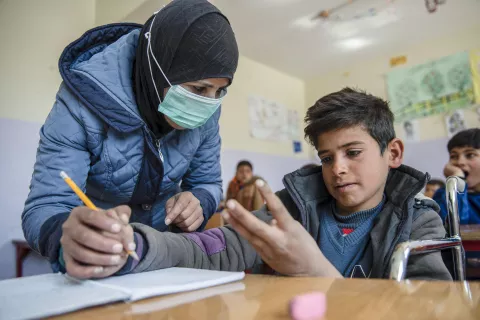
- Support and empower educators: Enhancing teachers capacities and providing resources embedding life skills helps them create supportive learning environment where diverse cultural backgrounds and experiences are respected and nurtured. Some MENA countries are pioneering nationwide teacher training programmes and curriculum reforms that seamlessly integrate life skills into national education systems. These initiatives emphasise research-based strategies and collaborative teaching practices, such as role-playing, group work and community engagement, actively involving students in their learning journey.
- Foster partnerships and collaborative efforts: Government bodies and donors should strengthen alliances with local organisations, businesses and NGOs. This supports the development of comprehensive programmes that leverage community knowledge and inputs. Collaborating with researchers also ensures that curriculum development and assessment strategies are evidence-based, enhancing the quality and impact of education. Additionally, partnerships with civil society organisations and the private sector are crucial in offering diverse resources and ensuring that life skills programmes are culturally relevant and impactful.
- Ensure inclusion and address diverse needs: Life skills programmes should be relevant and sensitive to the challenges faced by marginalised populations, including girls, displaced children and youth, and people with disabilities. Learning environments should be safe and supportive, promoting emotional well-being and resilience, and providing equal opportunities for children and young people to participate and lead. Community-driven programmes have demonstrated significant benefits, including improved educational outcomes, greater gender equality and increased inclusion. By hearing children and young peoples’ voices during decision-making processes and supporting teachers and community leaders, these programmes meet local needs and amplify diverse voices.
By embracing these strategies, the MENA region can harness the transformative power of life skills integration into education to drive meaningful and lasting change. Integrating life skills into both formal and non-formal education systems, and using multiple pathways of delivery is vital for nurturing a generation capable of tackling challenges, promoting social cohesion and achieving sustainable growth. This holistic approach ensures that education systems are not only responsive to current crises but also proactive in preparing resilient and adaptable citizens for the future. Embracing the five catalysts for change and committing to specific actions will ensure a brighter, more equitable future for all in the MENA region.