

Young People Taking Charge
Introducing UNICEF's Young Persons' Advisory Group
Introduction
Meaningful participation involves much more than consulting with children, as it requires a commitment to recognise them as experts on their own lives, redress the power imbalances, challenge traditional assumptions on adult/child relationships, as well as improve the skills and competencies needed to help children participate in decision-making processes related to their life and in accordance to their evolving capacities.
As such, UNICEF’s Young Persons’ Advisory Group (YPAG) is a UNICEF initiative designed to promote and strengthen the meaningful participation of young people in decision-making processes. Rooted in the principles of the United Nations Convention on the Rights of the Child, YPAG empowers young people to be active contributors to their communities.
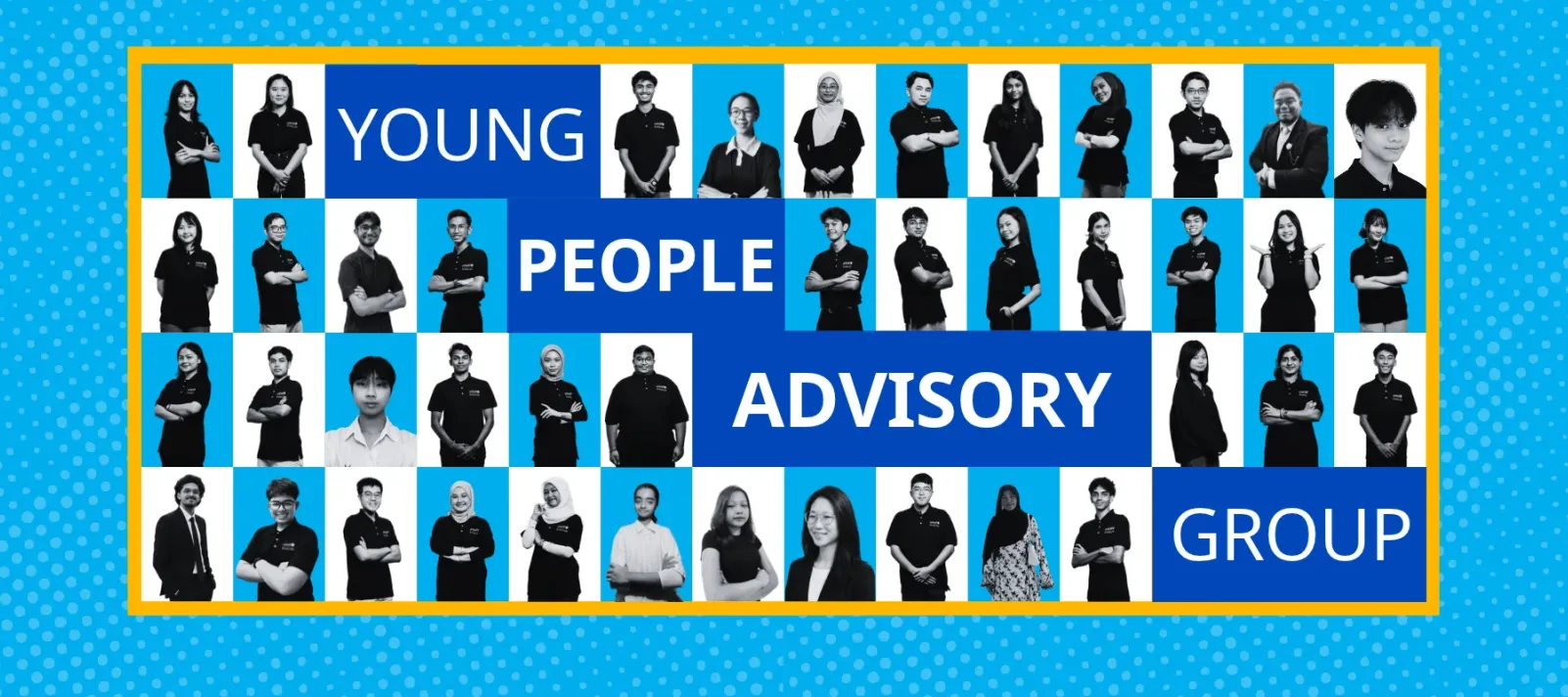
Meet the 42 young people with diverse backgrounds and interests ranging from civic participation, child rights, education, climate and so much more. Follow them on this journey as they use the platform to express their views, influence policies and engage in advocacy on issues affecting their lives.
Meet the YPAGs!
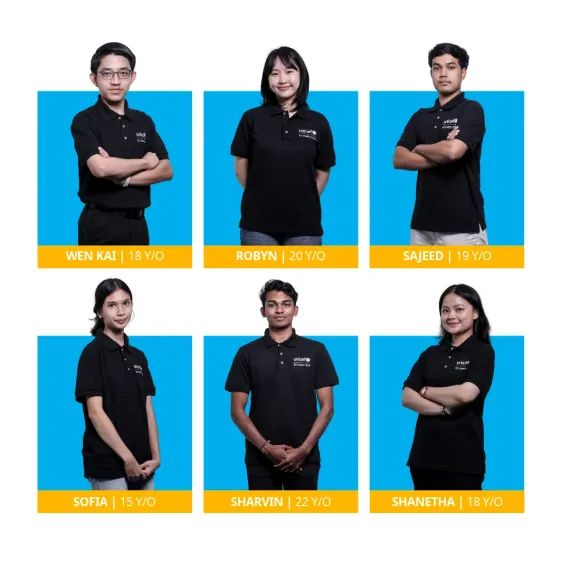
Wen Kai: Being part of YPAG means more to me than a personal recognition. It is an acknowledgement of every young person whose voice has gone unheard, whose struggles remain unseen, and whose sacrifices are too often overlooked. It sends a message to the community that young people’s voices are equally important in shaping our nation.
Robyn: It is imperative that young people have a meaningful seat at the table through YPAG. As digitalization becomes increasingly intertwined with our everyday lives, young people must be actively engaged and empowered with the dignity and agency to shape decisions that intrinsically affect their futures.
Sajeed: Being part of YPAG means a lot to me. When I first came to Malaysia as a young child, I missed out on many basic things like education, safe shelter, good food, and warm clothes. Coming here at a young age showed me how hard it is for migrant children who feel left behind or lonely without family support.
Sofia: I think it’s important to gather different perspectives before making heavy decisions especially from those who are directly affected because things aren’t always black and white, sometimes a grey area exists and when that happens we have to find a way to compromise or prioritise based on vulnerability.
Sharvin: Being part of YPAG means having the opportunity to turn young people’s voices into meaningful action. Coming from a background where I have been involved in youth leadership, community engagement and policy advocacy, I have learned that young people are not merely beneficiaries of decisions; we can also be contributors, partners and changemakers.
Shanetha: “How different would things be if I were born in her shoes?” This question has lingered in the back of my mind for as long as I can remember. It is easy to be in awe of talented children featured on social media or news channels, but what about the undiscovered talents hidden in refugee camps, factories, or those trapped in marriages they did not choose? It is bewildering how deeply the actions and decisions of adults can affect young people's opportunities to grow and reach their potential. This realisation has become my driving force to be an echo for the voiceless and the unseen. Through YPAG, I want to carry their voices into every room I enter and ensure that their worlds are no longer defined by the limitations imposed upon them.
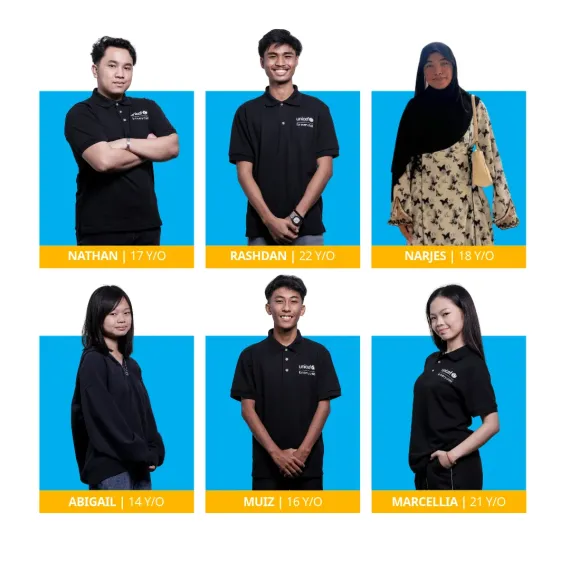
Nathan: To put it quite frankly, without YPAG, most decisions would be made without taking children into consideration. As blunt as it might sound, it’s true. Without UNICEF setting up youth advocacy groups like YPAG, we, the children, wouldn’t be able to give adults insight into how we are affected, with input from youth who know what young people need. This can help adults make better decisions that give young people a better life as they grow up.
Rashdan: For me, being a YPAG member means more than just joining an organisation where youth and children are involved in decision-making. Instead it goes beyond that. Being a YPAG member means being able to represent my side of the story.
Narjes: Being part of YPAG means having the opportunity to make young people’s voices heard and to contribute to meaningful change. I believe young people should have a seat at the table because decisions made today will shape our future, and our experiences and perspectives deserve to be heard.
Abigail: As a student going through the Malaysian education system. I was starting to lose hope. Cases after cases of bullying, sexual assault, femicide so on and so forth. The worst part is, my own school isn’t shy from these sexual assault cases. As someone who has witnessed SA and the downhill spiral that happened after it. In a place where I was supposed to be ‘safe’.
Now imagine if the perpetrator was your classmate and little was done to punish him. You and your classmates would obviously freak out. everyone is scared, paranoid and nobody knows what to do. I mean, the teachers didn’t inform anything to your class, no counselling was provided and you just had to go back to school like it was another normal day. So, your classmates did what felt the most logical. Reporting every disturbing behaviour, documenting everything he does and they were actively silenced.
You’ll start loosing hope, start getting used to the paranoia, people start will getting used to hearing of that ‘sexual assault case’ and your classmates will start getting used to being uncomfortable.
Muiz: Sebagai remaja dari luar bandar, kami kurang mendapat pendedahan mengenai program advokasi dan aktiviti belia. Maklumat sebegini jarang sampai ke kawasan kami kerana lebih diberi tumpuan kepada sekolah yang berprestasi ataupun sekolah yang berada di bandar sehinggakan kami terpaksa mencari tahu sendiri.
Marcellia: Being part of YPAG means having the opportunity to learn, grow, and be part of something meaningful. Through my volunteering experiences, I have learned that even small acts of kindness can make a difference in someone's life. These experiences have inspired me to continue helping others and understanding the challenges faced by different communities.

Gurjit: I believe young people deserve a seat at the table not just because we are the leaders of tomorrow, but because we are already living with the consequences of decisions made today. Whether in health, education, or climate action, young people have experiences and perspectives that deserve to be heard and understood.
Lydia: I believe it’s important for young people to have a seat at the table through YPAG because society underestimates us too often. We are often viewed as incapable and inexperienced. But through YPAG, young people get to show that we are so much more than just youngsters. We have the ideas, solutions, and great minds.
Dzul: To me it brings up new opportunity to learn new knowledge about YPAG knowing that I've been wanting to join it but at the same time I could learn on how to improve my confidence, leadership and also meet new people from different race and background in YPAG. I also could learn on how the policies actually work and how to improve it for the future of young people.
Kian H'ng: The 12 years old Kian H’ng could never imagine that 10 years later, he’ll be joining UNICEF YPAG and contribute to children’s rights advocacy, pushing for better education and social policies that he wished he get to experience 10 years ago! Being part of YPAG is not just another commitment, but for me, an opportunity to bring the voice of children to the table and to foster an inclusive environment for every child to feel safe to share their ideas on things that affect their lives.
Feng Kok: I believe young people should have a say in decisions that affect their lives. Too often, such decisions are made without involving those who will actually bear the consequences, especially when bureaucracy gets in the way, or when young people are erroneously overlooked as if they lacked the creativity and insight needed to problem-solve and create meaningful change. YPAG brings together young people from across Malaysia, each with their own unique experiences, concerns, and perspectives.
Izz Yamin: I believe that childrens’ voices matter. Unfortunately, most of the time, when we discuss about youth voices being taken into account for decision-making, childrens’ voices seemed to be neglected. Even if we manage to voice out our opinion, only a small percentage of cases exist where these ideas that are shared get considered into policy making. This is called “tokenism”. Why? Because we’re deemed to be just a ‘child’. When in reality, with the proper guidance, any child can share their own thoughts.
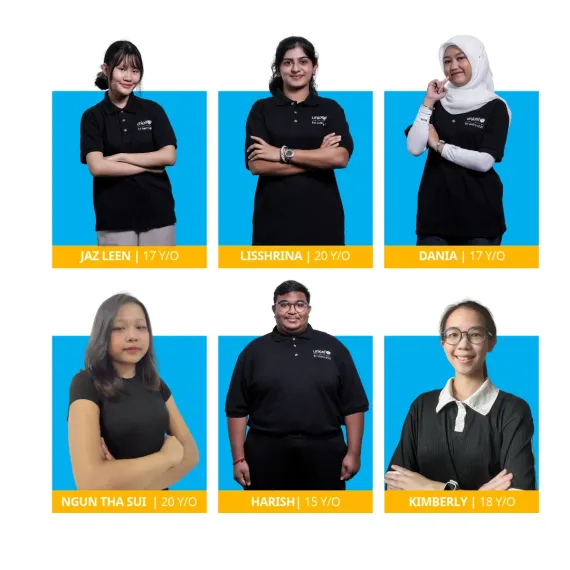
Jaz Leen: Being Part of YPAG, to me, means being a voice for the voiceless, whereby I have a duty to speak up on behalf of every child who can’t, every child who wasn’t given the same privilege that I had, and every child who isn’t here with us today.
Lisshrina: Being part of YPAG means a lot to me because it gives me the chance to contribute to something bigger than myself. Looking back, I feel really grateful for the opportunities I’ve had and the people I’ve met along the way. These experiences have helped me grow, but they’ve also made me realise that not every young person gets the same opportunities to explore their potential or have their voices heard.
Dania: I have always been eager to learn, grow, and contribute to the well-being of others. However, I struggled to find a platform where my voice could be heard until I joined YPAG. Through this experience, I discovered the profound importance of being listened to and accepted in a safe, inclusive environment where everyone is valued without discrimination.
Ngun Tha Sui: I believe being part of YPAG gives us, young people, a chance to speak up about our issues and help adults understand what we are going through. Being a YPAG member makes me feel like I am representing my community and giving a voice to those who may not always have the chance to speak up. It allows me to share the challenges and barriers we face in our everyday lives and help others understand our experiences. I hope that by sharing our stories, we can create more understanding and make a difference in our community.
Harish: Adults often make assumptions about what children need. YPAG members act as "experts by experience," offering realistic insights on everything from clinical trial designs to classroom curriculums.
Kimberly: Young people bring immense creativity, fresh perspectives, and lived experiences that adults may not have considered, particularly on issues that directly affect our lives and communities. We should not simply be recipients of decisions made for us, but active participants in shaping them.
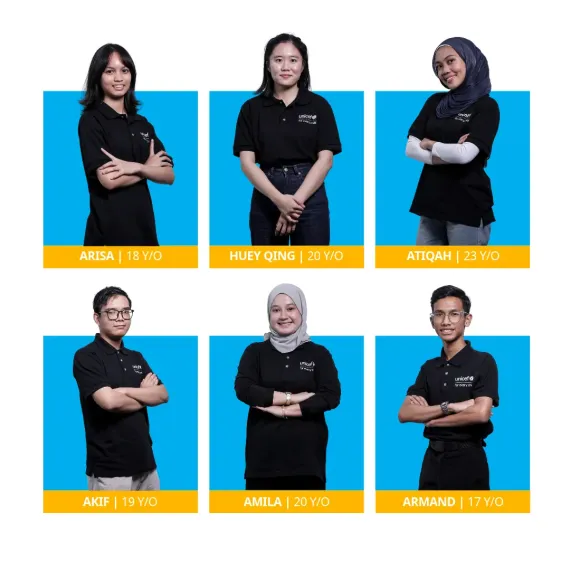
Arisa: Golongan muda perlu diberi peluang untuk menyuarakan pendapat kerana kami juga mempunyai pandangan dan cabaran tersendiri. Melalui YPAG, suara kami dapat didengari dan diambil kira dalam proses membuat keputusan. Selain itu, penglibatan ini dapat meningkatkan keyakinan diri, membina kemahiran kepimpinan dan membantu golongan muda membawa perubahan positif kepada masyarakat.
Huey Qing: It’s important for young people to have a seat at the table through YPAG because we experience many of the issues that affect us firsthand. It is not only our future at stake; these problems are already shaping our everyday lives. What we see and go through can help identify gaps, challenge assumptions and shape solutions that meet young people’s actual needs.
Atiqah: Being a member of YPAG gives you the chance to speak for young people, exchange viewpoints, and participate in important conversations about topics that impact young people. It include promoting the interests of young people, making suggestions, and assisting organisations in creating programs that address the needs of young people.
Akif: I believe it is important for young people to have a seat at the table through YPAG because they are a reliable source of information for organizations to gather. Since the world is trying to solve problems related to young people, they are able to provide accurate details because they are the ones who have experienced these kinds of issues.
Amila: Personally to me, participation in YPAG is an honor and an important responsibility. By interacting with children in the field, I realize that young people possess strong opinions but only lack the space to voice them out. As a member of YPAG, I join hands with many other youth leaders to champion for the rights of those whose voices are silenced.
Armand: Being part of YPAG means having a voice, even at 17, and realizing that our stories matter. What touches me most is seeing young people from different backgrounds sit together, share their experiences, and respect one another, even when we disagree. Behind every voice, there may be a story or struggle we have yet to understand.
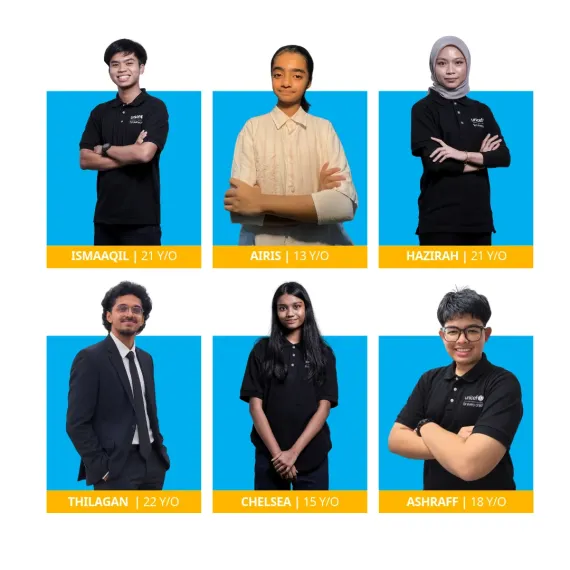
Ismaaqil: YPAG offers the younger generations to lead and inspire change within our community especially regarding decisions from adults which directly impact them. By offering them a channel to voice out their opinions and ideas, a mutual understanding as well as respect between young people and adults could be fostered in a way that would lead to a safer environment for all groups of age.
Airis: I think it is important for young people to have a seat at the table through YPAG because young people are the future of our society, and our voices deserve to be heard. We experience challenges that adults may not fully understand, especially when it comes to education, mental health, and digital rights.
Hazirah: As a young person from Sarawak and a student leader, I have come to understand the importance of representation and creating spaces where young people feel heard, valued and included. I believe every young person carries a perspective worth listening to, regardless of where they come from or the opportunities available to them.
Thilagan: Being part of YPAG means more than just having a voice; it means having the opportunity to turn that voice into meaningful change. As a young person, I believe we bring fresh perspectives, lived experiences, and ideas that can help shape a safer and more inclusive digital world. Young people today are not merely users of digital platforms; we are also among those most affected by online risks and challenges.
Chelsea: Young people need a seat at the table as, more often than not, decisions about children often happen without children being consulted. Adults may understand policies, however young people have first hand experiences, and can provide different perspectives. Having a voice means more than being listened to, it means our opinions should be taken seriously.
Ashraff: Being part of YPAG means a lot to me because I get to share my voice and ideas as a young person. As a Deaf young person, I understand that some young people face challenges with communication, education, and getting information.
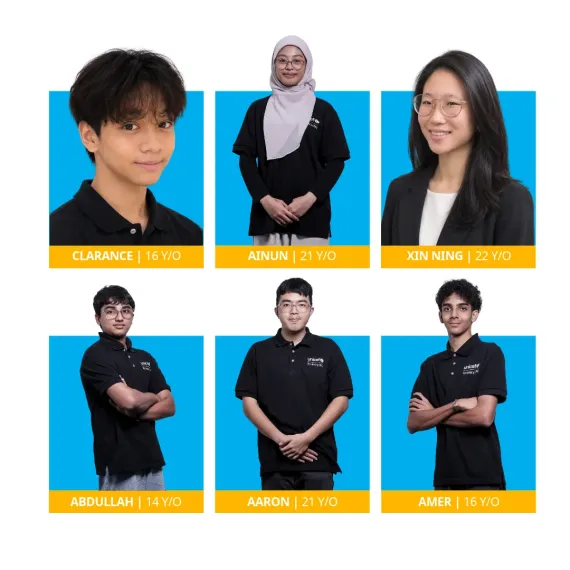
Clarance: When adults debate education, mental health, or climate change, they look at data. As a 16-year-old, I don’t need data because I live these realities every day.Too often, youth participation is just tokenism. We are invited to take photos or read pre-approved scripts. True change only happens when we move from spectators to equal partners.
Ainun: Being part of YPAG means having the chance to be part of something bigger than myself. To me, it is about learning to understand the experiences of other young people and making sure their voices are heard, especially those who are often overlooked. I believe every child deserves to feel that their opinions matter and that they have the power to shape their own future.
Xin Ning: I believe young people deserve a seat at the table because decisions made today will shape the future we inherit. Yet, young people are often the ones experiencing the impact of these decisions without having meaningful opportunities to influence them.
Abdullah: YPAG means a lot if things to me ever since I was a kid I just had this thing in me that I want to explore and meet new people. I believe that its a really good way of building confidence and always learning new things. And now iam soooo greatful to be a part of ypag because to me its not just meeting new people but also sharing emotions having new friends and learn together.
Aaron: YPAG gives every young people (no matter of socioeconomic and cultural backgrounds) a chance to listen, debate, and make solution under the guidance for adults. This is especially important when young people are turning into adults that will nurture the next generation, and YPAG educates them with knowledge of their basic rights and inspire them to do the same for others.
Amer: For me, being part of YPAG isn’t about having a title or joining a committee it’s about bridging the gap between the issues young people face every day and the people actually making the decisions. Too often, policies affecting youth are designed from the outside looking in, without really hearing from the ones living through them.