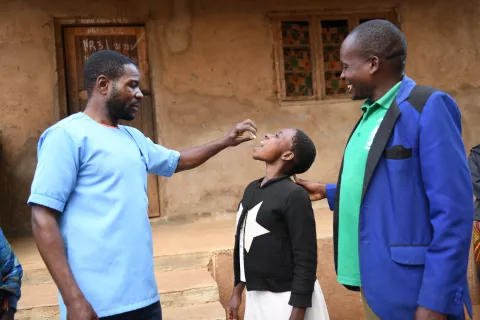
Vaccines at birth: Giving newborns in Mangochi a safer start
Inside a rural health centre where protection begins on day one
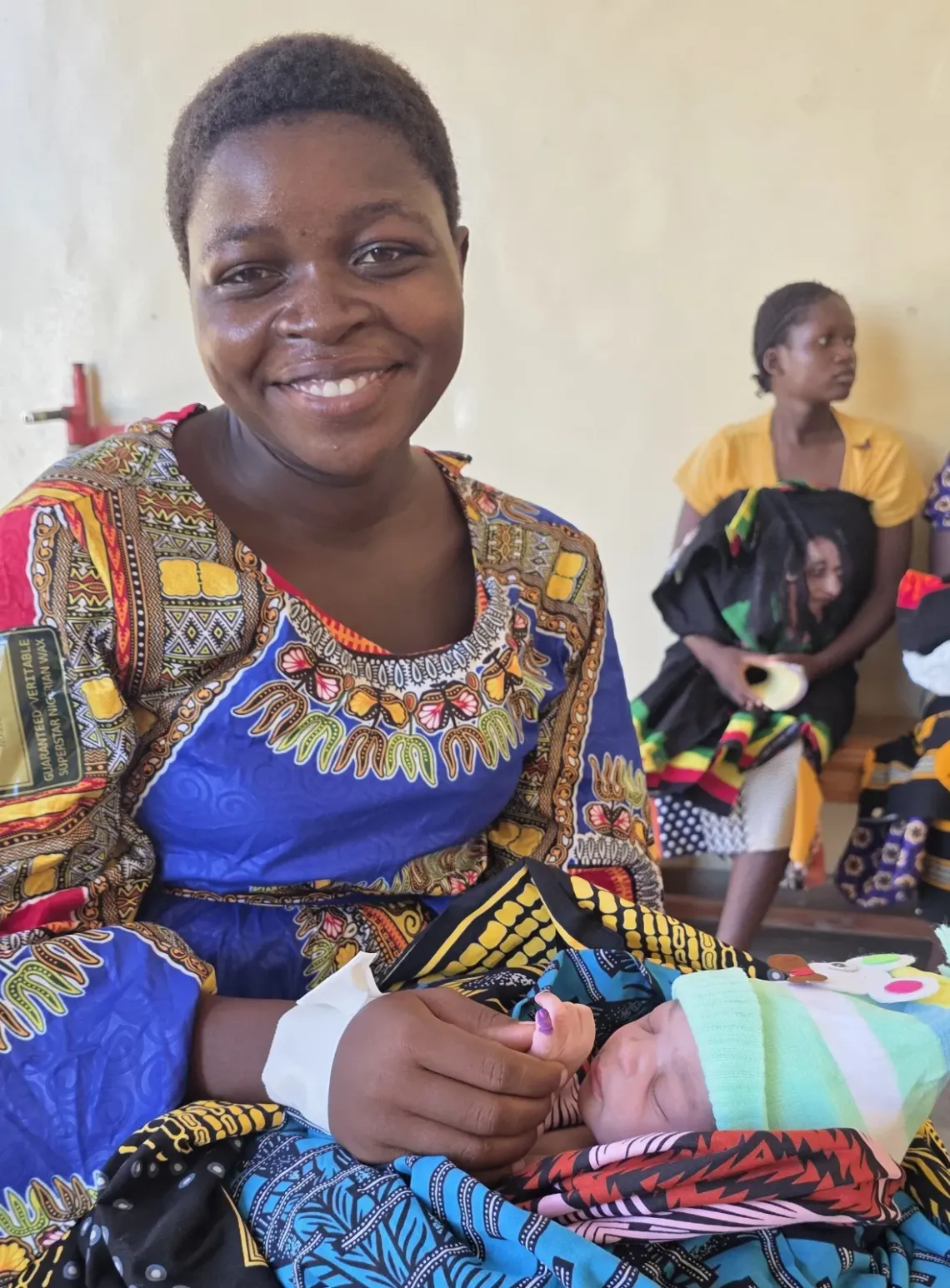
The morning sun has barely settled over Kukalanga Health Centre in the area of Traditional Authority Chimwala in Mangochi when Rose Dinasi, 40, steps outside with her newborn, Ishmael, wrapped gently against her chest.
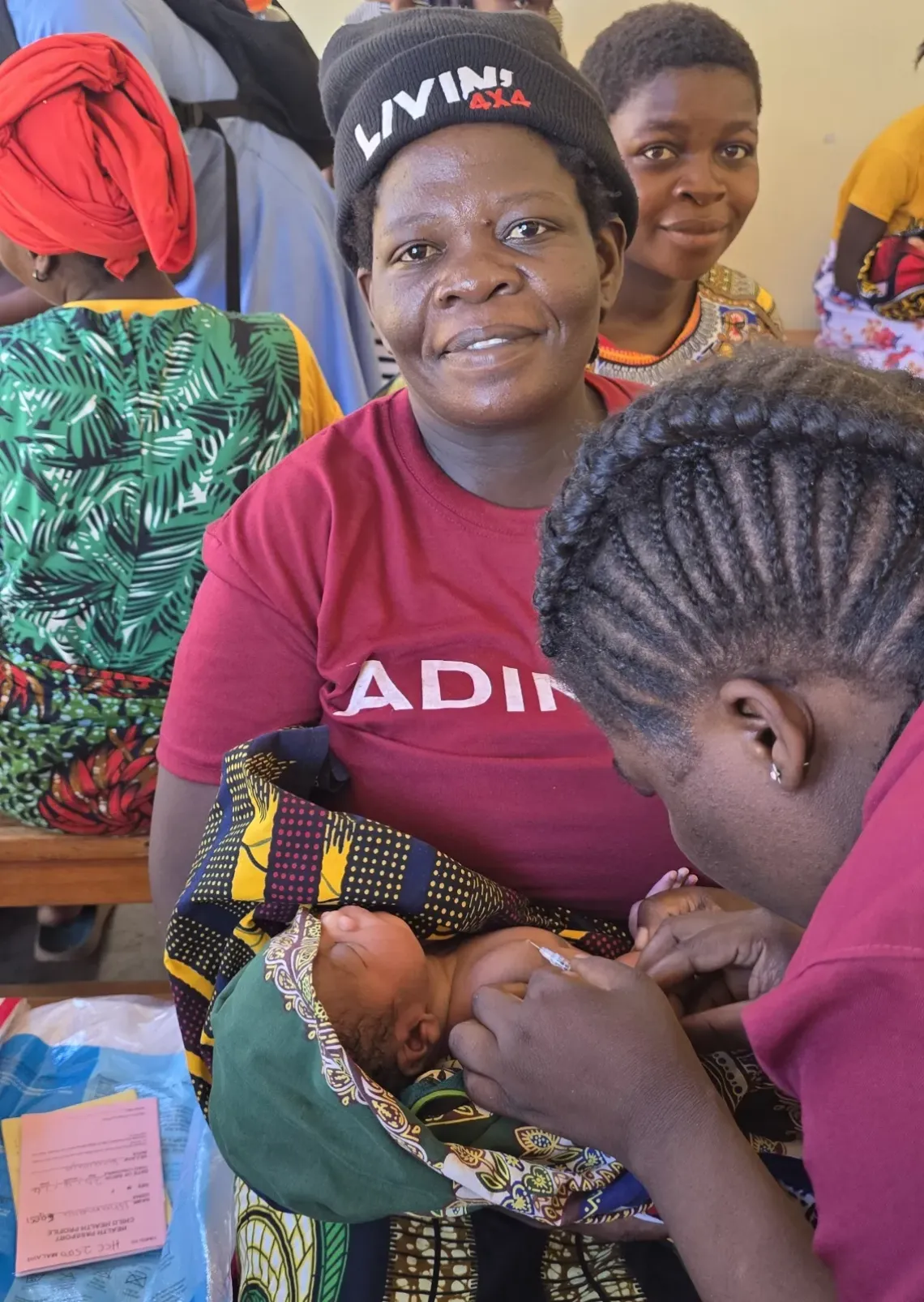
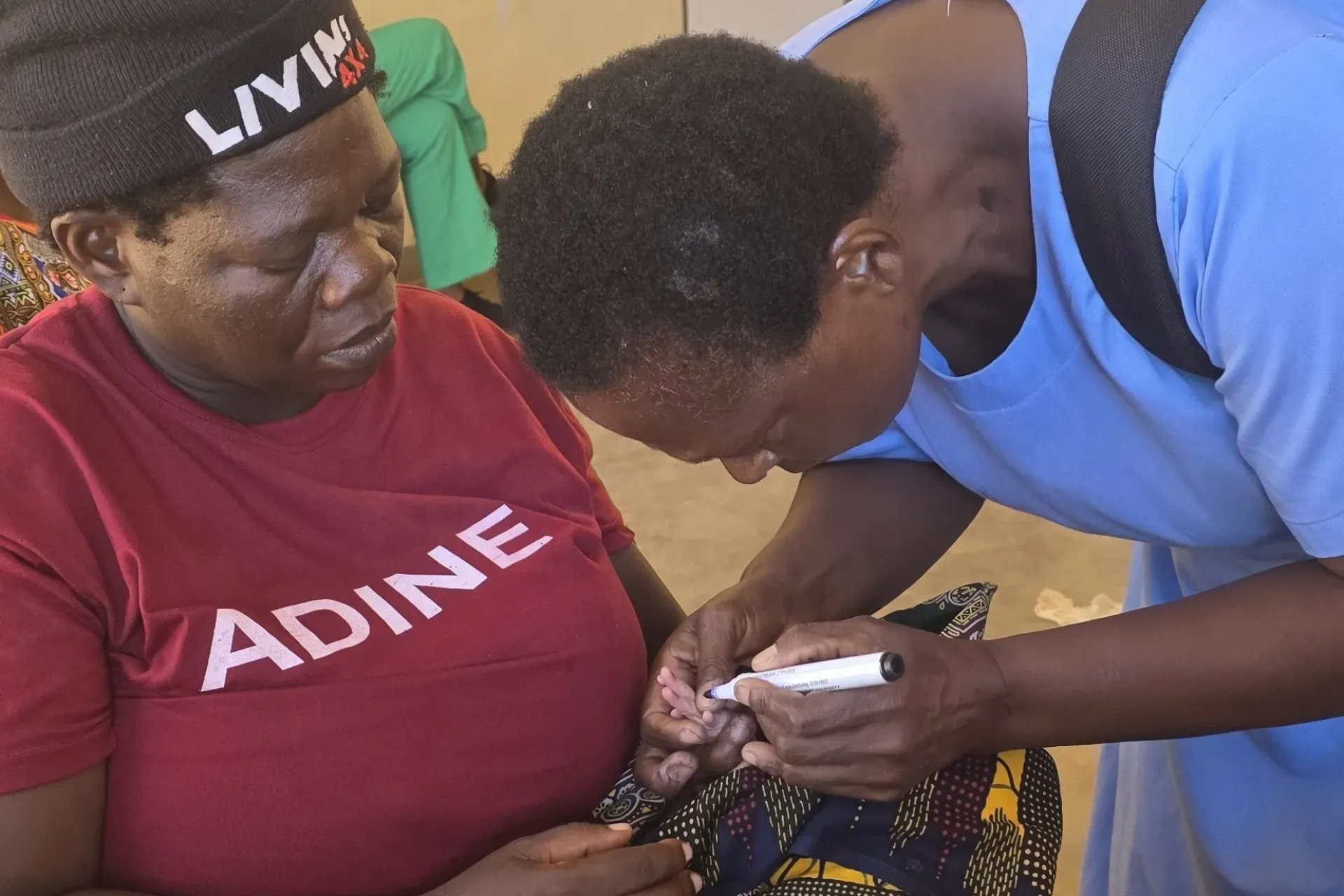
While inside the maternity ward, baby Ishmael received his first protection in life. A tiny mark on the arm shows he has been given the BCG vaccine which protects children from tuberculosis and other diseases.
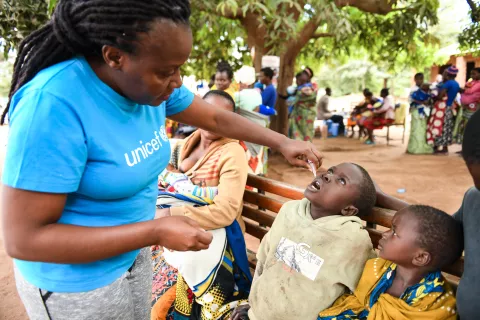
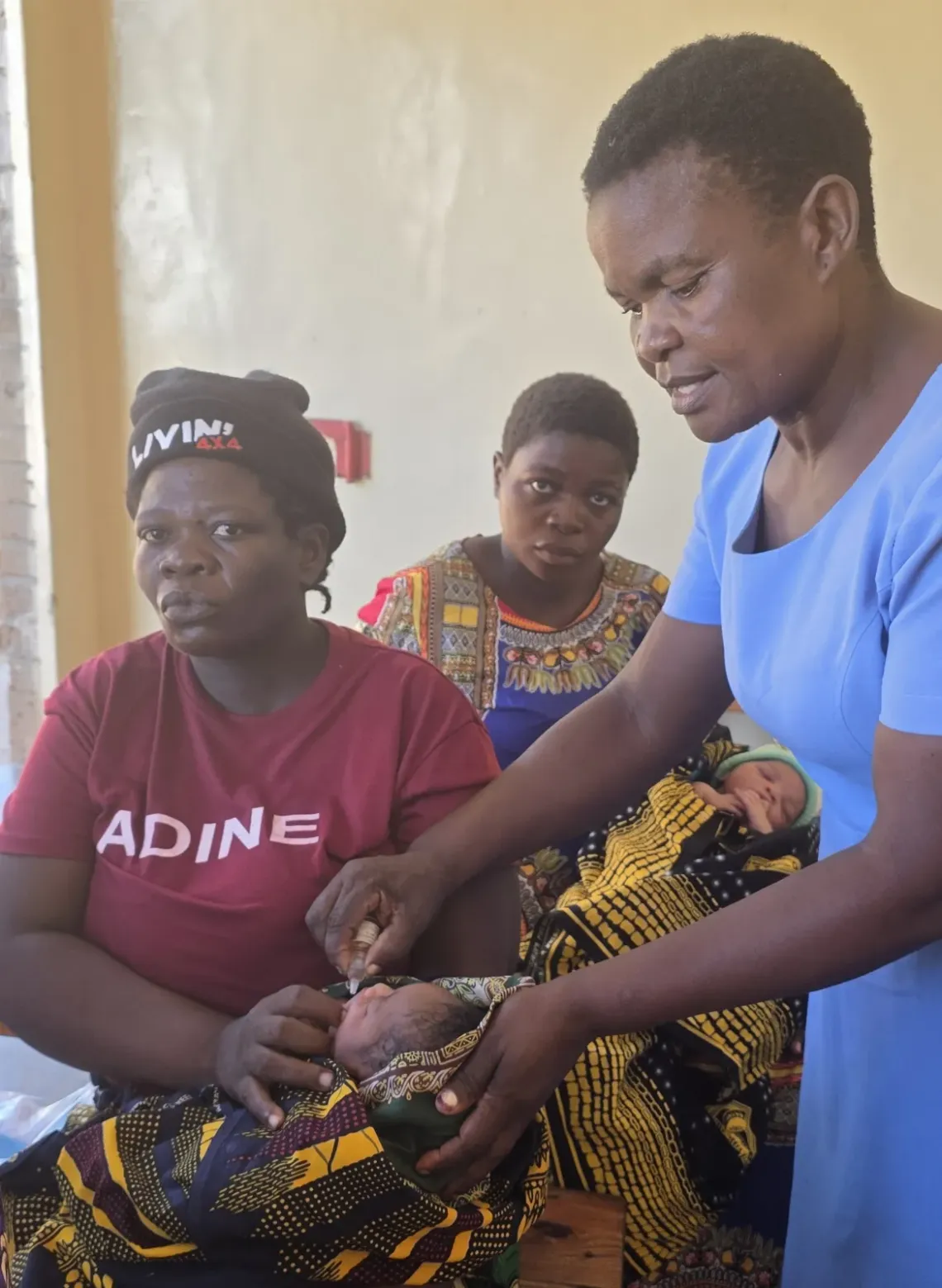
Moments later, a few drops of oral polio vaccine followed, both the routine dose and an additional second type of polio vaccine (nOPV2) being administered as part of Malawi’s response to the polio outbreak, supported by UNICEF and other partners.
For Rose, who hails from Kuwaya Village in the district, this is familiar. It is a commitment she has had with all her children.
“I believe in vaccines, and I make sure I adhere to the vaccination schedules,” she confessed.
She checked with the nurse to confirm that Ishmael had received every vaccine required for newly borns.
In the months ahead, she will return for the baby to get more vaccines, including the malaria vaccine which is now part of routine immunisation in Mangochi and 10 other districts in Malawi.
Before leaving the hospital, Rose reaches a desk where another important moment unfolds. She registers Ishmael with the National Registration Bureau, ensuring he is legally recognised as a Malawian citizen.
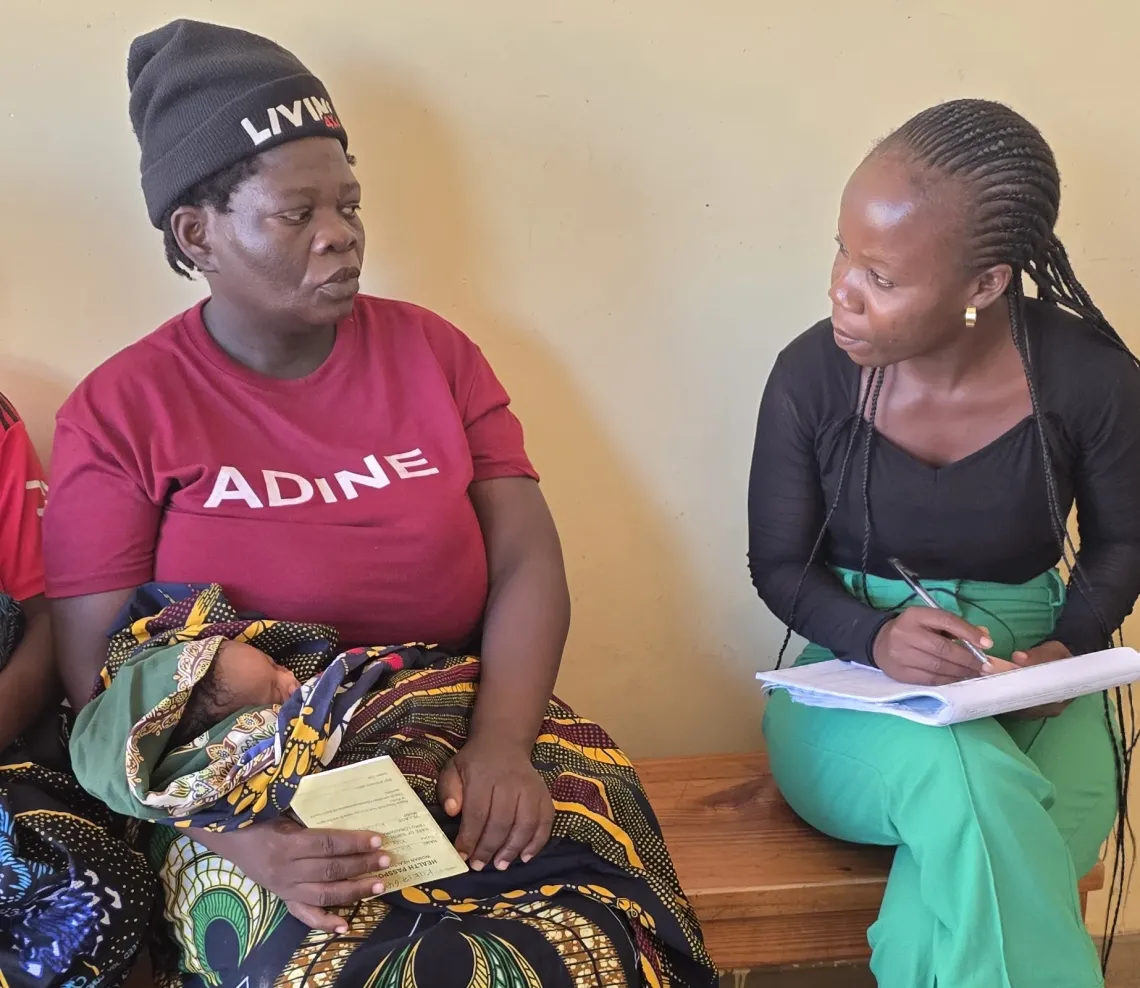
This simple act carries lasting impact for her son. A birth certificate from the registration secures his basic rights to a name, legal identity, nationality, protection and access to social services.
Nurse, Hussen Jauma, manages the steady flow of mothers and newborns moving in a vaccination line at the facility.
“Over the weekend alone, we had eight babies born here,” he explains. “All of them received their vaccines, including the polio vaccine, before discharge,” he says.
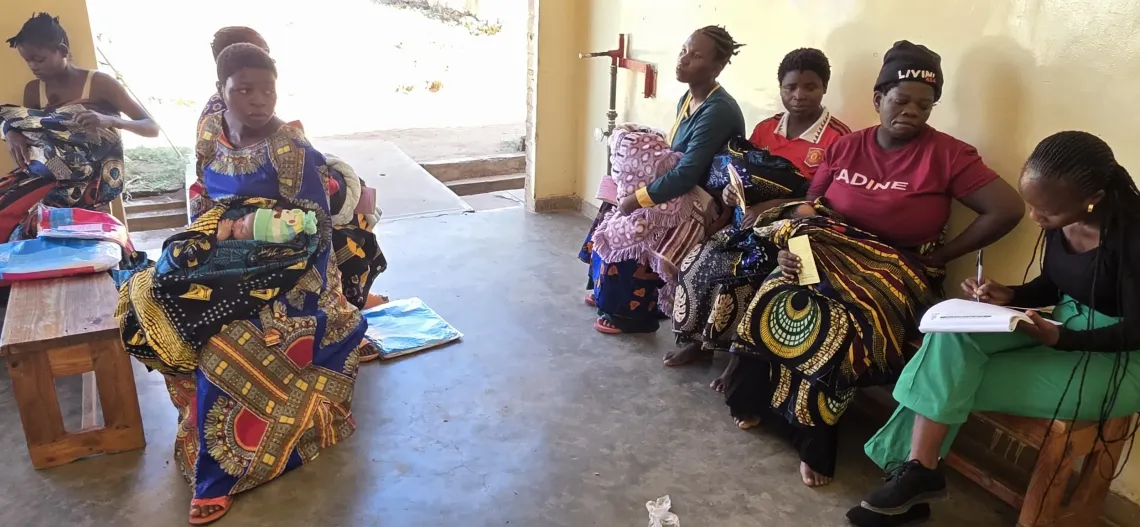
Behind the scenes, the effort is coordinated and deliberate.
As part of the second round of the country’s polio campaign, a dedicated team, made up of a vaccinator, a recorder, and a social mobiliser, moves through the community surrounding the facility to ensure no child is missed.
With her baby vaccinated, Rose is accompanied by a relative who carries the newborn. As they begin the journey home, the baby carries more than a name, he carries protection, identity and the promise of a healthier future.
The Ministry of Health and Sanitation is leading implementation of the polio campaign with support from UNICEF, WHO, European Union, the governments of Canada and Saudi Arabia, and Rotary International.
As African Immunization Week is observed across the continent, the quiet work happening in facilities like Kukalanga Health Centre is a reminder that immunization is more than a health service. It is a commitment to protection and an act of care that shapes a child’s future. And often, that journey begins within the very first 24 hours of life.