I Just want to go back to School ‘says Thandi, a rape survivor
Preventing and responding to violence against children in Malawi
Malawi's child protection system is well structured despite its own issues. As it is in many countries, the harsh reality is that children in Malawi are facing neglect, exploitation, abuse, and violence, which is against the future and hope of the world.
The child protection sector in Malawi is led and coordinated by the Ministry of Gender, Community Development, and Social Welfare and includes other ministries, departments, and agencies. Non-government organizations and faith-based groups also play an important role in this sector. The child protection workforce includes social welfare officers, community child protection officers, and police officers, who help to improve the ability to provide efficient and effective child protection services. In these structures, some are the heroes when it comes to the protection of children in Malawi.
The community police are primarily volunteers who make sure that cases are identified and referred to the necessary services. Additionally, there are the district child protection officers, the social welfare officers, community child protection officers, and child protection volunteers. In this structure, some officers get a stipend from the government; the community volunteers do not. Yet, they do a lot making sure children in the communities are protected.
Children in Malawi face many issues. Amongst them are early marriages (About 38 per cent of girls in Malawi are married before 18, and 9 per cent before 15), sexual abuse, physical abuse, mental abuse, and corporal punishment in school. Children in Malawi face abuse at home, in the community, in schools, and even in hospitals. In some cases, even the caregivers who are supposed to protect the children take advantage of them sexually or physically abuse them.
Thandi (not her real name) is a young girl in Mauwa village, a community in the Traditional Authority Mizinga in Malawi. She is 17 years old and was sexually abused at 16 years of age by the village head (chief). The chief normally is a leading figure in the community who is supposed to protect its citizens. On this faithful day, Thandi was walking back from school, and the chief cornered and sexually assaulted her. In Malawi, the term used in this case is defilement. It was a very difficult case as the girl is still a child and was abused by a leader in the community who wills power.
Thandi's family then reported it to the community child protection volunteer, who opened a case and reported it to the community police forum. The community police, which is made up of just volunteers, then worked with the Community Child Protection Worker (the government frontline worker and case manager under the Ministry of Gender) and district child protection officer and referred it to the police and the hospital.
Through the Child Protection Worker, a case conference (this is where cases are discussed) was initiated to discuss Thandi's case so that relevant action can be taken. The said chief was arrested and tried in the magistrate court. At the magistrate court, the case was dismissed because the family first could not prove that the girl was underage. Secondly, the chief said he had a formal relationship with the girl despite the girl indicating that there was no consent.
The birth registration issue comes in handy here because if this child had a birth certificate, it would have been a straightforward case to prove. Studies show that a child whose birth isn't registered is vulnerable to violence, abuse, and exploitation from birth to adolescence. With no officially established existence and thereby no birth certificate, no proof of age, no proof of biological parentage, and no identification, children are more likely to lack recognition in child protection systems. They will not be counted when governments make policy decisions.
It is also difficult to prove the age of a child in child marriage cases in Malawi, which is the reason child marriage is still rampant in Malawi.
Thandi's rapist was released and lives just three houses away from hers; she sees him and his other family daily. This means that she is still exposed to this man who can still abuse her if he wants. The worst part is she not only got pregnant and gave birth to a baby boy as a result of the rape, but she also contracted HIV. . Thanks to the work of the case managers, she was quickly referred to the hospital and is on antiretrovirals. Fortunately, her child did not contract HIV.
Thandi lives with her mother, who is blind yet very willing looks after her grandchild so that her daughter can attend school.
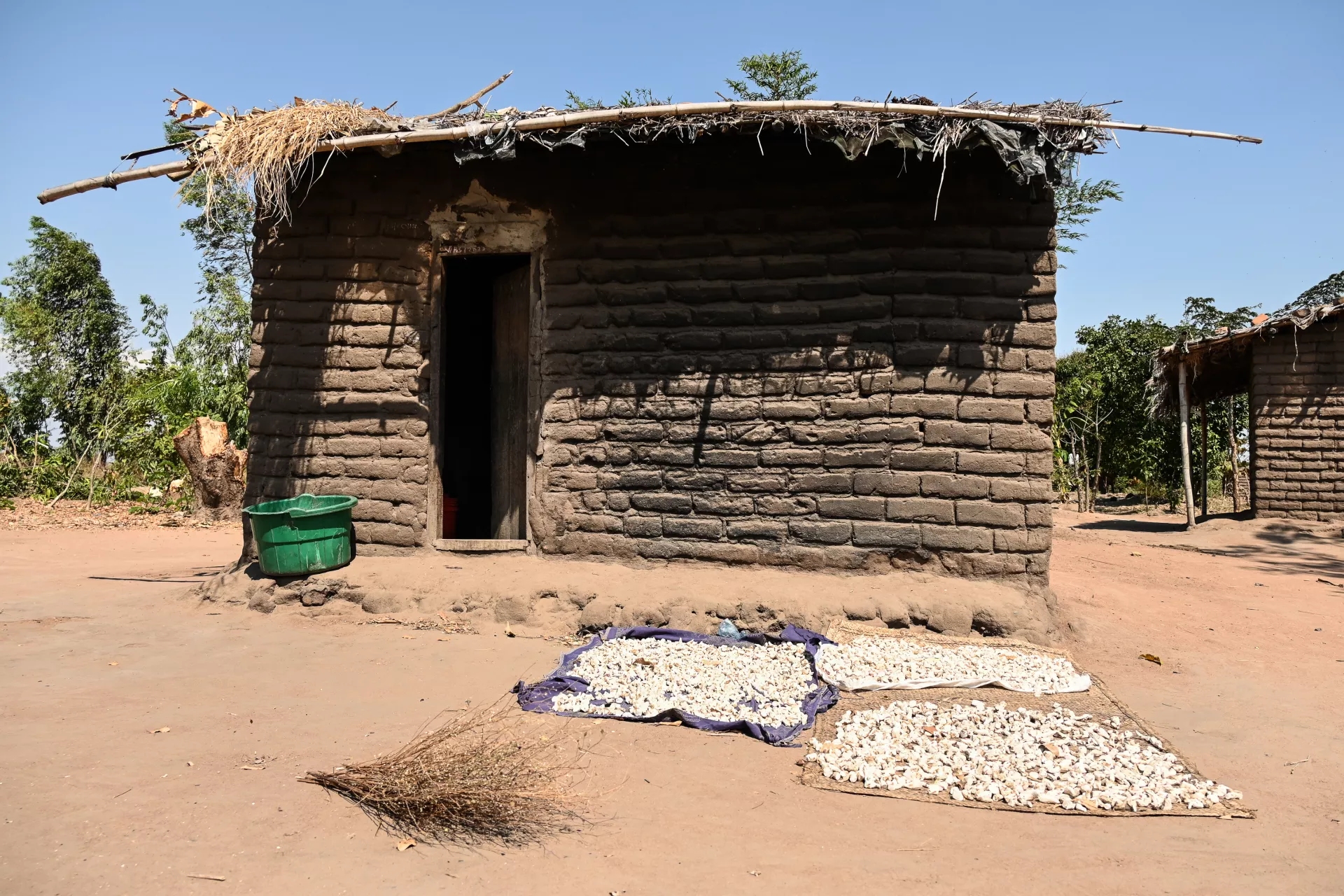
In August 2022, I sat in front of Thandi's hut in her village and listened to her ordeal and her fear of the man who abused her. What I saw was a girl who was strong, tough, and resilient and wants to live her life as a normal growing child.
Despite her ordeal, she was in good spirit and only wished that the man be rearrested to face the justice of the law. Above all, she says, "I just want to go to school and graduate like any of my peers, so that my child can have a better life." She says each time the neighbours visit her baby and call the baby by her abuser's name. It really hurts her.
UNICEF works with traditional and religious leaders to combat social norms that lead to child marriages and violence against children. UNICEF works to break the silence around child abuse and at the same time, increase reporting of violence against children and gender-based violence.
UNICEF supports the delivery of birth registration through health facilities and provides technical assistance to the National Registration Bureau to strengthen the national birth registration system. UNICEF also supports children like Thandi to go back to school and to vocational training for those who do not want to go back.
For Thandi, her case has been referred to a higher court, and we hope she will get justice from this higher court. UNICEF, through its partners on the ground, is assisting her so that she can return to school, while the Social Welfare Office is ensuring that the child's father pays maintenance costs.
-----
If you would like to sponsor Thandi, or children in a similar situation like her, get in touch with UNICEF Malawi on [email protected].