

Flood survivors get mental first aid
Mental health in times of emergencies

When Tropical Storm Ana struck southern Malawi in January 2022, Aluvinesi Daimoni’s legs froze in surging water, and she feared death was inescapable.
Six years earlier, she fiercely fought a crocodile that mauled her left arm while drawing water from Chimbiya River in Chikwawa District.
“The stumpy arm bears an indelible scar, and painful memories flooded my mind recently when the crocodile-infested river broke its banks and merged with Nkombezi,” narrates the woman aged over 70 years old.
The roaring flood sent people in her village dashing in all directions, but the elderly woman “couldn’t move a leg”, she says.
Eluvinesi miraculously survived the flash floods when she was caught in thorny bushes that dot Matsukambiya, a low-lying village on the edge of the sprawling Nchalo cane fields.
“I spent a night in the relentless rain that had battered my home and many others to rubble for three days, washing away crops, animals, and household items,” she recounts.
Aluvinesi was rescued by young men who returned to the lowland the following morning to pick up those left behind.
They included vulnerable persons, including children, the elderly, pregnant women, and persons with disabilities.
Abraham Kambewa, who led the search and rescue team, recalls: “The granny was utterly terrified and speechless when she was reunited with her four grandchildren at Nchalo Camp.
“She seldom said a word or mingled with her colleagues. She was so withdrawn and appeared not to understand what she might have gone through.”
Daimoni released her pent-up emotions in May when she received counselling to cope with the tragedy.
“Before talking to the counsellors, I didn’t feel safe living with people who had forsaken me when I needed their support. I didn’t trust anyone, except the young men who had returned to the village to fetch me. Trapped in rising floods, I feared for my life and grandchildren, and I didn’t know if they were dead or alive.”
The joyous reunion soon gave way to despair and helplessness as her grandchildren spent two weeks without schooling after losing their uniforms, books, pens, and other essentials to floods. Besides, their classrooms at Sekeni Primary School were overcrowded with survivors from the surrounding village.
“Talking to someone helped me open up and share the inner fears gutting my heart,” she explains.
The counseling followed training in mental health and psychological support is provided by the Umoyo Wathu UN Joint programme. UNICEF is one of the agencies implementing the programme through the District Social Welfare Office with funding from the UK’s Foreign, Commonwealth, and Development Office.
It focused on psychological first aid in response to the devastation caused by Tropical Storm Ana and Cyclone Ana amid the Covid-19 pandemic.
The participants included community child protection officers, health workers, police, and members of community victim support units.
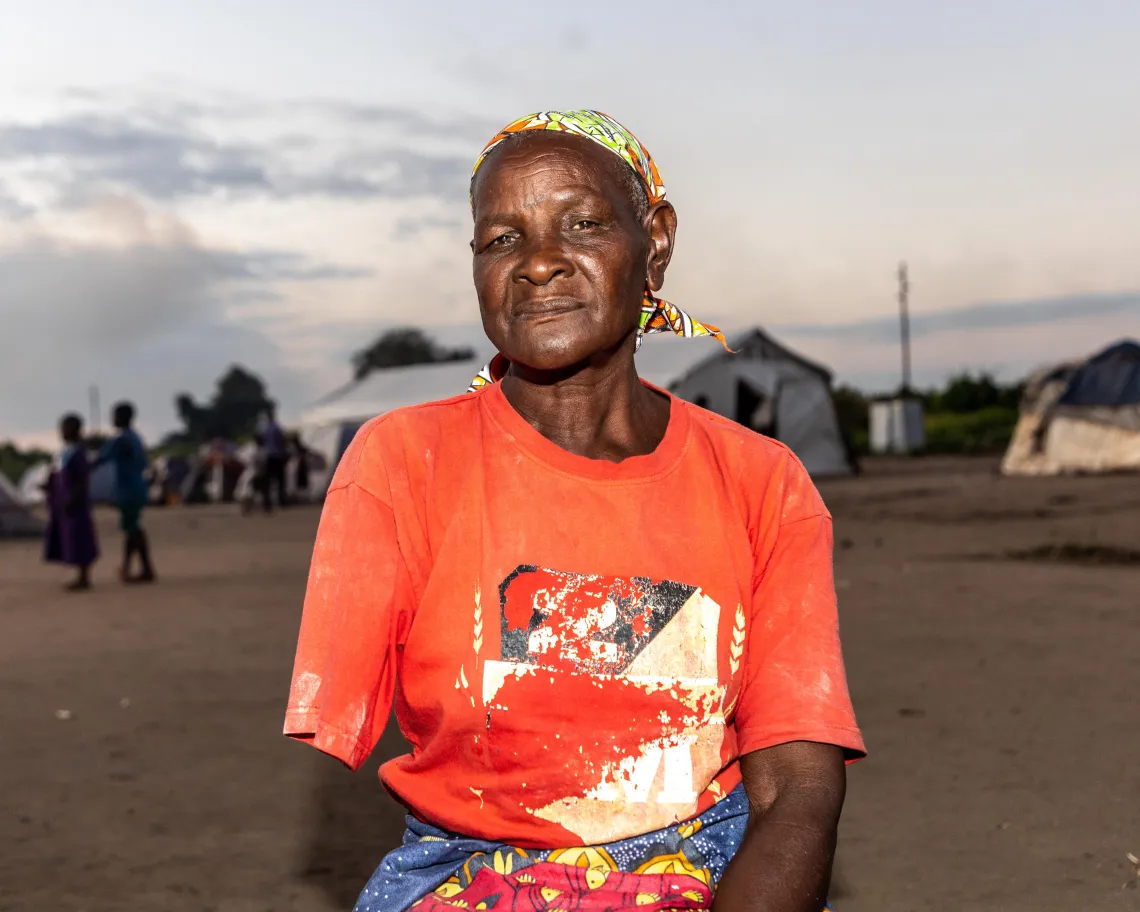
Daimoni explains: “The support was timely because most organisations have brought food, blankets, buckets, and soap to our camp, but nothing much to lessen our mental problems caused by the loss.
For us, life in the crowded camp was never easy. Just before the floods, we lived peacefully and comfortably in our homes. But we lost everything in no time: our homes, food, and privacy.”
The flood left child protection worker Lysan Mangasanja making rounds in 23 evacuation camps in the sugar-producing area, including the one occupied by Aluvinasi and about 1 500 neighbours of hers. His work reduces the suffering of children and vulnerable groups, including the elderly.
“The flooding was devastating, and it hit just when the COVID-19 pandemic had disrupted the livelihoods of many. Some might have thought the world was coming to an end. As such, the training in psychosocial first aid helped us, social protection workers, to reach the affected populations with messages of hope just when the loss was having a toll on their mental well-being,” he says.
Mangasanja urges the government and its partners to integrate mental health support into the national disaster response.
“Clearly, the survivor’s mental well-being is no less important than their physical needs. Most of them were grateful to receive food aid and other relief items, but probing further, we were able to hear their hidden worries and address their challenges without having to scratch where it doesn’t itch.”
Chikwawa District Council has committed to embedding mental health and psychosocial support in its response to future humanitarian crises.
Cyclone Ana affected 379 00 people and displaced 117 490 families in Chikwawa, making it the country’s worst-hit district.
The cyclone displaced 190 000 people from nearly one million affected, reports the Department of Disaster Management Affairs. Some 46 were confirmed dead and 18 were missing.
“We are grateful for the training held in April when some survivors returned home to start rebuilding. We needed it before the tragedy struck so that we are not reactive, but we’re better late than never. We were unprepared and thin on the ground when the catastrophe occurred, but the training helped us work as a team,” Mangasanja explains.


