A beacon of hope to the adolescents
… a tool ignites girls and young women to open up

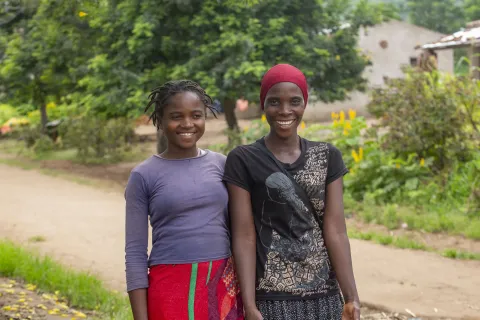
Fifteen-year-old Chikondi (not her real name) discovered she was HIV positive in July of this year, a life-altering revelation that has transformed her into an outspoken advocate for positive living and healthy lifestyles among youth in her community.
“I never knew I was positive,” Chikondi shared, reflecting on how she and her peers engaged in risky behaviors, driven by the need to survive and seeking adolescent pleasures amidst their impoverished backgrounds. A Standard 6 dropout, she now has renewed hope and plans to return to school.
“When I grow up, I want to be a teacher. I’m determined to go back to school, chase my dreams, and make a positive impact in society. My experience can help other adolescents embrace healthier lifestyles, especially when it comes to sexual and reproductive health rights. I’m open about my status because I want to be a living testimony,” she said with conviction.
Chikondi’s turning point came through an adolescent health module, a tool that encourages young people to take charge of their health and well-being. Alinafe Matias, a facilitator of the module in Blantyre Rural, says the programme has empowered many adolescents to open up about issues such as early sexual activity, lack of parental support, domestic abuse, and mental health challenges.

“Chikondi was one of my first clients,” said Alinafe. “With support from professional counselors at the clinic, we’ve seen real progress. She’s adhering to her treatment and is eager to return to school.”
UNICEF, in partnership with Malawi’s Ministry of Youth, is supporting the rollout of the Adolescent Girls and Young Women Risk and Vulnerability Assessment Tool (RVAT) in Blantyre and Kasungu districts. Blantyre District Council Youth Officer, Peter Mizedya, explained that the tool is instrumental in identifying the specific risks and vulnerabilities faced by adolescent girls and young women in Malawi.
“The tool is making a difference. It helps us identify risk factors and develop effective interventions to improve their well-being and quality of life. It also serves as a gateway to comprehensive referral services and support,” he added.
The tool covers seven key domains: education, social protection and support, HIV and SRHR knowledge, uptake of SRH and HIV services, risk behaviors, experiences of violence, and substance abuse.