Growing strong together
How a nutrition club is helping families give children the best start
Every week, ’Mampho makes the walk to her community nutrition club in Menkhoaneng, a remote village in Leribe district, with her youngest child securely wrapped on her back. It is a journey she now makes with confidence. Here, she has found more than practical advice on feeding her children. She has found hope, support and the reassurance that she can give them a healthier start in life.
It was not always this way.
As a caregiver raising young children, ’Mampho worked hard to make the most of the support available to her family. While the Child Grant Programme helped ease some of the financial pressure, she was often unsure how to provide the most nutritious meals with the food she could afford.
“Most days, my children ate once or twice,” she recalls. “We relied on papa and tea because that was what we had. I worried because my youngest was often sick and tired.”
With little variety in the family’s diet, she noticed her youngest child becoming less energetic and feared poor nutrition was affecting her growth and development.
“I was afraid she was not growing well,” she says.
Things began to change when ’Mampho joined her community nutrition club.
The nutrition club is one of the community-based interventions under the Ntlafatsa Bana programme, a joint initiative of the Government of Lesotho, the European Union in Lesotho and UNICEF Lesotho. By complementing Child Grant Programme cash transfers with essential services such as nutrition, water, birth registration and renewable energy, the programme is helping children and families build healthier, more resilient lives.
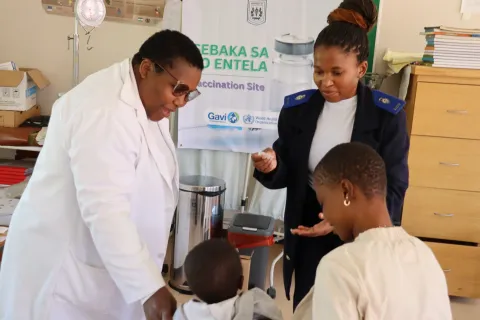
Every week, mothers and caregivers come together to learn practical ways to improve their children’s nutrition using affordable, locally available foods. Through cooking demonstrations, they prepare balanced meals, learn about food groups and meal frequency, preserve vegetables, and practise optimal infant and young child feeding (IYCF). Community health workers also monitor children’s growth, provide nutrition counselling and help ensure children receive life-saving immunizations.
“When I started applying what I learned at home, my child began eating better,” says ’Mampho. “She has more energy now and falls sick less often.”
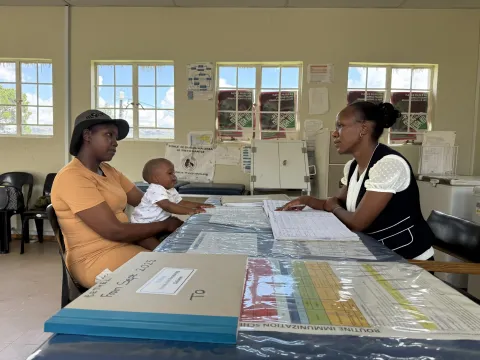
Today, her children eat more regularly and enjoy a wider variety of foods. Every month, she confidently takes her youngest child for growth monitoring.
“I used to worry if my child was growing well,” she says. “Now I understand the growth chart, and the health worker explains everything to me.”
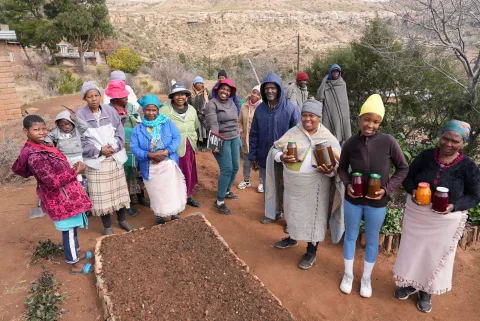
Like the other 40 members of the club, ’Mampho has gained more than nutrition knowledge. The group has become a space where women encourage one another, share experiences and develop skills that strengthen both their families and livelihoods.
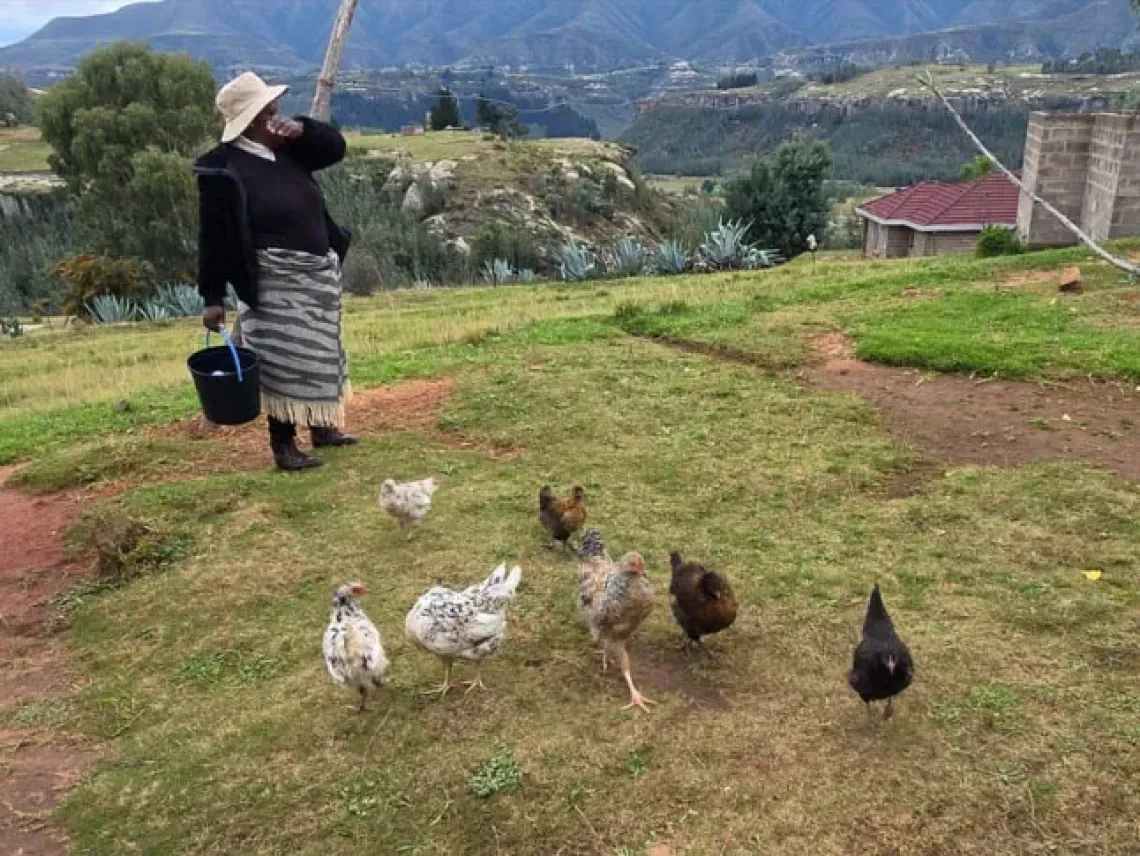
Members learn income-generating activities such as poultry production, knitting, weaving and recycling. They maintain household vegetable gardens, make compost from recycled waste and use locally developed recipe booklets to prepare nutritious meals at home and in early childhood care and development centres.
Their collective efforts have earned the club recognition within the community for improving the wellbeing of children and families.
The results are reflected in the children themselves.
During a recent monitoring visit, every child under five assessed through the club showed no signs of malnutrition, while all eligible children were fully immunized according to Lesotho’s national schedule. Community health workers attribute this achievement to regular household follow-ups, growth monitoring and the strong network of support created among caregivers.
“This group has changed how we work together,” says one community health worker supporting four villages served by a single health facility. “Children are no longer missed for immunization, and mothers encourage each other to practise what they learn.”
Challenges remain. Power outages sometimes affect food preservation, harsh winter conditions reduce poultry survival, and not every member can attend every session. Even so, the club continues to grow stronger through the commitment of its members and the support they provide one another.
For ’Mampho, the biggest change cannot be measured only by a child’s weight or clinic record.
“Good nutrition means hope,” she says. “I believe my children can grow strong, learn well and have a better future.”
As she leaves another nutrition club meeting, her youngest child sleeping peacefully on her back, ’Mampho carries home more than vegetables and recipes. She carries knowledge, confidence and the belief that every child deserves the healthiest possible start in life.