

Convention on the Rights of the Child
For every child, every right
- Español
- English
For every child,
every right.
In 1989, world leaders made a historic commitment to the world’s children by adopting the United Nations Convention on the Rights of the Child – an international agreement on childhood. It’s become the most widely ratified human rights treaty in history and has helped transform children’s lives around the world.
But still not every child gets to enjoy a full childhood. Still, too many childhoods are cut short.
It is up to our generation to demand that leaders from government, business and communities fulfil their commitments and take action for child rights now, once and for all. They must commit to making sure every child, has every right.
Key information | UNICEF and the Convention |
Frequently asked questions | Child rights |
Find out more about the Convention
UNICEF/UN0405475
UNICEF/UN0406401/Vilca
The Convention is the most widely ratified human rights treaty in history – in force in virtually all countries of the world, thus providing a common ethical and legal framework for the realization of children’s rights.
UNICEF/UN0405475
UNICEF/UNI474122/Ralaivita
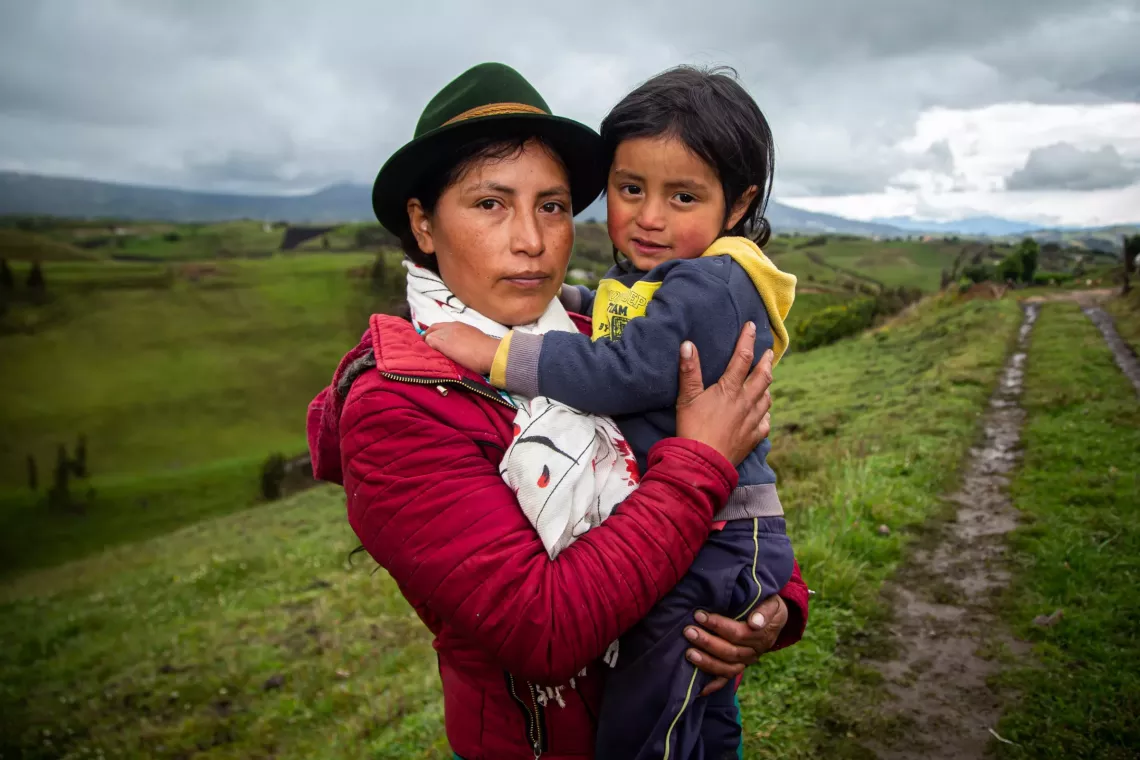
The Convention indicates that children's rights can no longer be perceived as an option, as a question of favour or kindness to children or as an expression of charity. Children’s rights generate obligations and responsibilities that we all must honour and respect.
UNICEF/UN0405475
UNICEF/UN0492400/Vega
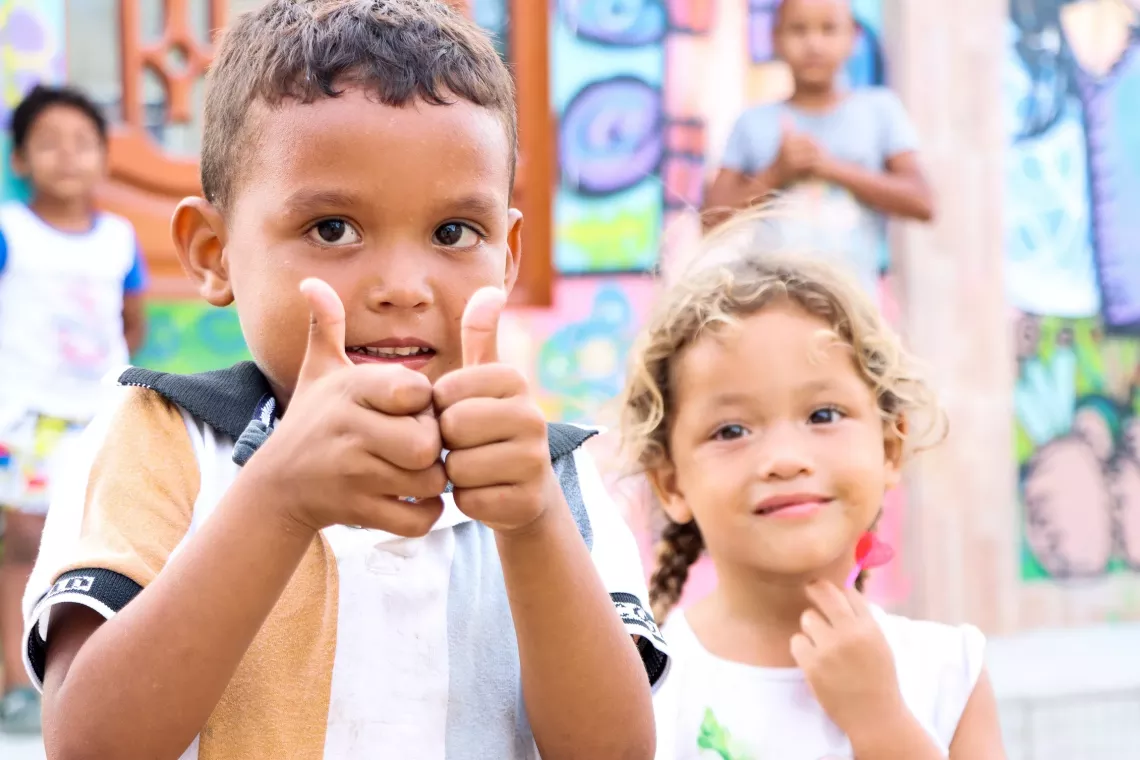
The Convention reaffirms that all rights are equally important and essential for the full development of a child and that each and every child is important.
UNICEF/UN0405475
UNICEF/UN0849392/Bayona
The adoption of the Convention was the first time a formal commitment was made to ensure the realization of child rights and monitor progress on the situation of children.
UNICEF and the Convention
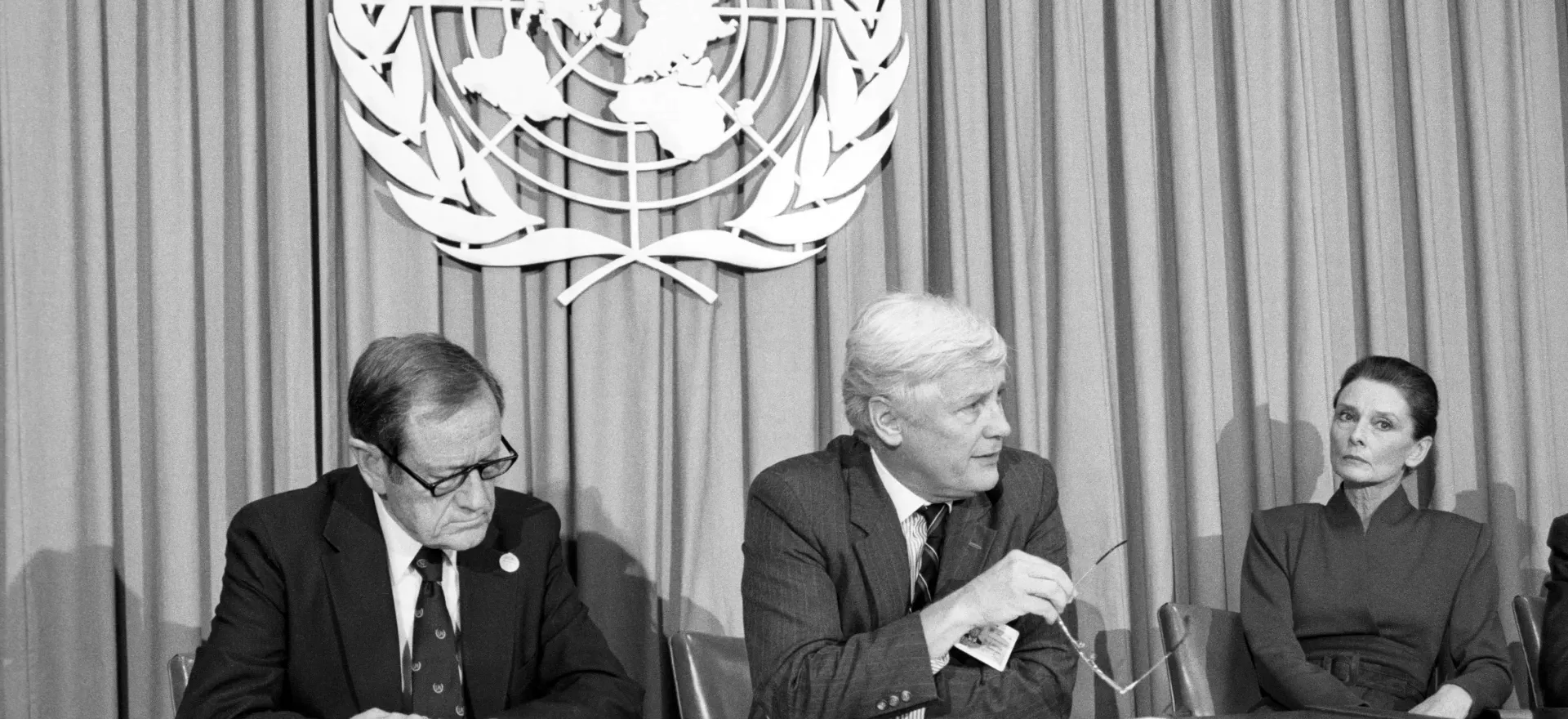
UNICEF is the UN organization mandated to protect the rights of every child, everywhere, and is the only organization specifically named in the Convention on the Rights of the Child as a source of expert assistance and advice.
UNICEF/UN0279228/John Isaac/UN Photo
UNICEF
UNICEF is guided by the Convention on the Rights of the Child and strives to establish children's rights as enduring ethical principles and international standards of behaviour towards children.
UNICEF/UN0279228/John Isaac/UN Photo
UNICEF/UN0849439/Bayona
By promoting the ratification and supporting the implementation of the Convention and its Optional Protocols, UNICEF helps strengthen laws and policies and improves understanding of the Convention at all levels of society.
UNICEF/UN0279228/John Isaac/UN Photo
UNICEF/UN0187723/Sanadiki
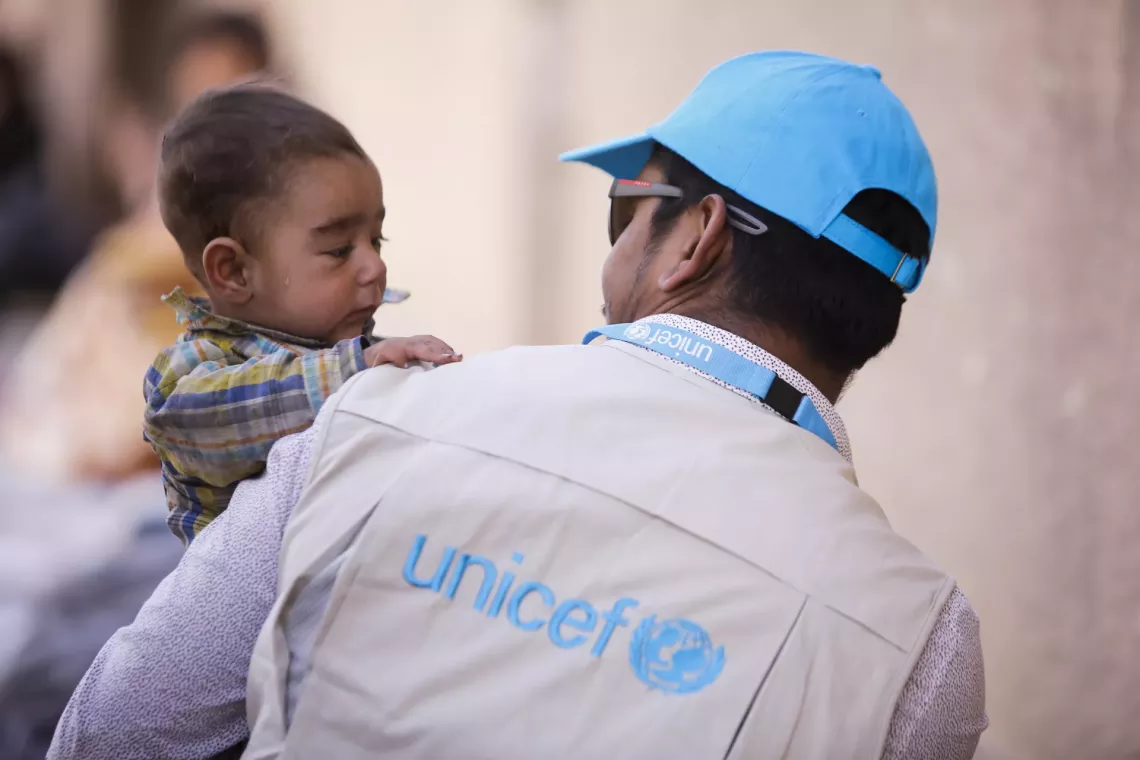
Thanks to a presence in nearly every country in the world, UNICEF is able to reach places others cannot, and thus is uniquely positioned to make a difference in the lives of children.
Frequently asked questions about the Convention
Find answers to your questions about the Convention here.
The Convention on the Rights of the Child is an international treaty that recognizes the human rights of children, defined as persons up to the age of 18 years. The Convention establishes in international law that States Parties must ensure that all children – without discrimination in any form – benefit from special protection measures and assistance; have access to services such as education and health care; can develop their personalities, abilities and talents to the fullest potential; grow up in an environment of happiness, love and understanding; and are informed about and participate in, achieving their rights in an accessible and active manner.
The standards in the Convention on the Rights of the Child were negotiated by governments, non-governmental organizations, human rights advocates, lawyers, health specialists, social workers, educators, child development experts and religious leaders from all over the world, over a 10-year period. The result is a consensus document that takes into account the importance of tradition and cultural values for the protection and harmonious development of the child. It reflects the principal legal systems of the world and acknowledges the specific needs of developing countries.
The Convention provides a common framework for evaluating progress in meeting children's human rights standards and comparing results. Having agreed to comply with the standards of the Convention, governments are obliged to harmonize their laws, policies and practices with the standards of the Convention; to make these standards a reality for all children; and to refrain from taking any measure that may prevent or violate the enjoyment of these rights. Governments are required to submit regular reports to a committee of independent experts on progress in realizing all rights.
The Convention defines a "child" as a person below the age of 18, unless the relevant laws recognize an earlier age of majority. On some issues, States are obliged to provide for minimum ages, such as the age for admission into employment and completion of compulsory education; but in other cases the Convention is unequivocal in prohibiting life imprisonment without possibility of release or capital punishment for those under 18 years of age.
What are the articles of the Convention?
Learn more about the Convention
| Back to top |
Looking for more information on the Convention on the Rights of the Child in Latin America and the Caribbean?