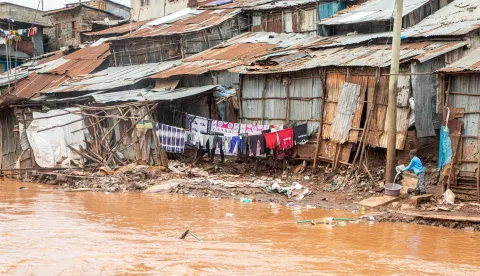
Flooding Disaster Disrupts Education, Calls for Urgent Action
Supporting schools affected by floods

As the world grapples with the escalating threats of climate change, the urgent need for immediate action is underscored by the impact of these changing weather patterns on education, disrupting learning in schools across Western Kenya counties.
During the recent rainy season from March to May, with above-average rainfall and floods, damage to school infrastructure, including the loss of textbooks, exercise books, desks, and other educational materials, and the displacement of students, has left a lasting impact on learning outcomes.
There is an urgent need to provide a safe and inclusive learning environment to ensure learning can continue in times of crisis. UNICEF Kenya is taking immediate steps to address the challenges faced by schools affected by floods in Western Kenya.
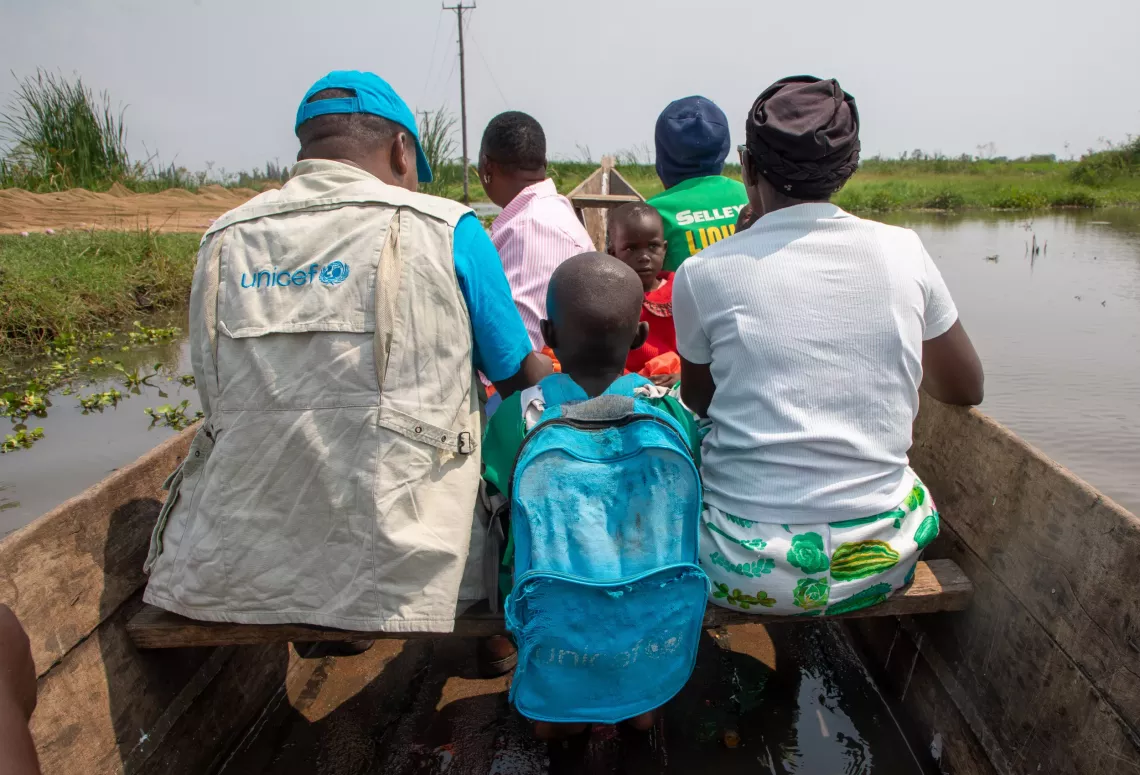
George Aringo, the head teacher of Nduru Primary, Kadibo Sub-County in Kisumu County says the recent floods affected the three neighboring primary schools were submerged in water.
"The recent floods have severely impacted neighboring primary schools, forcing us to open our doors to an additional 1,000 students from Odienya, Oseth, and Nyamurundu Primary Schools, completely submerged in water. It's a challenge, but we're committed to ensuring that these children continue their education despite the adversity," said Aringo.
Aringo noted that the first step was to accommodate the young learners and then seek infrastructure and psychological support for the increased pupil population, showcasing the remarkable resilience of the schools in the face of adversity.,
Aringo appreciated UNICEF's immediate support, including temporary learning spaces to accommodate the overwhelming number of learners, teaching and learning materials, and psychological support for affected children. Support from Ireland and Luxembourg made this MAM flood response possible.
The flooding has affected the schools and significantly strained the local communities. Parents, in particular, are expressing deep concern about the long-term impact on their safety and their children's education, highlighting the crucial and urgent need for community support.

"The parents also shifted from their homes and are living in a temporary structure at the nearby shopping center until the situation improves," Aringo noted.
UNICEF Kenya Education Officer Stanley Akine noted that UNICEF had provided immediate support to manage the increased number of learners at the school and is currently engaging partners and stakeholders on further support before the schools reopen at the end of August.
"To support schools affected by the recent floods, UNICEF is prioritizing providing age-appropriate and inclusive teaching and learning materials, including exercise books, education kits, and desks. We are also working with WASH colleagues to ensure improved access to clean and safe water, which is also a critical focus to the three affected schools, "Akine said.
Akine called for increased support from partners and stakeholders to invest in building resilient education systems equipped to handle such crises.
Akine added that the quality of education in the affected schools is likely to be compromised due to insufficient learning spaces and the lack of Water Sanitation and Hygiene facilities.
"As education partners, we urgently need to invest more in building resilient education systems prioritizing preparedness and response. This includes taking anticipatory actions, disaster risk reduction (DRR), and implementing climate smart interventions in response to the growing threats posed by climate change-induced emergencies. The time to act is now," said Akine.

According to Akine, some of the immediate actions to mitigate the crisis in the schools include providing a safe and inclusive learning environment through temporary learning spaces with mobile WASH facilities and the construction and rehabilitation of school infrastructure, including classrooms, dorms, administration blocks, kitchens, water points, and ablution blocks. Recovering learning loss through catch-up and remedial classes and ensuring access to mental health and psychosocial support services are urgently needed to enrage learners to be back and continue learning in schools.
UNICEF also promotes safe hygiene practices through Information, Education, and Communication (IEC) materials, working closely with the WASH and Health sectors to prevent potential health risks and keep schools safe.
Enhancing investment in resilient infrastructure, creating flexible education systems that can operate during emergencies, and promoting climate education and actions that empower students to be part of the solution is necessary.