Children Leading Climate Action in Mathare After Devastating Floods
Supporting children to lead climate action

In Nairobi’s Mathare settlement, child survivors of deadly floods champion climate resilience and environmental protection.
On a recent visit to Mathare, it was difficult to imagine that the bustling settlement, filled with busy markets, children at play and everyday activity, was the scene of one of the most devastating floods in Kenya in 2024.
Yet for many residents, the memories remain vivid.
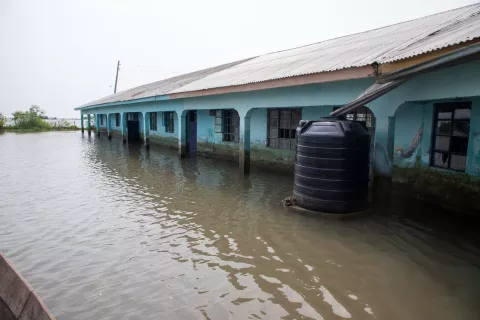
During the heavy rains, floodwaters surged through parts of the settlement, sweeping away homes and claiming lives. In 'Budalangi' village, residents recall how a night of relentless rain turned into tragedy as rising waters and debris overwhelmed a bridge, causing flooding that destroyed homes and disrupted livelihoods. Drinking water sources became contaminated, disease risks increased and many families struggled to meet basic needs, including food and school supplies.
A crisis that hit children hardest
Schools were damaged and learning was disrupted. Even today, signs of recovery are visible. In one primary school rebuilt after the floods, overcrowded classrooms highlight the ongoing challenges facing learners and teachers. Despite these difficulties, children remain eager to learn and optimistic about the future.
Climate-related disasters often have the greatest impact on children, affecting their health, education, safety and overall well-being. Floods can force children out of school, expose them to disease and remove the safe spaces they need to learn, play and thrive.
Young climate advocates are speaking out
Among those leading the call for change are three students from Mathare: Clinton, Mary Ann and Princess. The secondary school students have become climate advocates, using their experience of the floods to raise awareness about environmental protection and disaster prevention. Their message is clear: protecting the environment today can help reduce climate risks tomorrow.
One of the solutions they champion is tree planting. Trees help stabilize soil, reduce erosion and absorb rainwater, making communities more resilient to flooding and landslides. They are a simple but powerful tool for building climate resilience in vulnerable communities.
Supporting children to lead climate action
UNICEF Kenya is strengthening efforts to empower children and young people to claim their right to a clean, healthy and sustainable environment. Through initiatives that support climate education, advocacy and youth participation, children are gaining the knowledge and skills needed to become agents of change in their communities.
Environmental clubs in schools provide spaces where children can learn about climate change, develop solutions and take action. No child is too young to understand the value of the environment, nor too young to protect it. Through partnerships with universities and national judicial authorities, UNICEF helps ensure that children's voices are heard in decisions that affect their future and that they can access the protections and remedies guaranteed by law.
Building a safer future for every child
The floods in Mathare serve as a powerful reminder that climate change is a child rights issue. Climate-related disasters do more than damage infrastructure - they threaten children's opportunities to learn, play and grow up safely.
Recovery and resilience efforts must therefore put children at the centre. By investing in children's leadership, supporting climate education and strengthening community resilience, it is possible to reduce future risks and help communities adapt to a changing climate.
For young people like Clinton, Mary Ann and Princess, the vision is simple: a greener, safer Mathare where children can thrive. UNICEF will continue working alongside children and communities to help turn that vision into reality.