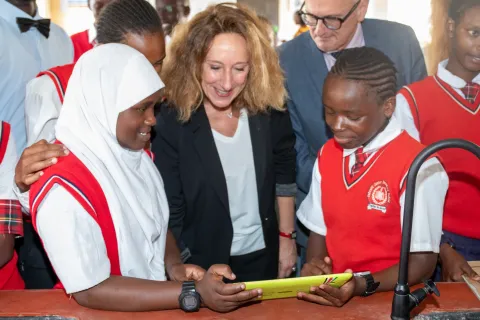
Power of the Web: Connecting schools to Safer internet, Building Responsible Digital Citizens
Enhancing learning experiences

The internet is a powerful tool for enhancing education, information and empowerment.
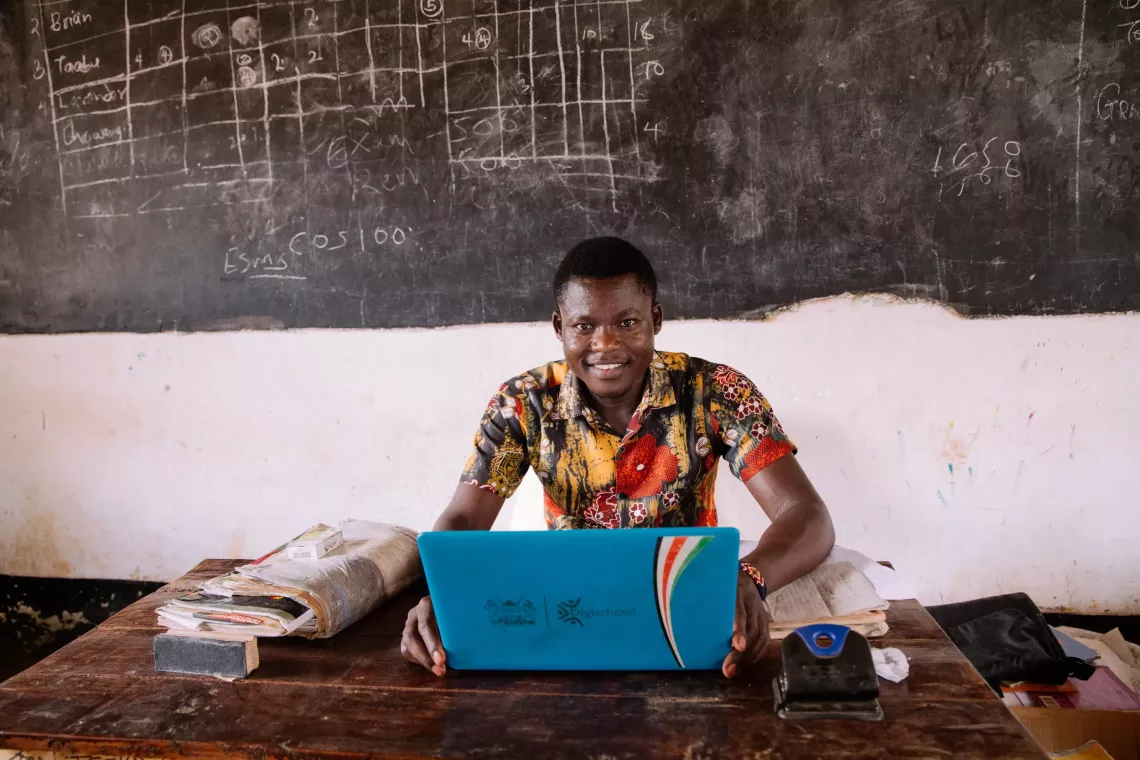
Mike Taabu teaches at Kumukuywa A.C Junior School in Bungoma County in Kenya and uses the internet to compliment his Agriculture lessons. He appreciates that internet connectivity has made the lessons more interesting for the pupils.
"Multimedia content—such as videos, simulations, and infographics—enriches lessons by offering practical demonstrations of agricultural practices, making learning more interactive, engaging, and informative," said Tabu.
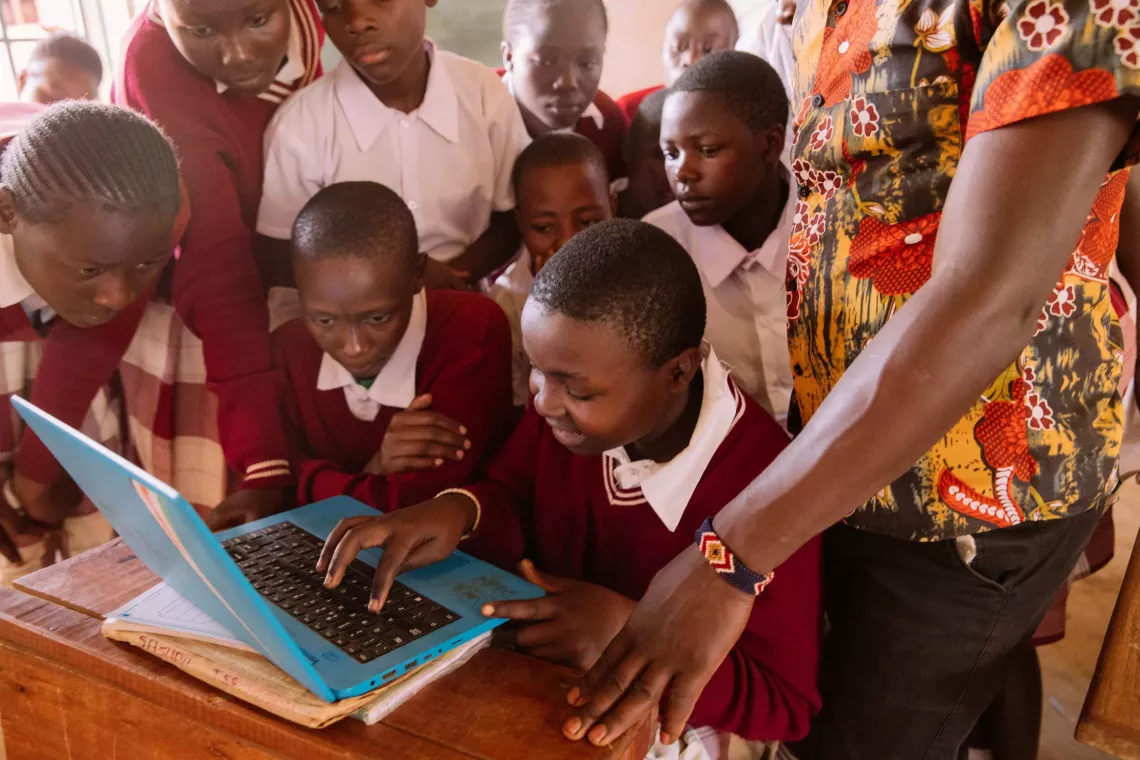
Tabu emphasizes that a stable and safer internet connection significantly enhances the ability to explain unfamiliar agricultural concepts to young learners. Since the introduction of digital classes, their enthusiasm for the subject has noticeably increased.
Serah Wafula, the headteacher at the school, highlights how the availability of internet has significantly promoted integrated learning and motivated the learners across the various levels to become more curious and participatory in class.
“Before the current internet connectivity program, the reception was limited, expensive, and we often faced periods where students had to rely on teachers’ phones, which was hardly ideal for a classroom setting,” Wafula said..
She added that to further enhance learning experiences, the school requires more tablets to ensure that the device-to-student ratio supports hands-on, practical learning.
“The internet has opened a world of opportunities, where digital competence is now an essential part of our everyday lives. I want my pupils to be fully immersed in this new world, where they have the same access to information, tools, and resources as learners anywhere in Kenya or globally. Exposing them to safe digital learning not only prepares them for the future but also ensures they are equipped to compete on an equal footing with their peers around the world,” teacher Wafula said.
UNICEF Kenya works with partners and stakeholders to ensure that children safely use the internet positively to research educational material, interact with friends and for positive forms of entertainment.
UNICEF Kenya Education Specialist Jonah Rotich notes that connecting schools to the internet through the Giga School Connectivity and European Union co-funded last Mile Connectivity of Schools (which includes Airtel) partnerships can immensely enrich learning experiences while improving the delivery methods for teachers such as Tabu and Wafula who have enhanced their digital competencies, skills, and knowledge on integrating ICT in education.
"The tablets have become an integral part of the learning experience, enhancing student engagement and expanding access to information. Computers complement traditional books by serving as research tools, allowing students to develop critical digital skills essential for the modern world. Responsible and safe use of internet is critical to protect children to inappropriate content, “ said Rotich.
According to Kenya National Examination Council – KNEC report, at the national level, the proportion of grade three learners reaching the minimum proficiency level in literacy, specifically reading in English, had previously increased from 50.81% to 66.33%. This improvement may partially be attributed to learners having more opportunities to practice independently using online platforms and available digital devices.
Safer Internet Day is a globally recognized event on 11th February that promotes a safer and more inclusive digital world. It encourages individuals, especially children, to use technology responsibly, respectfully, critically, and creatively to foster a secure and positive online environment.
The globally observed day emphasizes on a safer and better internet where everyone, including children are empowered to use technology responsibly, respectfully, critically and creatively.

Under the Giga School Connectivity Programme, UNICEF in partnership with Airtel Network provided technical, financial, and capacity building support by connecting schools such as Kumukuywa comprehensive School. In addition, Airtel has supported the zero-rating of online platforms Kenya education cloud and Elimika on their network for access by learners for free when at home.
As part of the support, UNICEF aims to integrate use of information technology in education, improving learning outcomes among students enrolled in target schools, as well as improving the overall delivery of teaching by the teachers. ICT integration enables them to improve the pedagogical skills as well as making it easy to research learning content through available zero-rated platforms as well as from the internet and other open sources.
Airtel and UNICEF support complements the Kenyan government’s Giga School Connectivity initiative, aimed at ensuring that schools are connected to reliable, safe and sustainable internet. This is aligned to the ICT in education and training policy and overall government of Kenya plans to connect all schools by 2030.
Slightly over 2,000 teachers had their skills enhanced their skills on integration of information technology into education through the re-tooling programme implemented jointly with UNICEF, MoE and the Kenya Institute of Curriculum Development (KICD). The training of teachers’ programme has complemented the results and impact of work achieved with Airtel support.
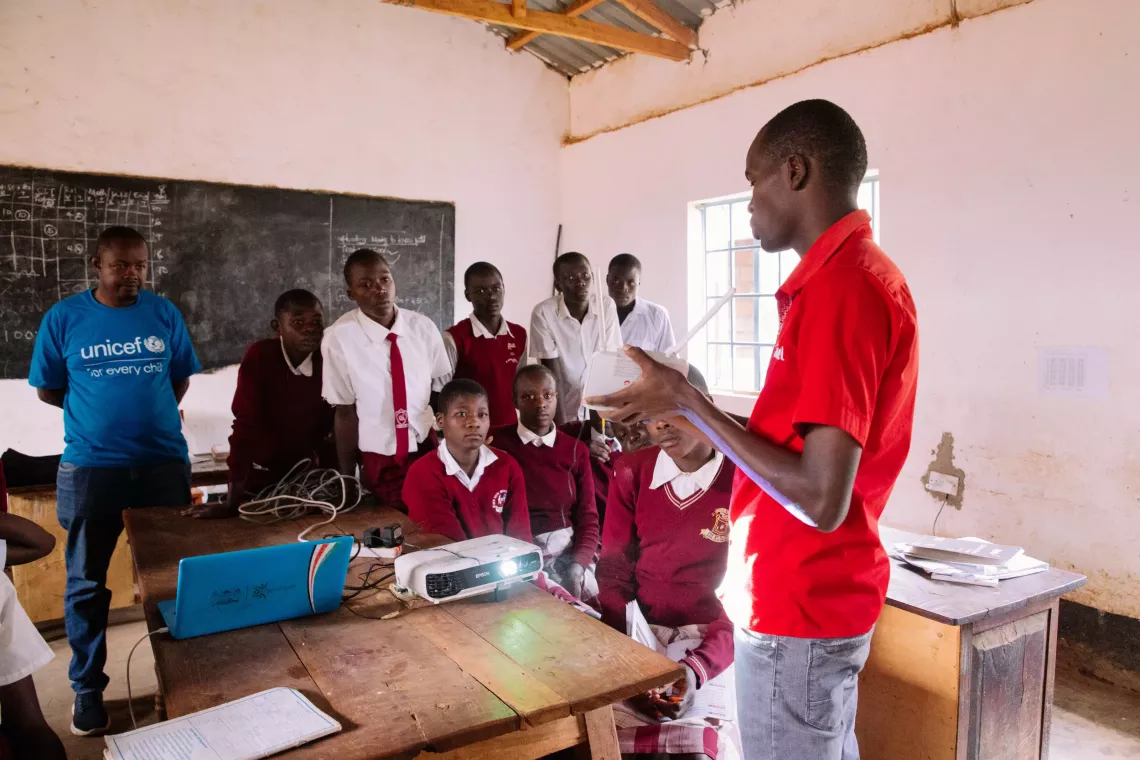
Jonah noted that the Airtel partnership and that of Giga school connectivity on the overall, will broadly complemented teaching by providing students with climate education content through the Kenya Education Cloud for learners and teachers an opportunity to enroll and undertake online courses on climate literacy or education.
For the younger learners, UNICEF Technology for Development Officer Moses Rono, the partnership also involves keeping the children safe as they interact with the global world.
“We have also taught children about digital citizenship and responsible internet use, empowering them to navigate the online world safely. Additionally, service providers have installed content filters to block inappropriate websites, ensuring a safer browsing environment,” said Rono.
UNICEF Kenya with support from Safe Online and the European Union have supported child online protection. This has seen the generation of key evidence materials such as the disrupting harm study 2021 and Secondary Analysis 2023 that have shaped Child Online Protection interventions in Kenya. UNICEF has engaged the Ministry of Education and is currently developing Online self-paced online safety modules for parents, teachers and learners in its efforts to combat online harm against children.
UNICEF Kenya Child Protection Officer Sammy Chale, shared tips for parents and guardians to build trustworthy and positive relationships with their children to support them navigate the internet safely.
“Children have the right to be protected online and enjoy safer internet away from harmful online content,” said Chale. He shares tips for parents to keep their children safe online including creating awareness on cyberbullying and how to report online abuse and exploitation to Toll Free Hotline number 116.
"Be vigilant and never share personal information such as your name, age, location, school, or home details with anyone you don't know. Children should also never meet online strangers in real life or accept friend requests, emails, or rewards from suspicious sources,” Chale said.
Schools have also been encouraged to cultivate a culture of supervision and mentorship where teachers are stewards to ensure that pupils use the internet positively to research educational material, interact with friends and for positive forms of entertainment.
Personal discipline and self-regulation play a crucial role in ensuring that pupils safeguard their online reputation by posting content that is respectful, responsible, and free from harm to themselves or their peers.
Jonah noted that the EU- co funded ongoing project “Last Mile Connectivity of Schools” will address challenges such as limited internet access to few classes and the network failing to cover all classes. He noted that this will be expanded through additional routers and technologies to achieve wider reach.
Teacher Tabu agrees that as education evolves in the digital age, this provides the young learners with immense advantages and opportunities, preparing them to a connected world.