Clean Toilets, Brighter Futures: How STEP is Transforming Schools in Kitui
Improving school hygiene

"Health comes from cleanliness, and cleanliness comes from us," says 14-year-old Victor Ngove, standing proudly at St. Marks Makutano Comprehensive School in Kitui County.
Just a few years ago, the school toilets were a place children dreaded. "The smell was unbearable, flies everywhere. You didn't even want to go inside," Victor recalls with a twist of his nose. Students fell ill from hygiene-related infections, and cleaning toilets was seen as a punishment. The stench lingered on clothes long after visiting the cubicles.
Everything changed with the introduction of the School Toilet Enhancement Programme (STEP), a partnership between UNICEF and LIXIL through the Make a Splash! initiative. The school now has easy-to-clean, odor-free toilets and handwashing stations with running water and soap. There are private spaces for girls and disability-friendly cubicles with ramps and stools. The old pit latrines, once the source of fear and discomfort, have been replaced with modern facilities that are safe and welcoming.
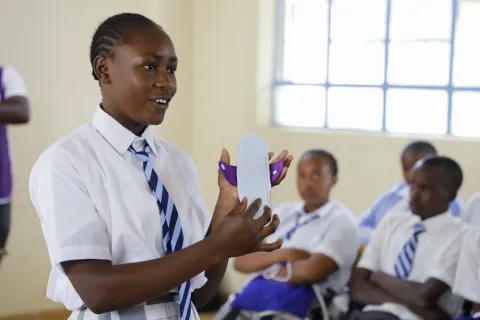
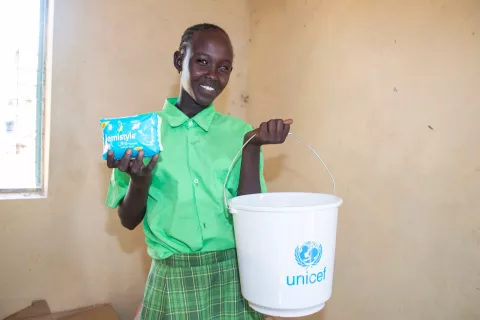
STEP goes beyond improving infrastructure. It strengthens school Water, Sanitation, and Hygiene (WASH) systems, trains teachers, students, and Boards of Management in operations and maintenance, and promotes menstrual hygiene management. Hygiene clubs encourage behavior change and foster a sense of ownership among students.
The impact is visible everywhere. Cases of diarrhea and stomach aches have dropped. Fewer children miss school due to hygiene-related illnesses, and parents are enrolling younger children, confident that the school is now a safe, healthy environment. Enrollment at St. Marks Makutano jumped from 376 to 488 in a single term. Girls feel confident during their periods, and children with disabilities use the toilets with dignity.
Victor, chairperson of the student Health Club, ensures the toilets are cleaned three times a day and handwashing stations are always stocked. Ann Kyalo, the club's treasurer, demonstrates proper toilet use and handwashing with a mix of pride and precision: "We flush first to make sure it's clean, then flush after. We always wash our hands with running water and soap."

Beyond hygiene, the club plants trees, tends a small kitchen garden, and even makes soap to fund cleaning supplies. These activities teach students responsibility, business skills, and awareness of nutrition and climate change.
The ripple effect extends beyond the school gates. Children carry lessons home, inspiring parents to improve sanitation. Since January, 35 households have installed SATO pans—affordable, easy-to-clean toilet systems—reflecting a broader shift toward better hygiene. "During school assemblies, the Health Club reminds learners about clean toilets and encourages them to share these practices with their families," Ann explains.
A Countywide Transformation
Across Kitui County, similar transformations are unfolding. At Ndonguni Comprehensive School, children once queued for a single filthy toilet per gender, with flies buzzing and no privacy for girls or children with disabilities. Today, four clean, inclusive cubicles with running water and soap stand in their place.
Samuel Kibali, Health Club secretary, beams: "Safe toilets and clean water help us stay healthy. We organize cleaning schedules—washing in the morning, fetching water in the evening."
Parents visiting the schools are impressed and inspired. They used to hesitate to send their young children, thinking the latrines were too dirty. But now more young children are coming—at Ndonguni, seven new admissions were reported in just a week.
This positive shift is rippling through the wider community. "Learners are taking the good sanitation practices they see here back to their homes. It's influencing and triggering the community to improve their own sanitation situation," one teacher explains. Even a nearby church, after witnessing the transformation at local schools, has begun upgrading their own toilet facilities. What started as a school sanitation project is now sparking a wave of healthier and cleaner communities, demonstrating the strong potential of a school-community-linked sanitation approach.

Building Sustainable Change
Between 2023 and 2025, the STEP program enhanced school sanitation across Kitui County, benefiting over 14,000 students. In 2023 and 2024, sanitation facilities in 30 schools were improved to be clean, safe, gender-segregated, and disability-friendly, serving 9,306 schoolchildren. In 2025, the initiative extended to Kitui East, improving conditions for an additional 5,336 students.
Throughout implementation, Board of Management members were trained on hygiene promotion, operations and maintenance of WASH facilities, including proper use of capitation funds. Health club members and their teacher patrons received training on hygiene and sanitation practices, including menstrual hygiene management, and were guided on how to initiate and sustain health clubs in their schools.
Justina Pereira, Kitui County's School WASH Focal Person, highlights the program's value: "STEP is practical, cost-efficient, and scalable. Its ease of implementation and rapid results make it an effective model for improving school hygiene and promoting community-wide sanitation."
For Victor, the changes are deeply personal. "I want every school to have toilets like ours," he says. "So children can learn in a clean, safe place and understand why hygiene is important."
STEP has now been integrated into UNICEF's broader WASH in Schools Programme, reaching 113 additional schools in six counties and providing 24,382 children with access to safe sanitation.

Seeds of Change
Beyond the numbers, the program has transformed lives. Victor shows off the calabash grown in the Health Club's garden. Ann demonstrates handwashing with care and pride. Samuel and his younger peer, Susan Kennedy, stand beside sparkling new toilets at Ndonguni. Together with UNICEF officers, they plant trees and care for their school grounds, turning sanitation into a lesson in responsibility, health, and environmental stewardship.
What started as a program to renovate toilets has grown into a movement. Children are not only healthier but are ambassadors of change, inspiring families and communities to prioritize hygiene. Schools in Kitui are becoming platforms for healthier, cleaner villages—proving that clean toilets aren't just facilities. They're launching pads for brighter futures.