How toilets are saving lives in Nairobi’s informal settlements
Providing access to basic sanitation services

Urbanization is rapidly taking place in Kenya. By 2030 more than 60 per cent of the country’s population will live in towns and cities, say estimates.
The migration to urban areas will increase pollution levels and generate larger amounts of solid waste and wastewater.
However, only 35.6 per cent of Kenya’s urban population has access to basic sanitation services, while wastewater treatment and fecal sludge transport and treatment services are largely inefficient.
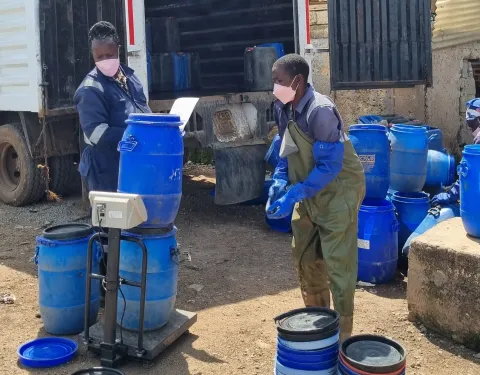
This is why UNICEF Kenya is working with USAID, the Embassy of Sweden and the Sanergy Collaborative to provide safely managed sanitation solutions to 170,000 currently living people in Nairobi’s Mukuru and Mathare informal settlements.
Under the effort, UNICEF and its partners aim to deliver transformational change in the sanitation sector through the promotion of container-based safely managed sanitation services.
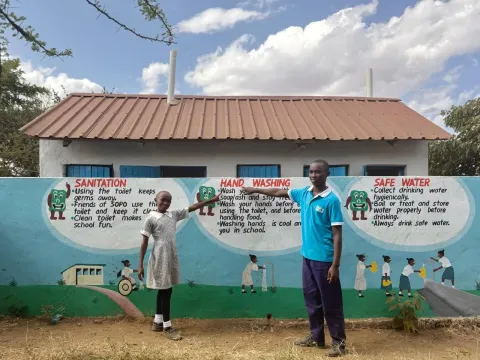
Mahboob Bajwa, UNICEF chief of water, sanitation and hygiene (WASH) says exposure to faecal matter contaminates food, water, and the environment, and can spread deadly diseases, such as cholera.
“Poor hygiene practices not only hinder cognitive development in children, but can also be a leading cause of child morbidity, stunting and mortality. Lack of sanitation can also be a barrier to individual prosperity and dignity.”
Sanergy’s Fresh Life Toilets serve over 120,000 urban residents in Nairobi’s informal settlements every day.