The Invisible Toll
Rising debt, shrinking aid and Kenya’s children

Highlights
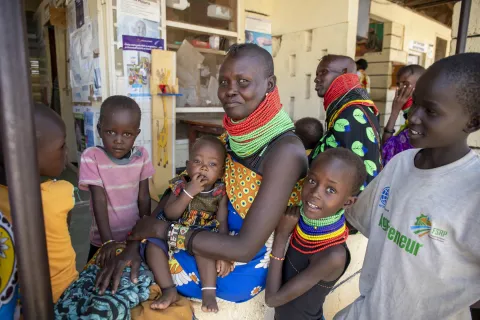
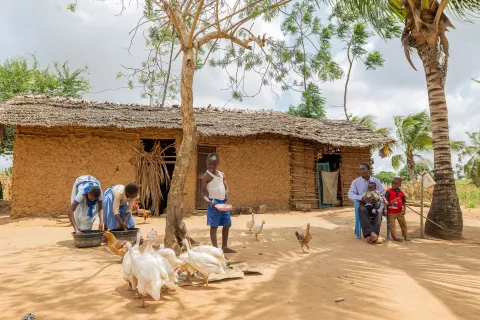
Kenya’s 22 million children, two in every five Kenyans, rely on public clinics, schools, nutrition programmes and cash transfers. This joint report by the National Treasury, the State Department for Children Services and UNICEF Kenya asks a simple question: what happens to these services when public finances are under strain?
The squeeze is real. More than half of the government’s revenue now goes to servicing debt, development aid has fallen by about a third since 2020, and tax revenue has not grown as a share of the economy.
Budget cuts hurt, but late money is the biggest risk. An approved budget helps children only when the cash arrives on time. The report finds county transfers swinging sharply from month to month, and more than 70 per cent of sampled health facilities waiting for operating funds, often for over six months. When cash is late, vaccines, nutrition support and social assistance are put at risk.
Children are already vulnerable. More than half (55.3 per cent) face multiple deprivations, up from 45 per cent in 2014, even as the economy grew. The report does not claim that debt directly harms individual children, but it shows clear pathways through which fiscal stress raises their risks, especially for the poorest.
The message: fiscal discipline and protecting children go hand in hand. The report sets out practical steps. These include protecting cash releases for child-critical services, setting a costed social spending floor, paying social assistance on time, tracking child spending in the budget and planning early for falling aid, so that every shilling approved reaches children when it is needed.