A Climate-Responsive Nutrition Agenda
UNICEF Kenya’s 2025–2030 Theory of Change

Highlights
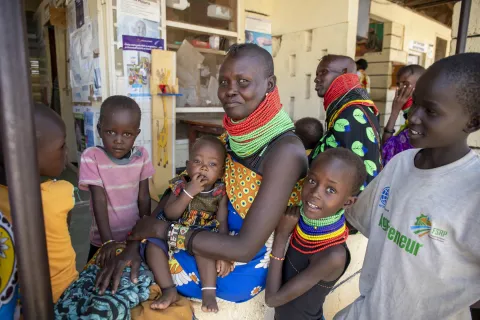
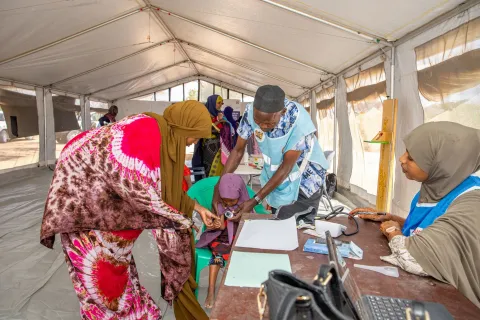
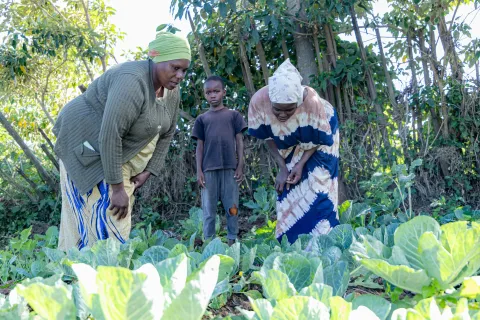
Child malnutrition in Kenya is aggravated by climate change and climate shocks which disrupt food systems, weaken nutrition services, and undermine optimal nutrition practices. Addressing this challenge and protecting children’s nutrition in the face of increasing climate pressures requires adaptation in the systems that deliver services to children. The Climate-Responsive Nutrition Agenda highlights the impacts of climate change and climate shocks on child nutrition in Kenya. It lays out UNICEF Kenya’s strategy to reduce children’s vulnerability to climate and environmental risks, focused on three key areas: diets, services, and practices. Our goal is to ensure that all children, particularly the most vulnerable, have access to nutritious, safe, affordable, and sustainable diets. Additionally, we aim to maintain essential nutrition and social services, alongside promoting optimal feeding and nutrition practices.
Download the Climate-Responsive Nutrition Agenda to learn more.