

Child Protection
Protecting children from violence, abuse, exploitation and neglect
Situation
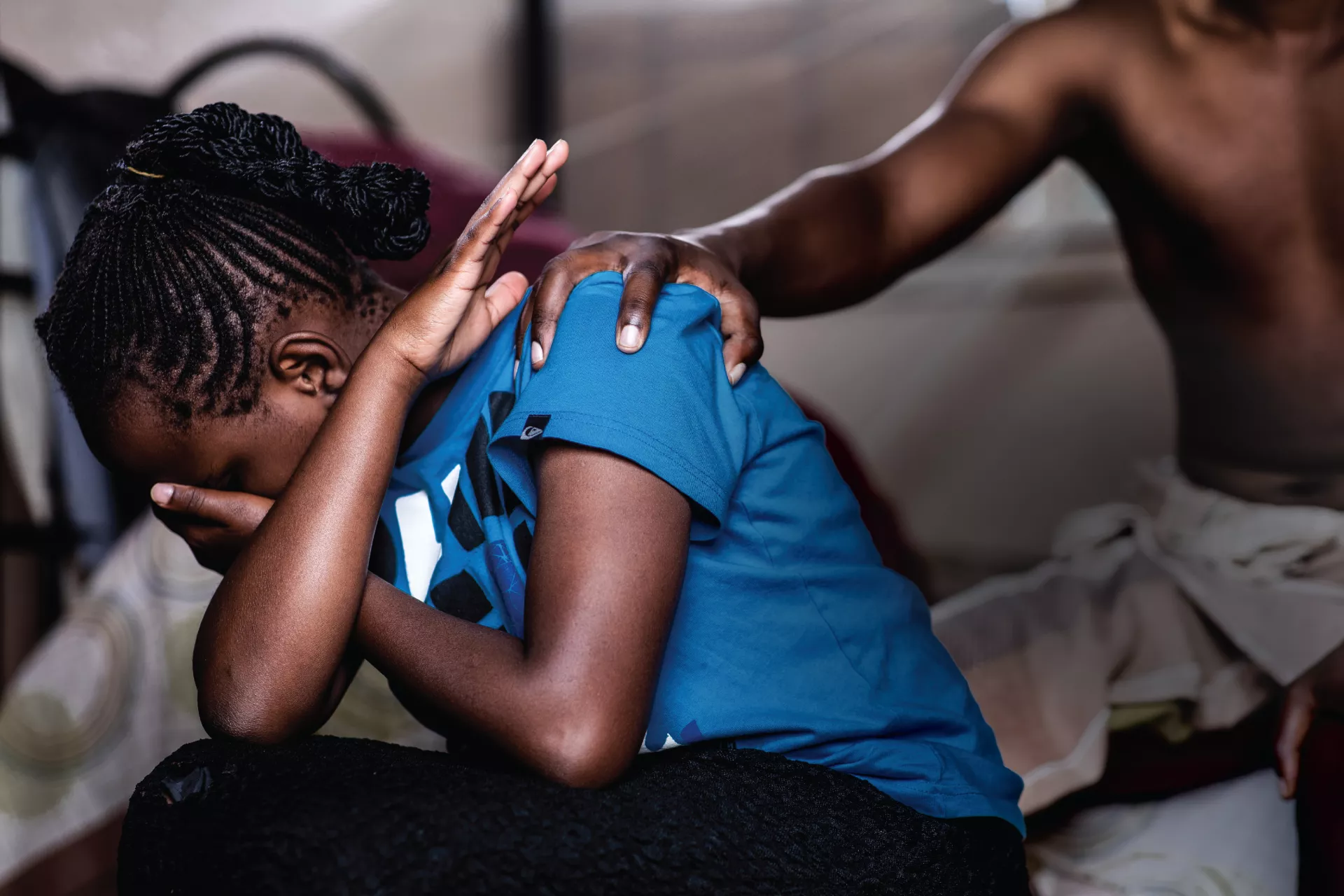
In Kenya, the Government has developed and adopted policies and enacted laws to protect children. However, thousands are still exposed to violence and abuse, harmful practices, lack of parental care and sexual exploitation. Children also face specific risks during and after emergencies such as floods, droughts, conflicts or epidemics. An emerging threat for children is online abuse and exploitation.
Around one in two young adults in Kenya experienced violence as a child, according to the 2019 Violence Against Children Survey, implemented by the Ministry of Labour and Social Protection. This found that 46 per cent of 18 to 24-year-old women faced at least one type of violence – physical, emotional or sexual – during their childhood, as well as 52 per cent of young men in the same age group. The prevalence of child marriage among girls stands at 23 per cent.
UNICEF's response
The Government has developed a strong legal and policy framework to protect children. The 2010 Constitution of Kenya (Article 53) recognises the right of all children to be protected from abuse, neglect, harmful cultural practices, all forms of violence, inhumane treatment and punishment, and hazardous or exploitative labour.
UNICEF is working with the Government of Kenya to increase protection for children and adolescents from violence, exploitation and abuse, as well as harmful cultural practices. We are ensuring children have improved access to prevention, care, support and justice services required for their physical, mental and social well-being. We are also working together to equip frontline child protection workers with the skills and tools they need to provide these services. We are developing family-based alternatives for children in institutional care, including reintegrating them with extended family or with foster families.
Furthermore, we work with children, families and communities to ensure that they are able to reject harmful practices, respond to violence against children, discourage family separation and adopt positive social norms.

UNICEF provided protection services to over 168,000 children experiencing violence in 2025.

23,000 children and caregivers received metal health and spychosocial support.

In 2025, 10,637 girls and women received protection and support services for FGM.

UNICEF advocacy led to a 400 per cent increase in emergency child protection funding.