

Ensuring the Best start for every child in Kazakhstan
National Conference on Early Childhood Development and Pre-school Education
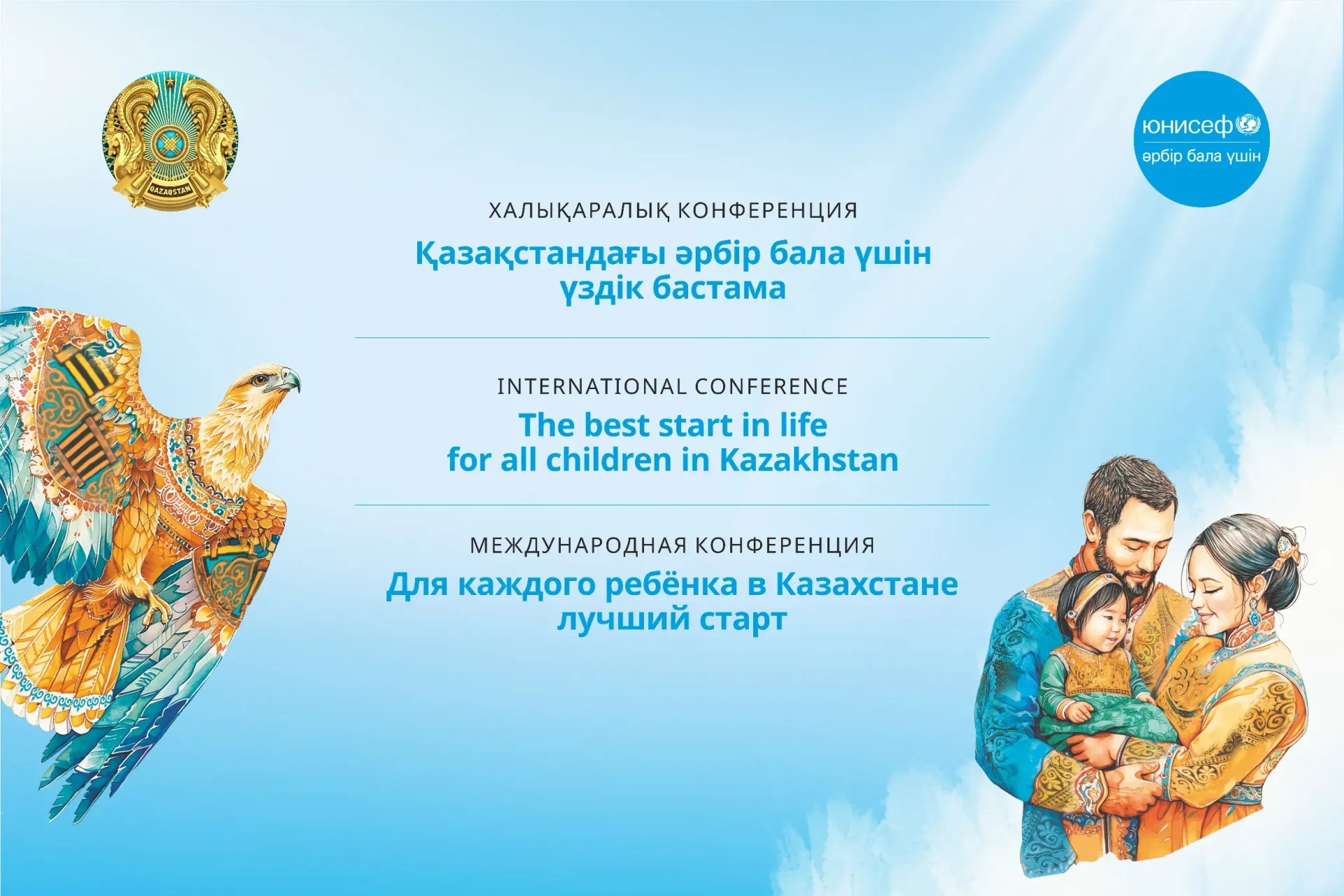
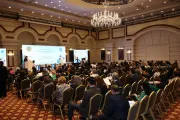
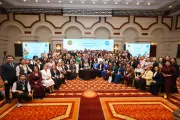
The National Conference on Early Childhood Development and Pre-school Education in Kazakhstan brought together leading national experts, government officials, and practitioners to discuss progress, share experiences, and plan strategies that improve outcomes for children and families during the early years. The Conference offered a chance to look at achievements so far and guided future actions to make sure every child in Kazakhstan has the best start in life.
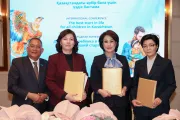
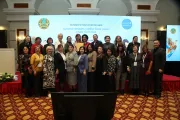
The Conference was jointly organized by the Ministry of Education of the Republic of Kazakhstan in partnership with UNICEF. Participants included the ministers of education, health, labour and social protection; representatives from the World Bank; and government officials, international experts, and researchers from Australia, Ireland, Türkiye, Malta, Moldova, and the United Kingdom.
The first years of life from birth to the age of entering school, but also the first 1000 days - from pregnancy to a child's second birthday - are a time of endless opportunity and determine a child’s health, learning, and overall well-being. Proper nutrition, care, and stimulation during this period not only ensures a child's survival but also determines their ability to grow, learn, and reach their full potential. Investments in early childhood development (ECD) during this critical phase yield long-term benefits for individuals and societies, contributing to improved health, productivity, economic stability, and social cohesion. Children need love, attention, and support from parents and caregivers, along with strong systems in health, education, and social protection. Children who grow up in safe, stimulating, and supportive environments tend to be healthier, learn better, and have a brighter future.



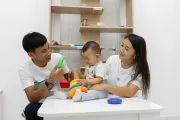
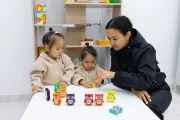
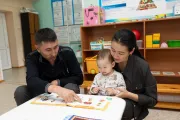
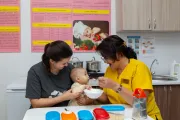
Kazakhstan is home to more than 6.7 million children, including 1.6 million under the age of three. One in ten children under 3 requires early intervention to ensure their full growth, health, and development. In 2023, there were 137,434 children ages 6-18 years with disabilities registered in Kazakhstan. In the 2023-2024 academic year, 38 percent of all registered children with disabilities (52,655 children with disabilities) were enrolled in secondary education institutions.
Despite significant strides have been made by the country in expanding access to ECCE, according to recent MICS only 68.7% of children aged 3 to 5 years attend early learning programs. This highlights the need to address barriers faced by over 30% of children who are still missing out on early learning opportunities.
Since 2023, 171,000 new preschool enrolment slots have been created, with around 130,000 more expected by 2027. High-quality early childhood and preschool programmes can reduce the education gap by up to 40 per cent between children from low- and high-income families.
Growing evidence highlights the crucial role of quality parenting in supporting children’s well-being and fostering their emotional, social, and cognitive development. Positive parenting not only nurtures children’s growth but also helps families cope with challenges and contributes to resilient communities.
Parents in Kazakhstan need strong systems of support that address inequalities, respond to children’s and caregivers’ needs, and prevent neglect or harm.
Throughout the country, evidence-based interventions are being implemented to strengthen systems, provide caregivers with guidance and resources, and promote practices that support children’s healthy development. During the conference, participants collectively explored initiatives centered on, early interventions during first years of life, cross-sectoral cooperation, professional development, parenting support programs, quality pre-school education and innovative approaches to early childhood education and care.




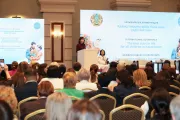
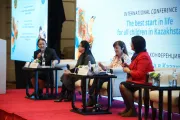


Many children in the region do not yet have access to early learning, play materials, or responsive care at home. To address these challenges, countries are developing programs and policies that help every parent get the guidance, skills, and support needed to raise happy, healthy children.
At the Conference, participants focused on ways to improve early childhood development and education through:
- Role of the health in supporting nurturing care for optimal development of all children– To grow and develop optimally, children need to receive nurturing care. This means that they enjoy adequate nutrition and good health, feel safe and secure, responsive caregiving and have opportunities for learning starting from birth. The role of the health sector is important to address the needs of newborn babies and children below age 3. 1000 days are critical for the child’s brain development and nurturing care at home has its advantages to child’s growth and development.
- Integrated delivery of health, education, and social welfare sectors on early years agenda – Provision of intersectoral support to families with young children including those who develop differently, monitoring child’s development, developmental pediatrics and scale up of positive practices will lay out the basis for the progressive human capital. Investing in high-quality early childhood interventions and parenting programmes offers countries a transformative pathway to boost survival rates, physical growth, and health outcomes; strengthen cognitive abilities, school readiness, and foundational skills such as literacy, problem-solving, and socioemotional resilience; and break cycles of inequity by improving adult productivity, wages, and nutrition while fostering societal prosperity, gender equality, and social cohesion.
- Equitable access to pre-school education– the equitable access to quality pre-schools will ensure modern methods of financing and addressing different needs of children by making them disability inclusive and rights-based suggesting diversified models of pre-school provision. The pre-school education sector should be also informed by the global practices in strategic planning, quality assurance, evidence and new technologies.
The Conference also provided a platform to:
- To learn from the latest evidence on ECD including economic dividends and family friendly policies in support of families by investing in early childhood care and education;
- To strengthen health, social welfare and education systems to better deliver on the early years agenda in Kazakhstan by studying new approaches to financing, nurturing care, monitoring child development and early support for children, access to quality inclusive preschool education;
- To present national plans and successful practices and approaches for further scaling in the country;
- To adopt the Astana Call to Action and an inter-sectoral complex plan with the main strategic directions regarding ECD and pre-school education in Kazakhstan ensuring full early development and education for all children in the future.
“By investing in the early years of life, we invest in the future of Kazakhstan,” said Dr. Rashed Mustafa Sarwar, UNICEF Representative in Kazakhstan. “It is time to unite efforts across all sectors and bridge regional disparities in access to quality preschool education and early development programmes, so that all children – regardless of where they are born – have the opportunity to reach their full potential.”
Day One: Focused on national policies, health, and inter-sectoral coordination to create strong systems for early childhood development, the ministers of health, education and social protection signed the inter-sectoral complex plan “Satti Bastau”. Participants discussed the role of the health, education, and social protection sectors and explored strategies for supporting families and children during the early years including early interventions, parenting and child developmental monitoring.
Day Two: Highlighted practical approaches, innovation, and inclusion in early childhood education. Sessions addressed equitable access, inclusive practices, workforce development, and future trends in early childhood learning, use of technologies and on-line safety. The day concluded with the adoption of a national Call to Action for early childhood development by the conference participants.

See both Conference Days on
UNICEF Kazakhstan YouTube Channel
Key Outcome of the Conference
The key outcome of the National Conference on Early Childhood Development and Parenting in Kazakhstan was the adoption of the Astana Call to Action and signing the inter-sectoral complex plan “Satti Bastau”.
These documents provide a comprehensive national roadmap for advancing early childhood development and pre-school education in Kazakhstan. They outline essential commitments to ensure equal access to services, strengthen cross-sectoral cooperation, support parents, enhance professional qualifications, introduce innovative preschool models, and establish sustainable financing.

Conference Participants and Keynote Speakers
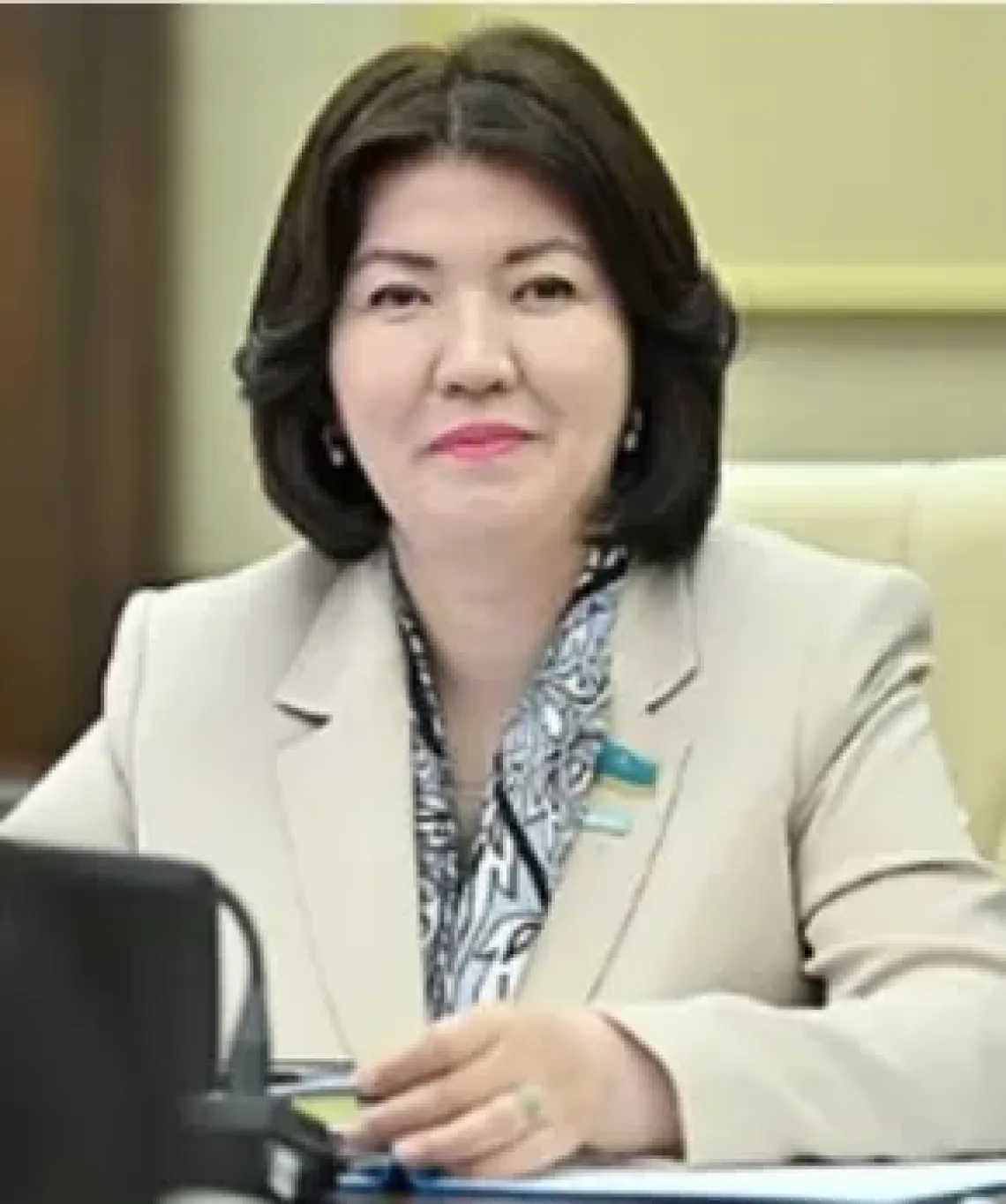
Zhuldyz Sulemenova was appointed Minister of Education of the Republic of Kazakhstan in 2025. She holds a PhD and is a graduate of Al-Farabi Kazakh National University. Before her appointment, she served as a Deputy of the Mazhilis of the Parliament of the Republic of Kazakhstan, where she actively participated in shaping national education and social policy. Zhuldyz Suleimenova is the author of the Law on the Protection of Women's Rights. She is a member of the National Commission on Women’s Affairs and Family and Demographic Policy under the President of the Republic of Kazakhstan. Earlier in her career, she held academic and leadership positions at Al-Farabi Kazakh National University, the Kazakh State Women’s Teacher Training University, and the International Academy of Business. She also worked as Director of the Development Department at Nazarbayev Intellectual Schools.
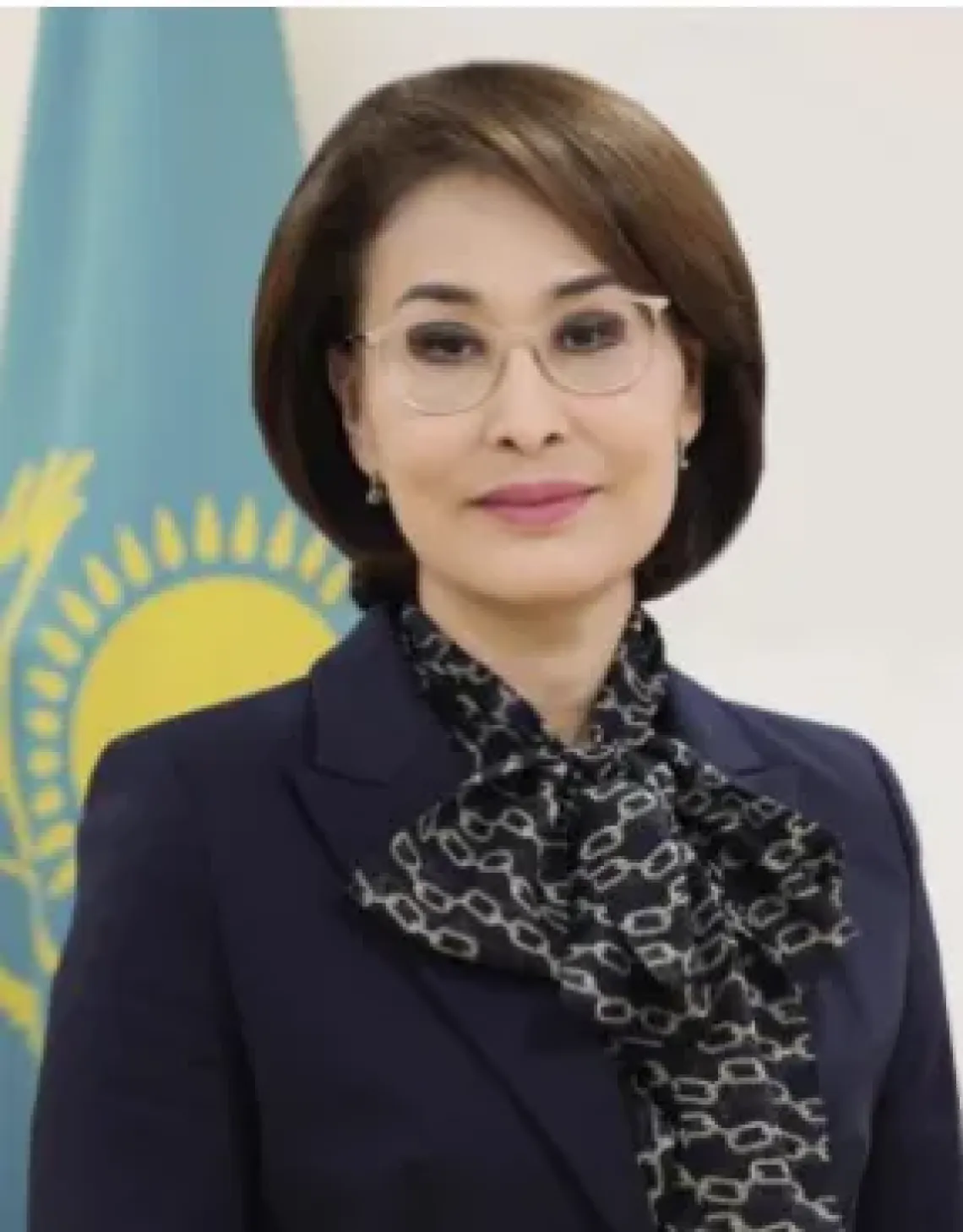
Akmaral Alnazarova was appointed Minister of Health of the Republic of Kazakhstan in 2024. She holds a degree in Pediatrics from the Almaty State Medical Institute and is a Doctor of Medical Sciences. Her career began as an emergency room physician at the Kyzylorda City Children’s Hospital. She went on to serve as Chief Physician of the Regional Children’s Hospital and later as Head of the Health Department in the Kyzylorda Region.
From 2020 to 2024, she served as a Deputy in the Senate of the Parliament of the Republic of Kazakhstan, where she contributed to national policy development in the field of healthcare.
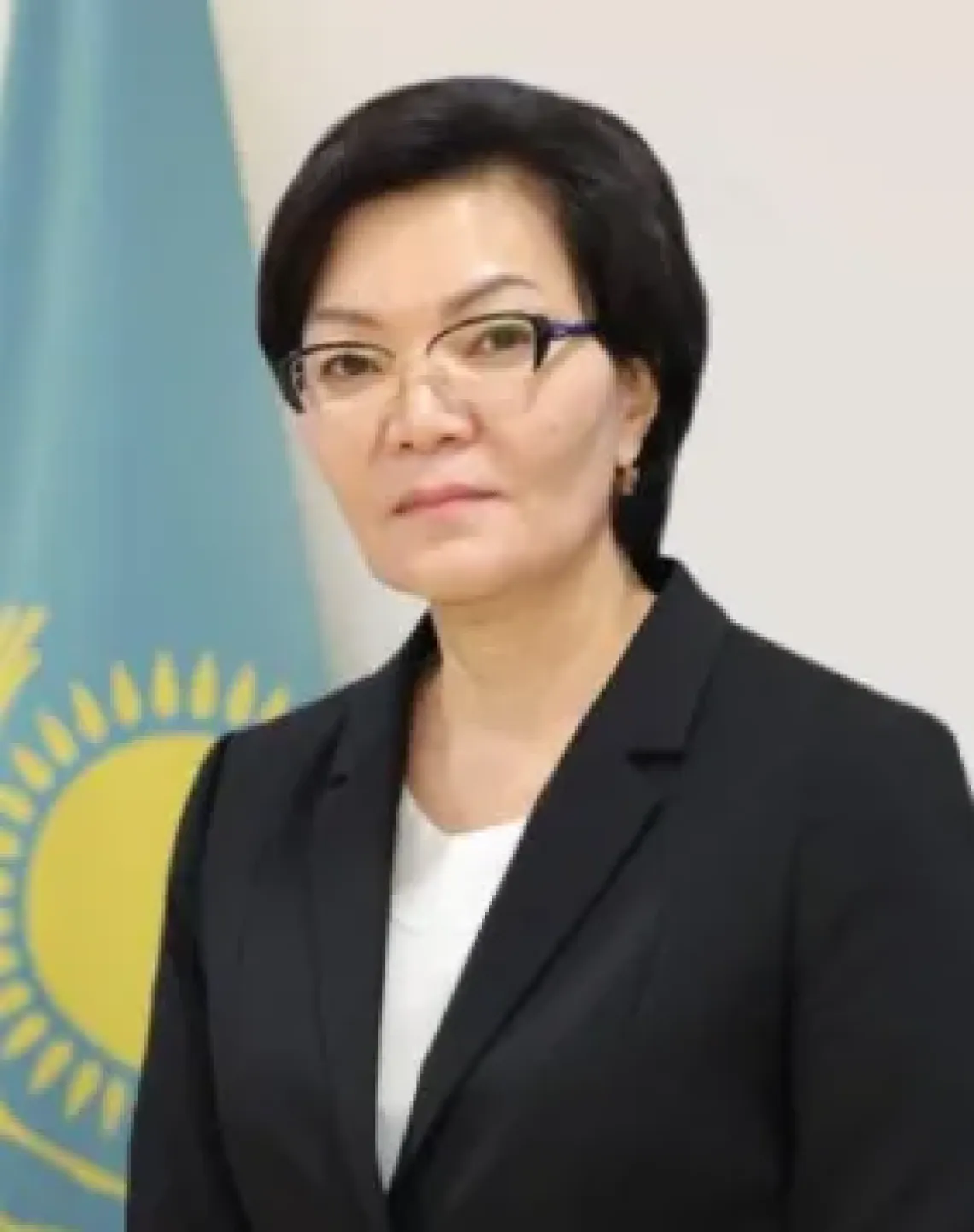
Svetlana Zhakupova was appointed Minister of Labor and Social Protection of Population of the Republic of Kazakhstan in 2023. She graduated from the Tselinograd State Pedagogical Institute and the Almaty Academy of Economics and Statistics.She began her professional career in the field of education, after which she continued her career at the Republican State Budgetary Enterprise "State Center for Pension Payments". Subsequently, she held various leadership positions in the Ministry of Labor and Social Protection of Population.
Svetlana Zhakupova is the Commissioner for the Rights of Socially Vulnerable Categories of the Population of the Republic of Kazakhstan, actively promoting the policy of social inclusion, ensuring equal access to services and protecting the rights of citizens in a vulnerable situation.
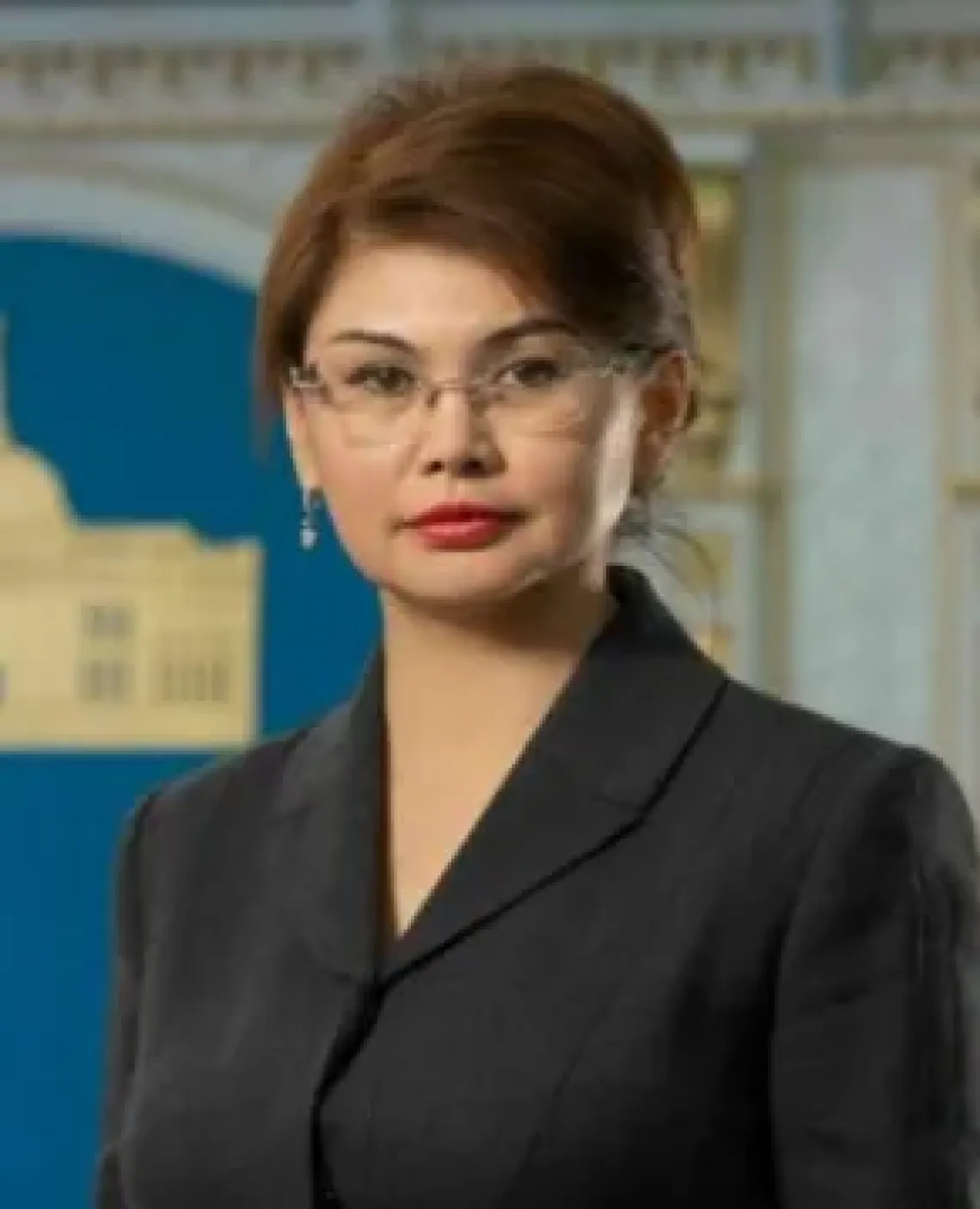
Aida Balayeva was appointed Minister of Culture and Information of the Republic of Kazakhstan in 2023. She graduated from Almaty State University named after Abay with a degree in "teacher of Russian language and literature", and the Kazakh National Agrarian University with a degree in "jurisprudence". She is a candidate of sociological sciences.She began her professional career in the field of domestic policy, worked in the structures of the akimats of Almaty and Astana, the Presidential Administration, and also headed the Ministry of Information and Social Development.She has extensive experience in the field of communications, public policy and cultural initiatives. Aida Balayeva actively promotes issues of media space development, preservation of cultural heritage and international humanitarian cooperation. Since 2022, she has been the Chairperson of the National Commission on Women's Affairs and Family and Demographic Policy under the President of the Republic of Kazakhstan.

Dinara Zakiyeva was appointed Commissioner for Children’s Rights of the Republic of Kazakhstan in 2023. She previously served as a Deputy of the Mazhilis of the Parliament from 2021 to 2023. Before that, she led the corporate fund “Kamkorlyk Kory.” She is a graduate of institutions in Kazakhstan, China, Russia, and the UAE. She holds advanced training in human rights and child protection. Over her career, she has worked to strengthen legislative and institutional safeguards for children and vulnerable groups.In her current role, Zakiyeva spearheads legal reform and systemic change aimed at preventing violence, expanding family support infrastructure, and ensuring children’s access to protection and assistance across Kazakhstan.
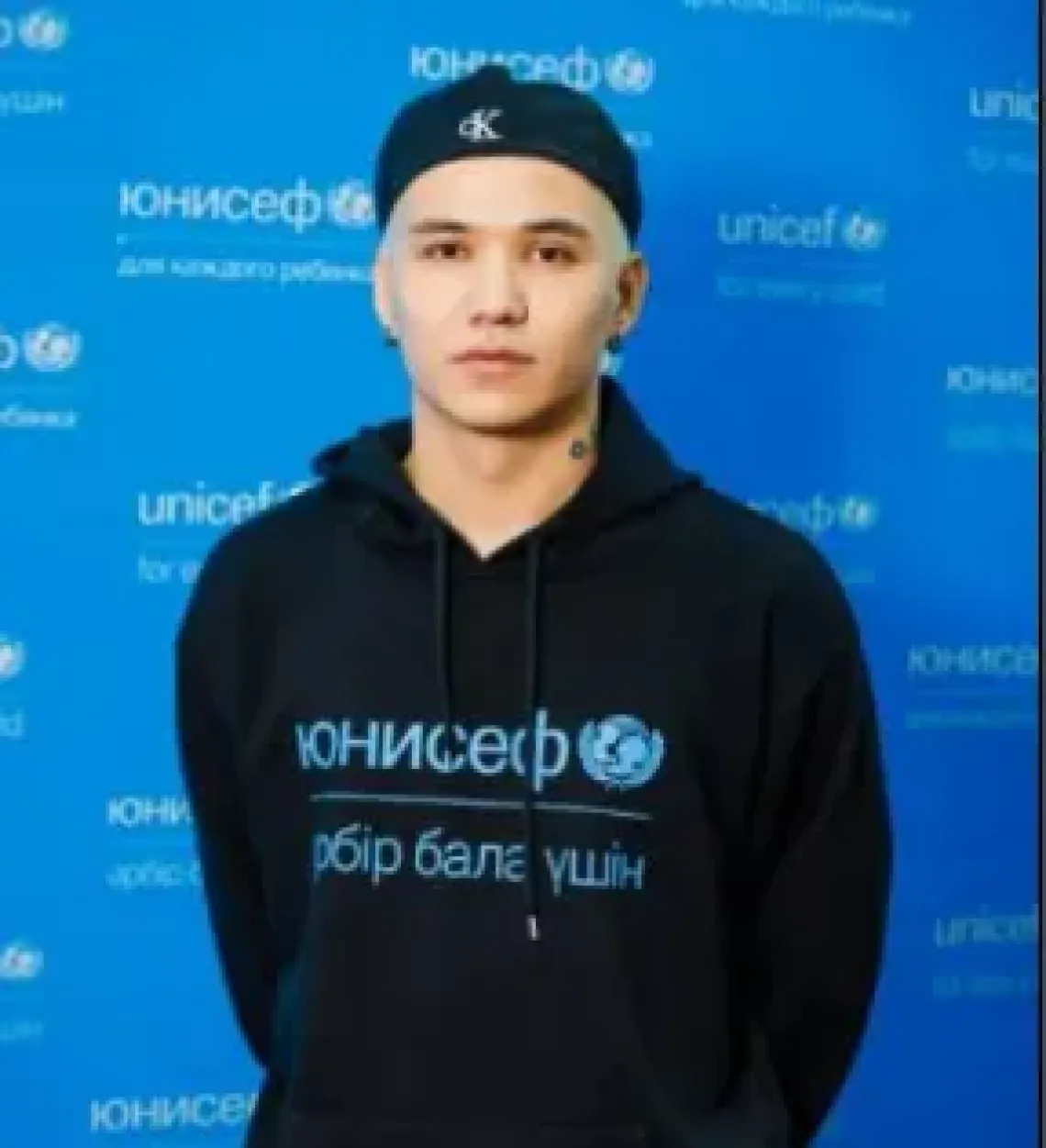
Batyrkhan Malikov — known by his stage name Alem — is a Kazakh vocalist, composer, and one of the lead members of the pioneering Q-pop band Ninety One. Born in Uchkuduk, Uzbekistan, he and his family later moved to Kazakhstan, where he developed his musical career. He graduated from the Academy of Culture and Fine Arts in Chelyabinsk, Russia. Alem is widely recognized as the main vocalist and composer for Ninety One, contributing to shaping the sound and identity of Q-pop — a fusion of Kazakh cultural expression and modern pop music trends. He has been a finalist on the TV show The Voice of Kazakhstan and has participated in international music competitions across Europe and Russia. In addition to his musical career, Alem actively participates in social and cultural initiatives, advocating for self-expression, tolerance, and the acceptance of diversity in society. He is an ambassador of UNICEF in Kazakhstan.
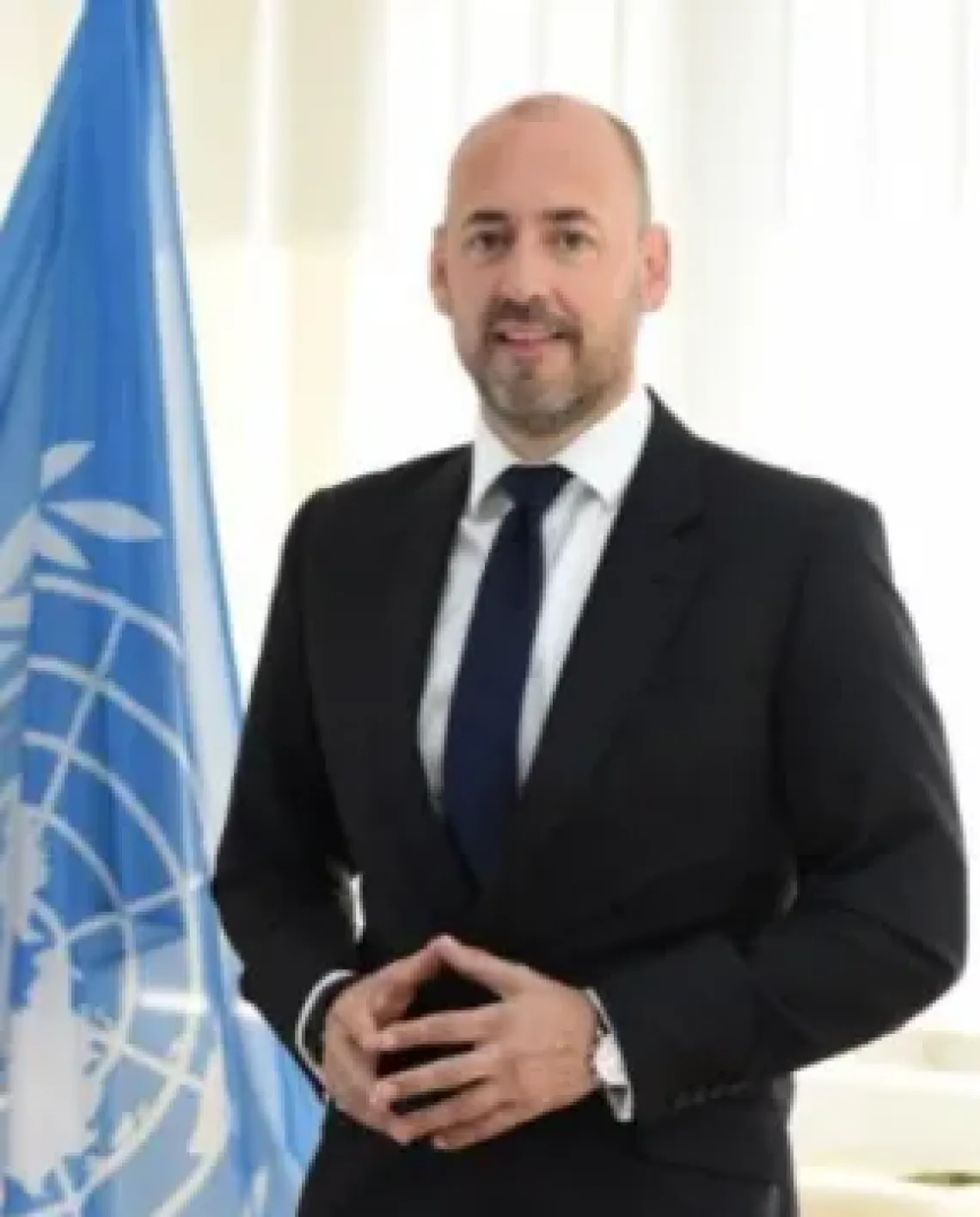
Benjamin Perks is the Head of Campaigns and Advocacy in the Division of Global Communications and Advocacy at UNICEF in New York. He leads public and policy advocacy on issues related to the survival, development, and protection of children, and serves on several global advisory bodies, including the Global Partnership to End Violence Against Children.Previously, he served as UNICEF Representative and UN Resident Coordinator ad interim in North Macedonia and Montenegro, promoting human rights reforms and the Sustainable Development Goals. He has also worked in Georgia, Kosovo, Afghanistan, India, and Albania, where he helped lead major education and child protection initiatives.In a personal capacity, he is a Senior Fellow at the Jubilee Centre, University of Birmingham, focusing on education policy and social-emotional development. Benjamin Perks is widely recognized as a speaker, writer, and advocate on violence prevention and adverse childhood experiences.
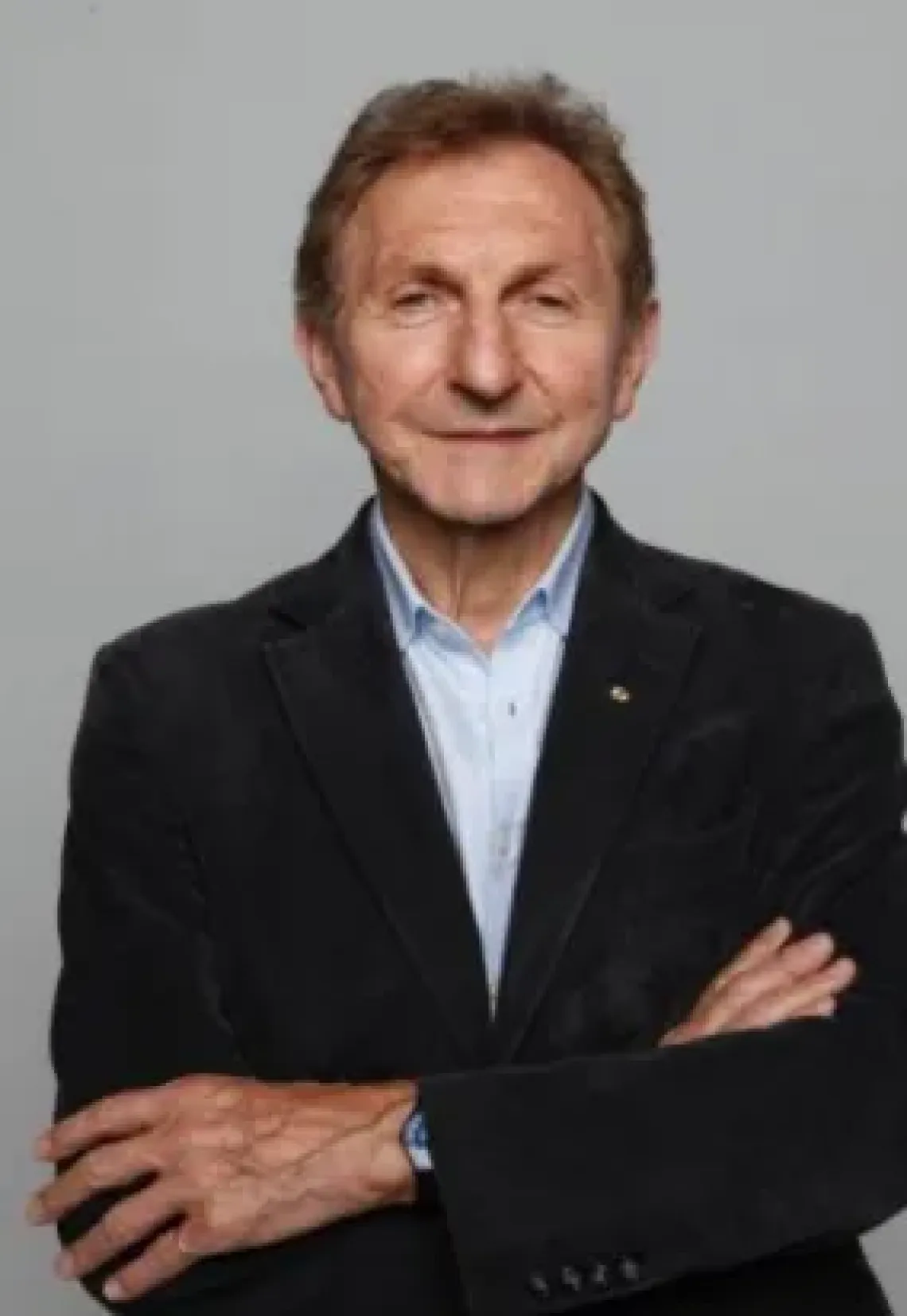
Professor Frank Oberklaid, AM, MD, FRACP, DCH is an internationally recognized paediatrician, researcher, and policy expert. He is Co-Group Leader of Child Health Policy, Equity and Translation at the Murdoch Children’s Research Institute and Honorary Professor of Paediatrics at the University of Melbourne. For over 25 years, he was the Founding Director of the Centre for Community Child Health at The Royal Children’s Hospital, Melbourne. He has authored two books and more than 200 scientific publications on paediatrics, child development, and health policy.Professor Oberklaid has chaired and advised numerous national committees, including the expert group that developed Australia’s National Children’s Mental Health and Wellbeing Strategy (2021). He also served as Chair of the Victorian Children’s Council for 12 years. His professional interests focus on prevention, early intervention, child mental health, and translating research into effective policy and service delivery.

Anar Rakhimbayeva is a medical doctor by training and holds an MBA degree. For more than 10 years, she led the sales department at BI Group. Together with her husband Aydin, she co-founded the charitable project “Mother’s Home” — a crisis center for young mothers with children, first opened in Astana in 2013 and later expanded to many regions of Kazakhstan. The “Mother’s Home” centers provide social and psychological support, educational programs, and help young women regain confidence and preserve their families.Anar is also a mother of seven children, including adopted ones, and is actively engaged in initiatives supporting families and children.
Aigerim Musabalinova is a Professor at the School of Law, KIMEP University. She holds a PhD in Child Rights Protection.
Since 2012, she has served as a legal expert at the Family Academy Foundation and the “A Child Should Live in a Family” movement. She has participated in UNICEF projects on transforming the child care system, developing alternative services for children with disabilities, and promoting early childhood development monitoring in Kazakhstan.
She has extensive experience in developing legal mechanisms for child protection and in shaping a child-friendly social environment.