UNICEF Joins in Condemning Violent Incidents Against Women and Children
Calls for accelerated legislative reform and changes to cultural norms

KINGSTON, 23 MAY 2025 - UNICEF joins Jamaicans in condemning the recent violent incidents against women and children and calls for urgent action to end the epidemic of violence against children through legislative reform and changes to cultural norms. Increased investment in protection systems is also critical.
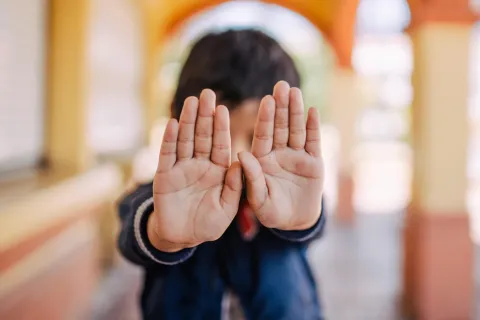
The 2023 Jamaica Violence Against Children and Youth Survey (VACS) reveals a national crisis. More than three in four Jamaican children and youth have experienced some form of violence in their lifetime. More than half of girls (53.2%) and nearly two-thirds of boys (60.6%) have endured physical violence. One in three girls and one in five boys have been victims of sexual violence, often before the age of 13, and frequently at the hands of someone they know, in places that should be safe - their homes, schools, and communities.
UNICEF is urging legislators and policymakers to seize this pivotal moment, to act decisively and enact comprehensive, child-centered reforms to the Child Care and Protection Act (CCPA), the Domestic Violence Act, and the Offences Against the Person Act. These reforms must place the best interests of the child at the heart of Jamaica’s justice, education, and social protection systems.
As the country confronts the trauma of recent events, it is also time to confront the deeper cultural norms that allow violence against children to persist. The VACS data and the 2022 Multiple Indicator Cluster Survey (MICS) report show that many children first encounter violence not from strangers, but within their own homes, through physical punishment (57%), verbal aggression, or witnessing domestic conflict.
Approximately three-quarters (76%) of Jamaican children aged 1-14 years experienced violent discipline, and about seven out of every ten children (68%) experienced psychological aggression as a form of child discipline. While often intended as discipline, these early experiences can desensitize children to harm, blur their understanding of consent and safety, and increase their vulnerability to other forms of abuse, including sexual violence.
UNICEF encourages legislators and policymakers to consider the following actions:
- Review and enhance existing laws to provide comprehensive protection for children against all forms of violence, starting by enacting legislation that unequivocally bans corporal punishment in all settings.
- Prioritize the development and reinforcement of a comprehensive and integrated child protection and early warning system that effectively prevents and responds to all forms of violence against children.
- Promote and expand programs that support positive, non-violent discipline and provide resources to help families create safe and nurturing environments for their children.
Additionally, establishing a clear accountability framework is encouraged to help ensure that laws are enacted and implemented effectively and consistently as well as increased investment in prevention and response systems is paramount.
UNICEF stands ready to support the Government and its partners in translating these reforms into real protection for every child, through technical assistance, data-driven policy advice, and community engagement.
Jamaica’s children deserve a future free from fear, and it is our collective responsibility to deliver it.
Media contacts
About UNICEF
UNICEF promotes the rights and wellbeing of every child, in everything we do. Together with our partners, we work in 190 countries and territories to translate that commitment into practical action, focusing special effort on reaching the most vulnerable and excluded children, to the benefit of all children, everywhere.
For more information about UNICEF and its work for children in Jamaica, visit www.unicef.org/jamaica.