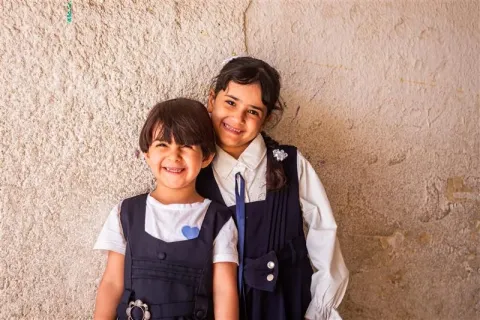
In Baghdad's outskirts water is now clean and safe
In Baghdad's outskirts water is now clean and safe

- English
- العربية
Al Amari neighborhood is one of Baghdad’s poorest neighborhoods. There are over 1000
families who have been living here since 2003. Al Amari used to suffer from a lack of access to
safe water which forced its residents to fetch their water from unsafe source.

Abdullah Kadim and his family have lived here for the last 15 years. “Access to water was a permanent problem for us and the water that we would get was dirty and unfit for use" said Abdullah.

“The water pressure was sometimes weak even though we have our own pump at home. There were times when water wouldn’t even reach us and we would be forced to buy bottled to use for washing our dishes,” explained Umm Haidar, Abdullah’s wife. The neighborhood also saw many cases of diarrhea, skin diseases and poisoning.

“I remember when my son's skin was peeling the whole time, I had to take him to the hospital. His medical examination concluded that his skin disease was caused by the water” Abdullah says.
UNICEF, in collaboration with Baghdad city’s water administration, extended new water pipelines and linked them with Al Amari’s water network As a result, safe water now reaches Al Amari.


“The situation now is very different. We get the water in our home without having to use our private water pump. Water used to be a worry for us, but not anymore,” says Abdullah.

UNICEF continues to work with USAID’s Office of U.S. Foreign Disaster Assistance (OFDA) to ensure that safe drinking water is available for Baghdad’s most vulnerable communities.