A Safe Space to Smile Again
Mental Health Support for Conflict-Affected Children
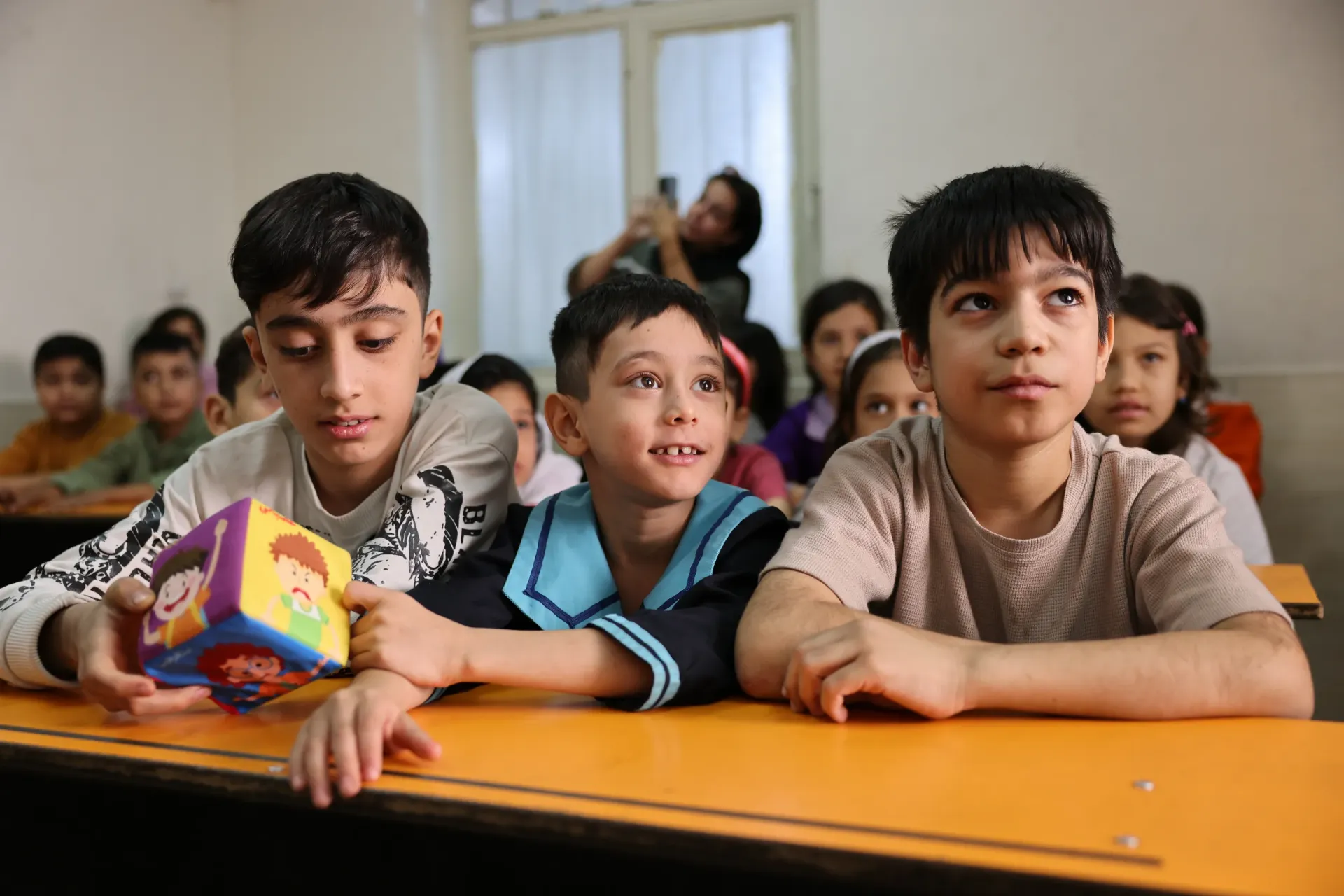
In a modest classroom at Mehrabani School in Tehran, the echoes of laughter have slowly begun to replace the silence of fear. Only weeks earlier, many of the children who now fill this room with drawings, stories, and bright colors were living through the uncertainty and anxiety of conflict. The 12-day escalation between Iran and Israel left lasting marks on young lives, with fear of loud noises, restless sleep, and sudden bursts of anger common among children who had witnessed or sensed the tension around them.
To meet this urgent need, UNICEF and the International Farda Development Activists Association (IFDAA) launched an emergency Mental Health and Psychosocial Support (MHPSS) programme, funded by the European Union and UNICEF humanitarian funds. The flexibility of UNICEF’s internal resources played a crucial role in shaping a programme that responds directly to the realities faced by children and their communities, ensuring a rapid and inclusive approach that supports their mental health and emotional recovery.
At Mehrabani School, counsellors have witnessed remarkable transformations. “At first, I thought these children would hardly heal,” one counsellor shared. “But after a week or two, I saw how much better they became. They have learnt to understand their feelings and gained the confidence to communicate with each other and their families.” Another counsellor added, “I hear from their families that the children are behaving less aggressively and are happier at home.”
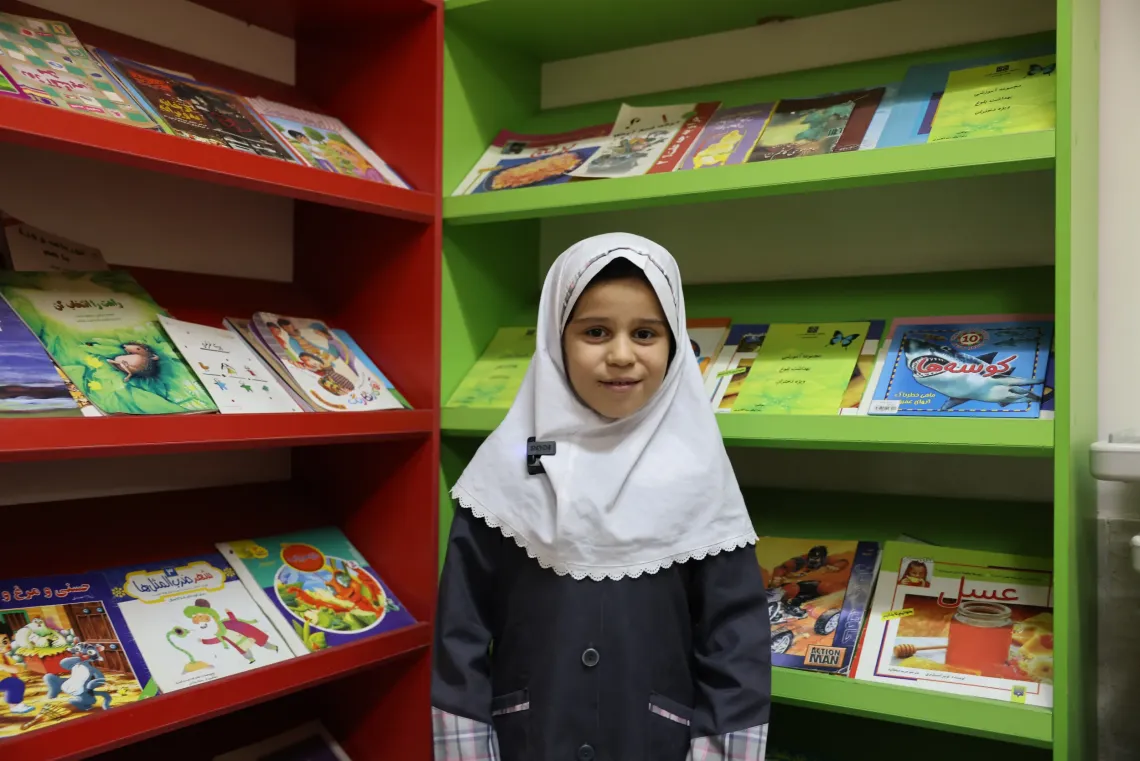
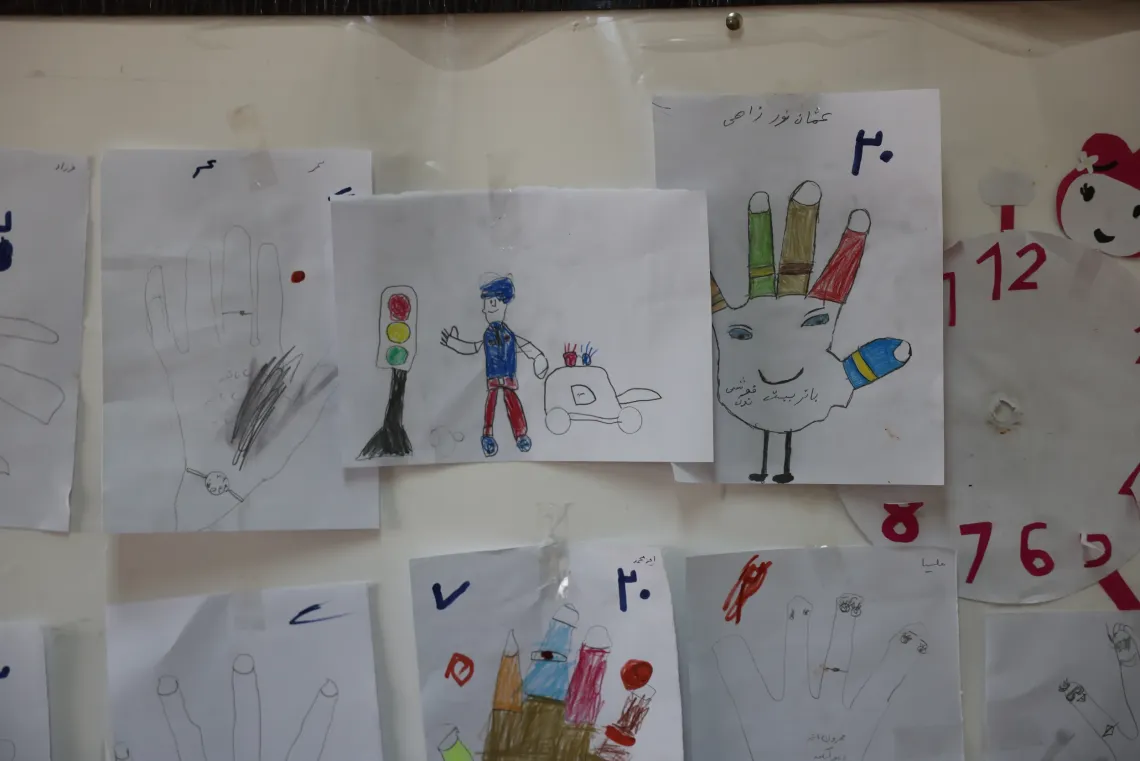
Among the group sessions, children take part in creative activities such as painting, storytelling, and crafting, designed to help them express their emotions and rebuild confidence. For many, this space has become a haven of calm and connection. Thirteen-year-old Haroun, one of the children attending the sessions, summed up the experience simply but powerfully: “I learnt how to talk about my feelings.”
Parents are also finding support in these safe spaces. A mother attending the parenting sessions with her two daughters shared, “When the war began and the loud, scary noises started, my children were so frightened. Now they are happier.”
Dr. Mona Rahmani, head of IFDAA, described the program’s essence: “For children who are living in vulnerable situations, this center is a place where they can learn, play, and have a good time.” Her words reflect the heart of the initiative, which is to create inclusive, child-friendly environments where healing can begin through care, play, and participation.
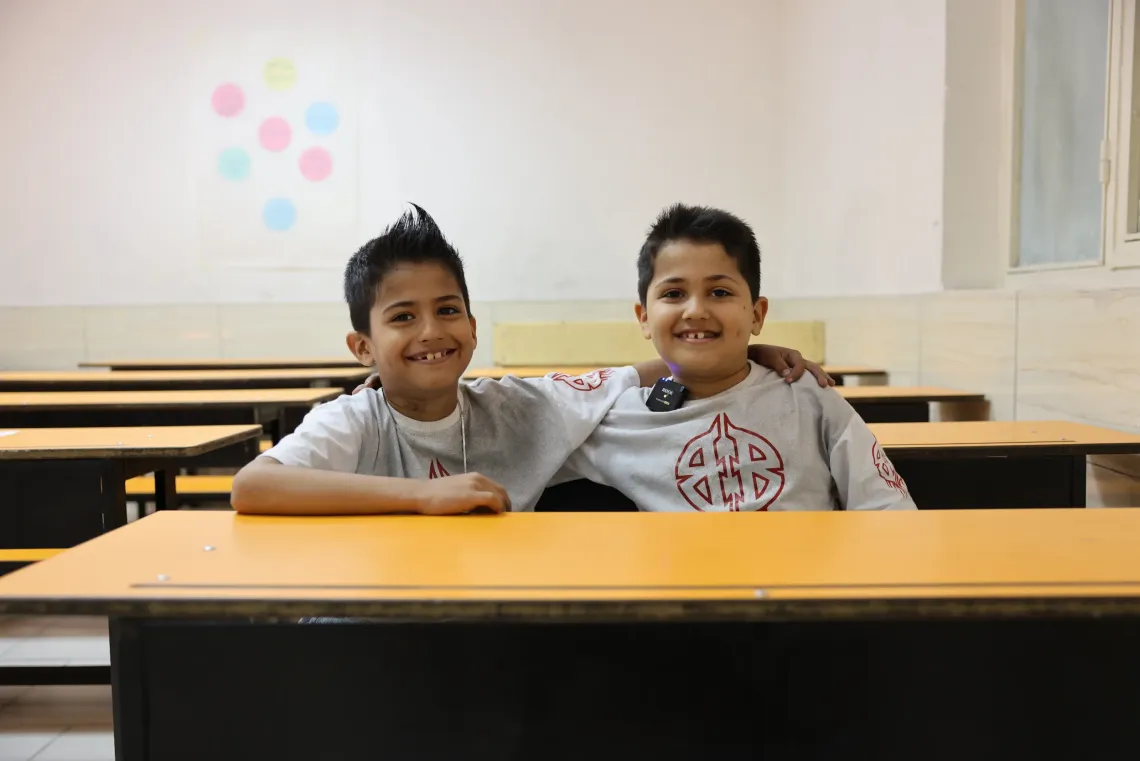
The program is designed to reach 75,000 children, adolescents, and adults across Tehran, Alborz, Qom, Khuzestan, and East Azerbaijan provinces, including 3,750 children with disabilities. To ensure inclusion and quality care, 40 local facilitators, social workers, and psychologists have been trained on emergency MHPSS principles, Psychological First Aid (PFA), child safeguarding, and disability inclusion.
By the end of September, nearly 20,000 children and parents had already benefited from these activities, showing the resilience of communities and the dedication of those working to support them.
As the programme expands, the next phase will focus on strengthening referral pathways to specialized mental health services and improving monitoring to ensure lasting impact.
For children like those at Mehrabani School, each day brings a little more light, a sign that even in the aftermath of conflict, care, compassion, and creativity can help rebuild what fear once broke.