

Mother and Baby Health
With its national partners, UNICEF Iran strengthens health systems, maximizes immunization coverage and supports policies and financing to safeguard the health of children and women
- فارسي، فارسي
- English
The issue faced
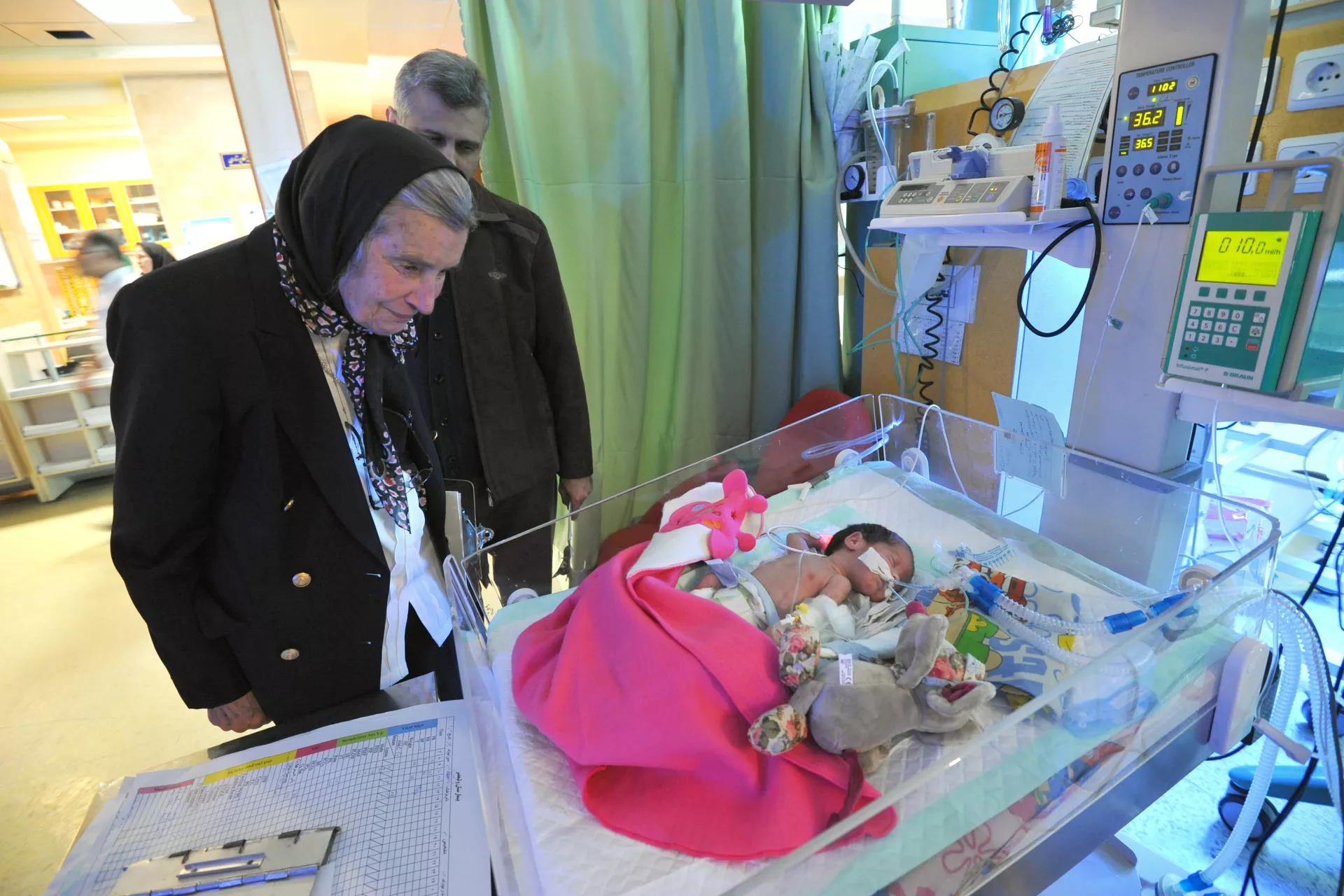
Neonatal mortality and morbidity remains an evolving issue of concern in Iran, with a relatively low national rate belying notable discrepancies in mortality rates across the various provinces. Economically disadvantaged areas and areas with a high concentration of refugees exhibit the highest rates of deaths per births, across each of the respective categories of measurements.
Iran aims to reduce the national neonatal mortality rates from 9 per 1,000 live births to under 7 per 1,000 in 2025-2026. Contributing to this end, UNICEF is supporting national health authorities in addressing systemic inequities by targeting those provinces with the highest mortality rates (Hormozgan, Kerman, North Khorasan, Sistan and Baluchestan).
The actions taken
UNICEF is supporting the Government of Iran to improve access to quality care for maternal, newborn, and child health through a range of interrelated interventions:
- Increasing access to the public health care services by strengthening the primary health care system in underprivileged areas with a high density of refugees, with a focus on preconception, antenatal and neonatal care including through revision of health protocols.
- Training of neonatal health specialized staff in public health services based on needs assessments to enhance their capacities in providing standard neonatal care.
- Implementing a needs assessment of Neonatal Intensive Care Units (NICU) in public hospitals to improve the standards of care, including enhancements in critical equipment and supplies.
- Improving exclusive breastfeeding practice with focus on first hour and thereby an early start of breastfeeding immediately after birth.
- Bolstering immunization services for mothers and infants by strengthening the vaccine cold chain (through facility upgrades and specialized vehicle procurement).
The partners engaged
UNICEF partners involved in implementation of the programme in this focus area include the Ministry of Health and Medical Education and affiliated medical universities.
The impact sought
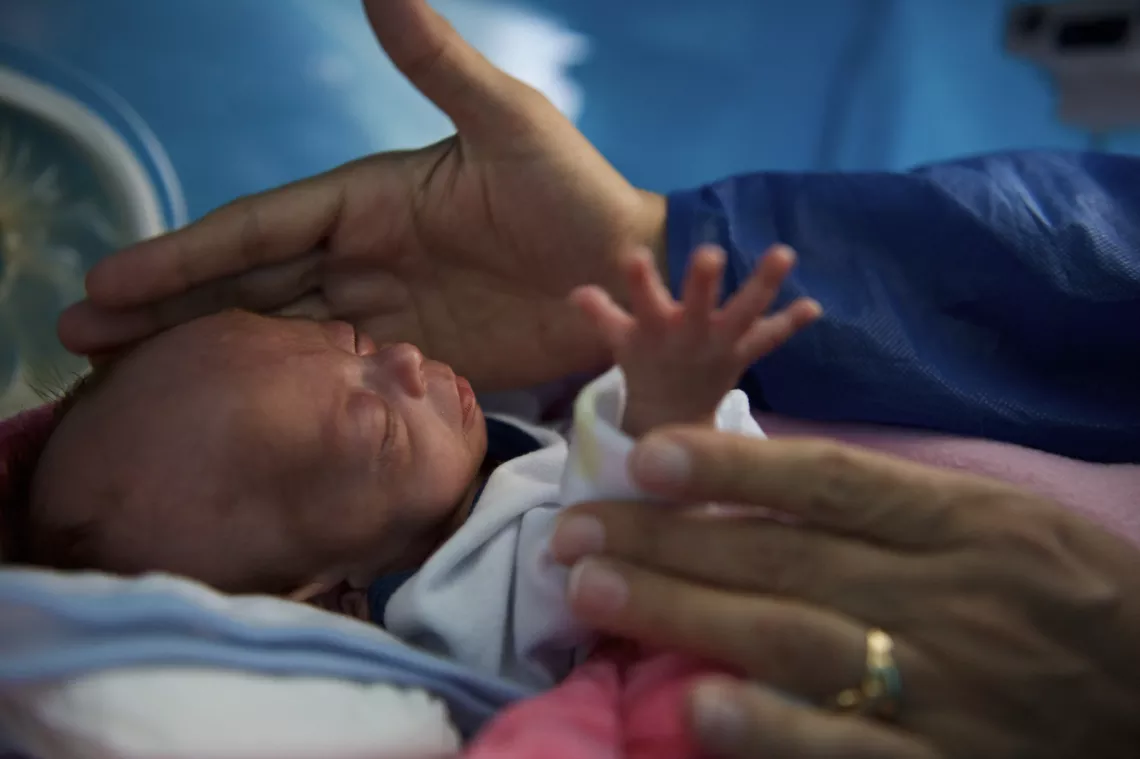
UNICEF investment and timely intervention will reduce maternal, neonatal and child mortality and morbidity indicators at the national, subnational and district levels. UNICEF marshalling of international support to launch a multiprovince programme to provide life-saving equipment, training and systemic upgrades in the most economically disadvantaged provinces of Iran will lead to enhanced neonatal health outcomes in these areas and potentially spur further investment to this end.
Monitoring and Accountability
In adherence to principles of accountability, UNICEF enriches its programme designs and adaptations through systematic assessment and monitoring of the child’s rights deprivations, operating environment, partnerships and progress towards planned results. The implementation of Harmonised Approach to Cash Transfers (HACT) ensures both financial and programmatic compliance through a combination of micro and macro assessments, spot checks, audits and programmatic visits. Leveraging sophisticated and integrated enterprise platforms and tools, UNICEF maintains a consistent monitoring of its programme implementation assessing quality and coverage, identifying risks and challenges, highlighting best practices and lessons learned, fostering stakeholder participation and engagement and conducting end user monitoring of supplies. Additionally, UNICEF remains committed to its costed evaluation plan which includes external evaluations of its projects, partnerships, and/or strategies primarily aiming to enhance relevance, efficiency, effectiveness, impact, and sustainability of its programmes.