Unlocking the next stage of growth
Why founders in emerging markets need stronger pathways to scale
For many early-stage innovations, proving that a solution works is only the beginning. The bigger leap comes later when a product must move beyond pilots and become reliable, credible, and ready for adoption at scale. This is the “missing middle” of innovation: the space between early validation and real-world uptake, where too many strong ideas stall.
That’s the context for the UNICEF Venture Fund’s growth-stage support. Many teams are building in traditionally overlooked markets, where access to follow-on funding and pathways to adoption can be especially constrained. The growth period extends the runway at a critical moment when teams are strengthening their technology, building for inclusion, generating evidence, and pursuing adoption, often alongside partners. To date, the 15 startups that have received growth funding have collectively raised more than three times the amount invested by the Venture Fund, with three acquisitions among them.
The current Venture Fund growth cohort is no exception and shows the kind of work teams take on during this phase. Together, they’ve already generated over US$3M in follow-on funding. Across regions and sectors, three investees — Rumsan (Nepal), Xcapit (Argentina), and Tilli (Sri Lanka) — are using this period to build for real-world constraints and underserved users.
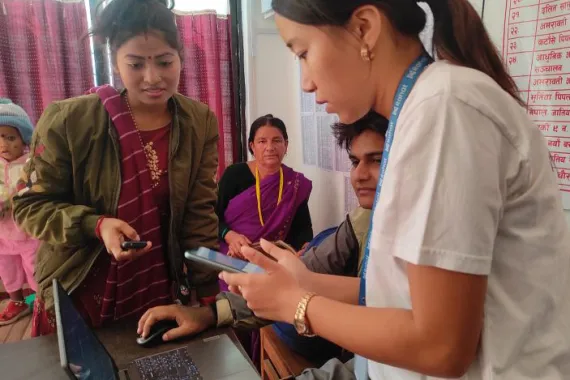
Rumsan is a blockchain company focused on social impact. Its open-source platform, Rahat, is designed to improve secure access to financial assistance while strengthening digital and financial literacy for communities affected by climate shocks. During the growth phase, the team has focused on strengthening Rahat’s security and scalability by improving their underlying blockchain infrastructure while also expanding into anticipatory financial aid to support faster and more equitable response before crises strike.
“During the growth phase, one focus of our work has been anticipatory aid in Nepal, getting support to people before a disaster hits. For example, in flood-prone areas, we can use open-source data from platforms like Google Flood to monitor rising water levels and trigger assistance once predefined thresholds are crossed.” — Rumee Singh, CEO, Rumsan
Xcapit, a company specializing in blockchain- and AI-based solutions, is focused on redefining financial inclusion and humanitarian aid delivery. While in the growth phase, the team is expanding its open-source platform to support secure, transparent digital money transfers for people without smartphones or reliable internet access. A key development track is an SMS-based blockchain wallet with Indigenous language support, enabling NGOs, companies, and governments to deliver assistance directly in low-connectivity environments.
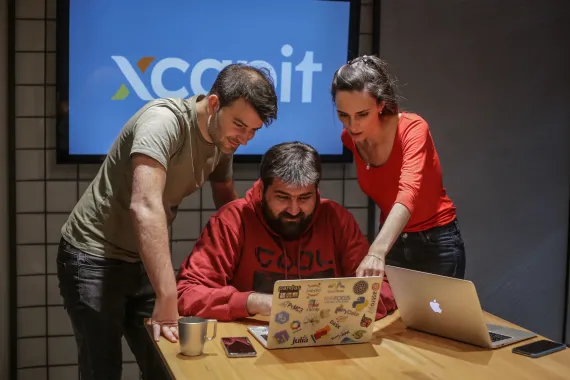
“We ran a recent pilot in Peru in Quechua, an Indigenous language, and saw how powerful SMS can be for people with disabilities or low literacy. Without the need to download apps or interpret emojis, the platform becomes far more accessible.” — José Trajtenberg, Co-founder, Xcapit
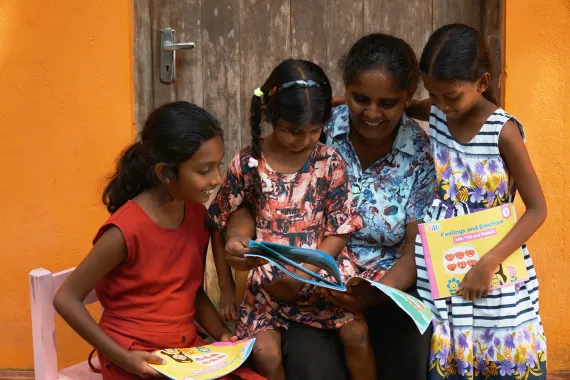
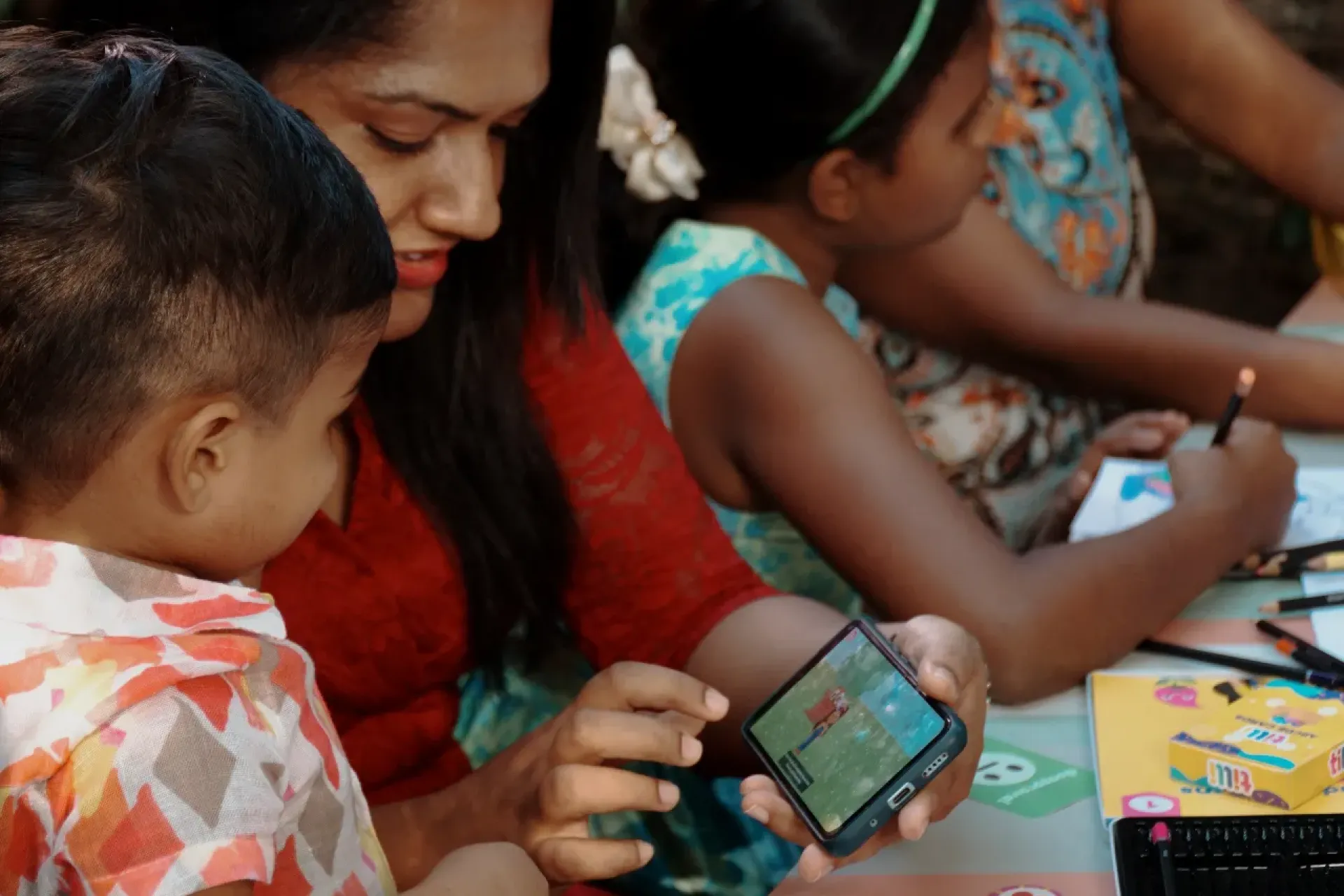
Tilli is an award-winning social-emotional learning tool for early learners that combines playful learning, behavioural science, and data. During the growth period, the team is advancing AI-powered teacher support tools and SEL analytics, while expanding real-world deployment through partnerships such as UNRWA schools in Jordan, reaching refugee children in fragile contexts. The focus is on strengthening evidence that educators and public systems can use.
“With growth funding, we’re helping teachers and school leaders turn learning data into practical interventions, deepening measurable learning outcomes and strengthening teacher support.” — Kavindya Thennakoon, Co-founder, Tilli
Across all three, growth is not about reaching more users. It is about becoming ready for the systems innovations are meant to serve, through stronger technical foundations, inclusive design, and evidence that governments, educators, and humanitarian actors can use.
To meet the SDGs by 2030, demand for platforms that can serve the most vulnerable is growing faster than the supply of solutions ready to do so. Growth-stage pathways remain one way to help close that gap, ensuring promising innovations don’t remain “what could have been,” but become tools that work at a scale that matters.