Underestimated, undeterred, unstoppable
Meet 11 African and Asian frontier tech founders improving health, access and opportunity for girls and women
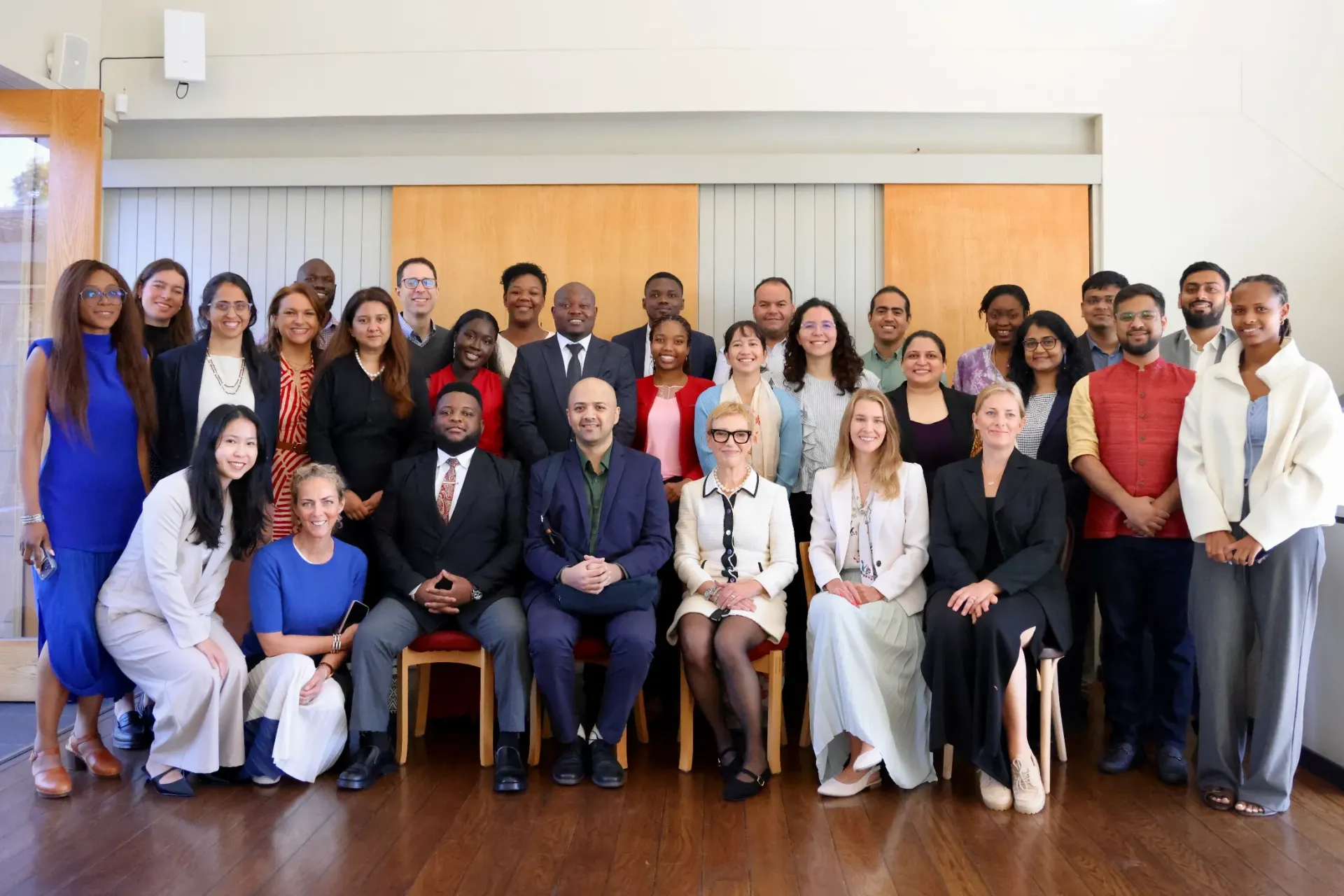
I did not expect to cry. I was there in a professional capacity – to observe, to document, to tell the story. But by day four, standing in a circle of people in a conference room at the Future Africa Campus in Pretoria, South Africa, I was more than an observer. I was emotionally invested.
Four days is all it took. For acquaintances – startup founders and UNICEF colleagues – to become something that felt like a team. Something that felt like a movement.
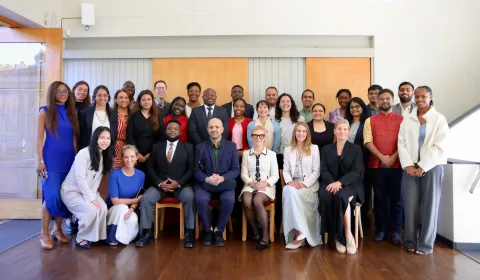
Femtech Ventures is UNICEF’s five-year investment platform for frontier tech founders building solutions for girls and women across Africa and Asia. Eleven startups selected from over 1,100 applications from 85 countries had four days together in Pretoria to kick off a yearlong investment and mentorship cycle. This is what that looked like.



Seeing a problem and fixing it
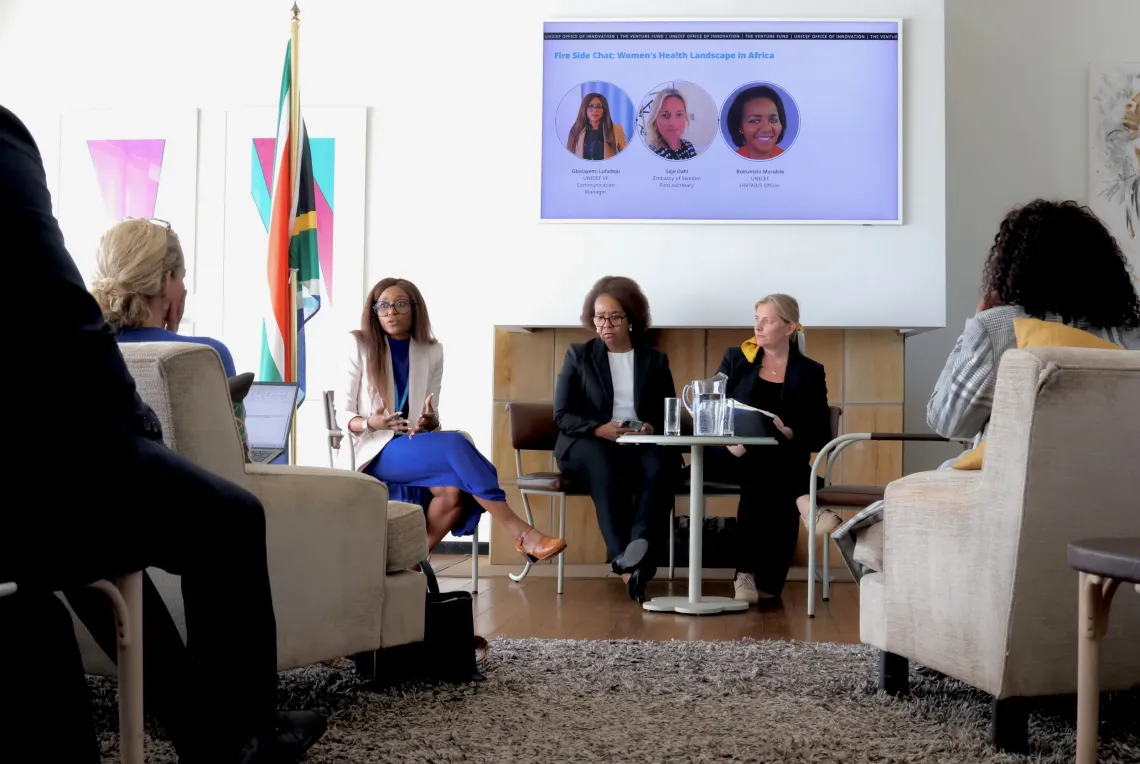
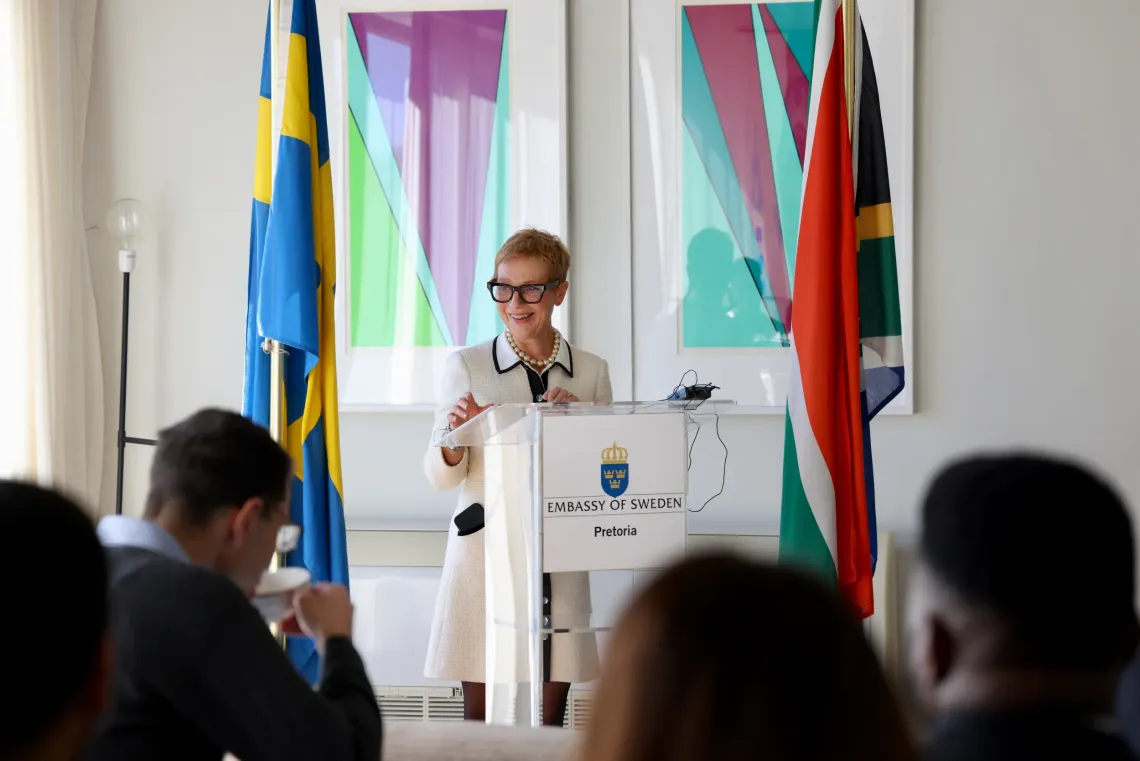
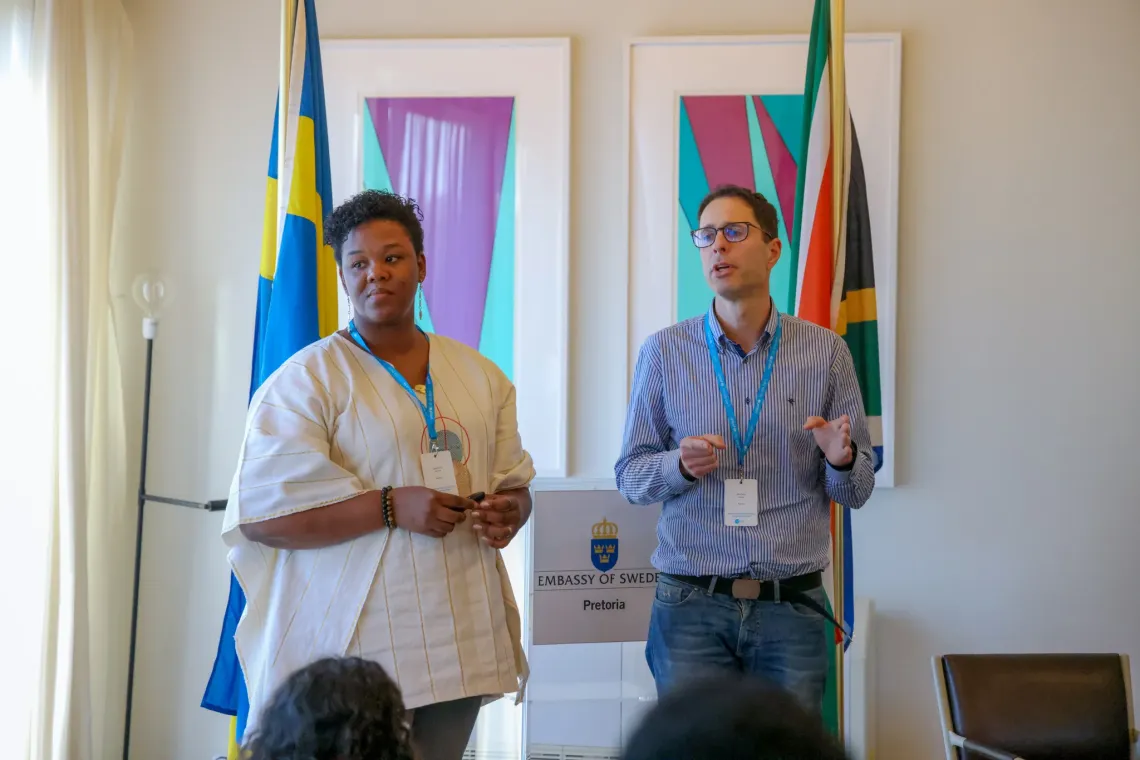
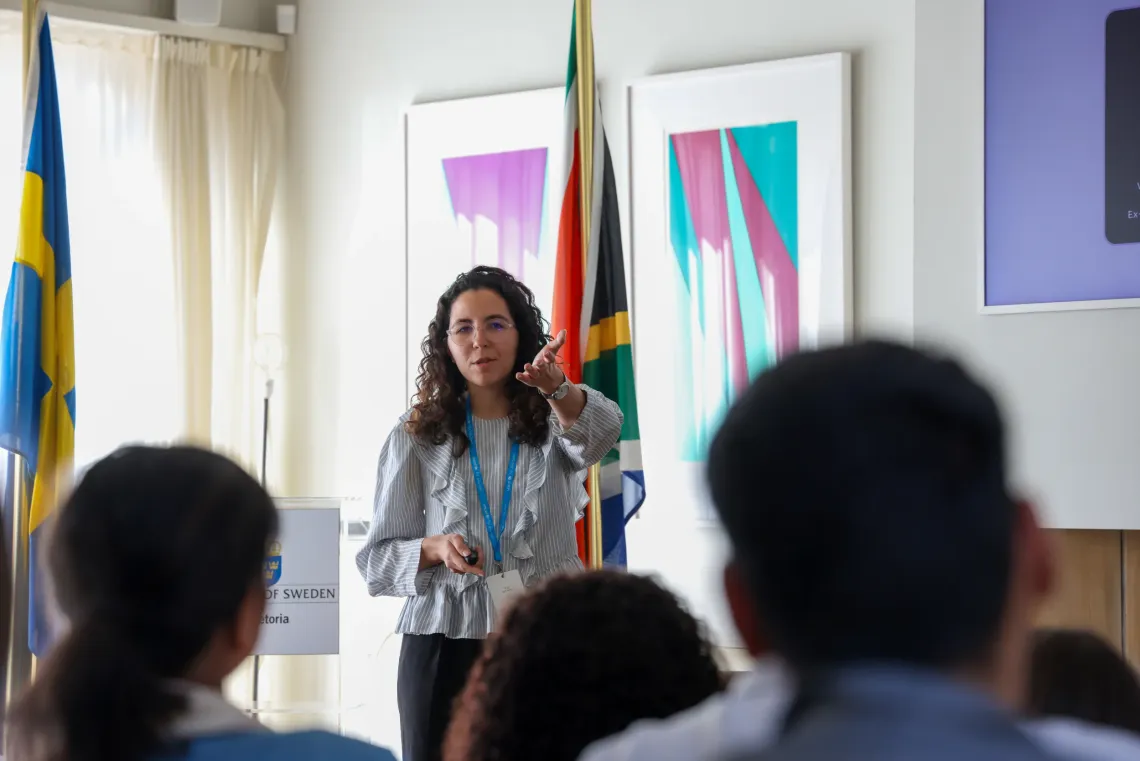
It started formally enough. Day one at the Swedish Ambassador’s Residence: everyone suited and booted, in a room of fellow practitioners – UN colleagues working at the frontlines of sexual and reproductive health and rights (SRHR) – each startup team presenting their vision. The pitches were sharp, the founders composed.
But underneath the polish, you could feel the barely contained urgency of people who have seen a problem in their communities the world has ignored for too long and decided they are the ones to fix it.



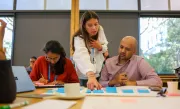
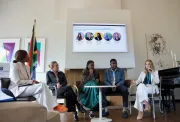

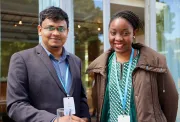
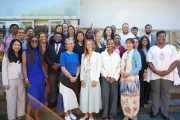

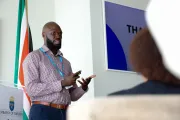
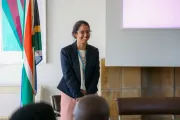
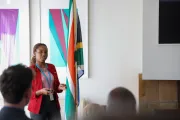
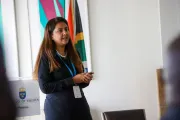
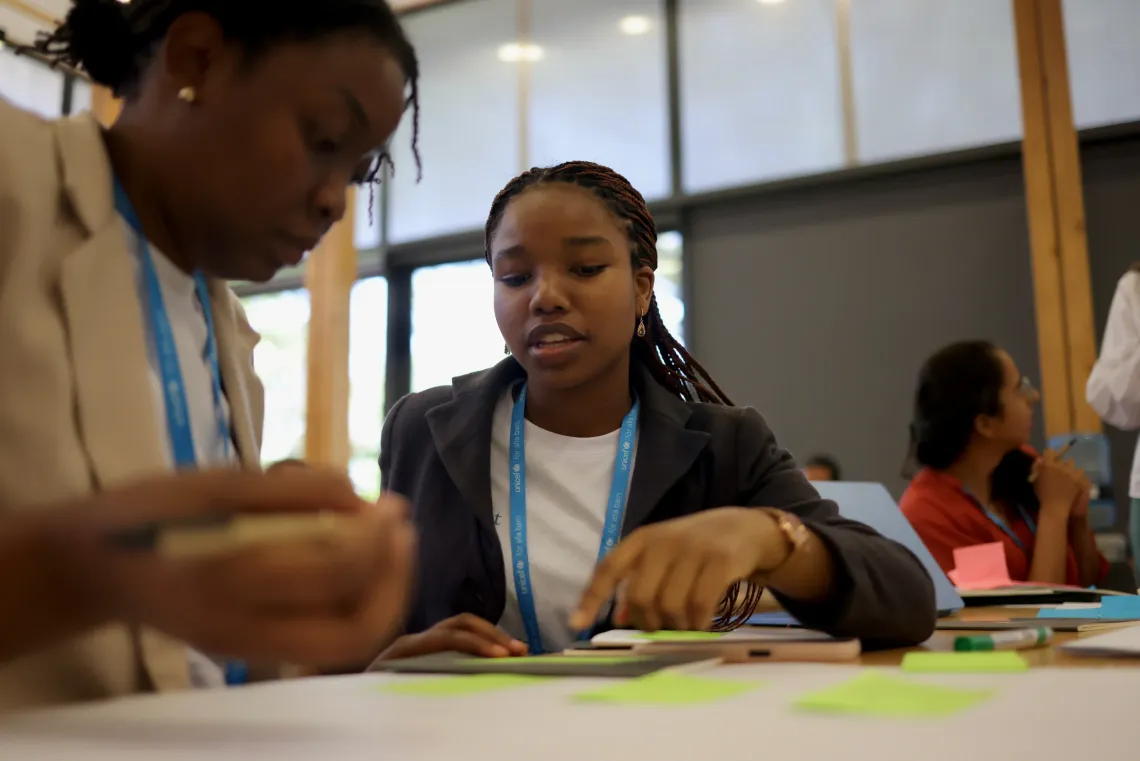
By day two, the suits were gone. The cohort reconvened in their element – hoodies and trainers, huddled over whiteboards, Post-its, and hand-drawn diagrams – refining the principles and tools that will sustain their businesses at scale. This was the real work: thinking through not just what they are building, but why it will last, who it will serve and how it will grow without losing its soul.
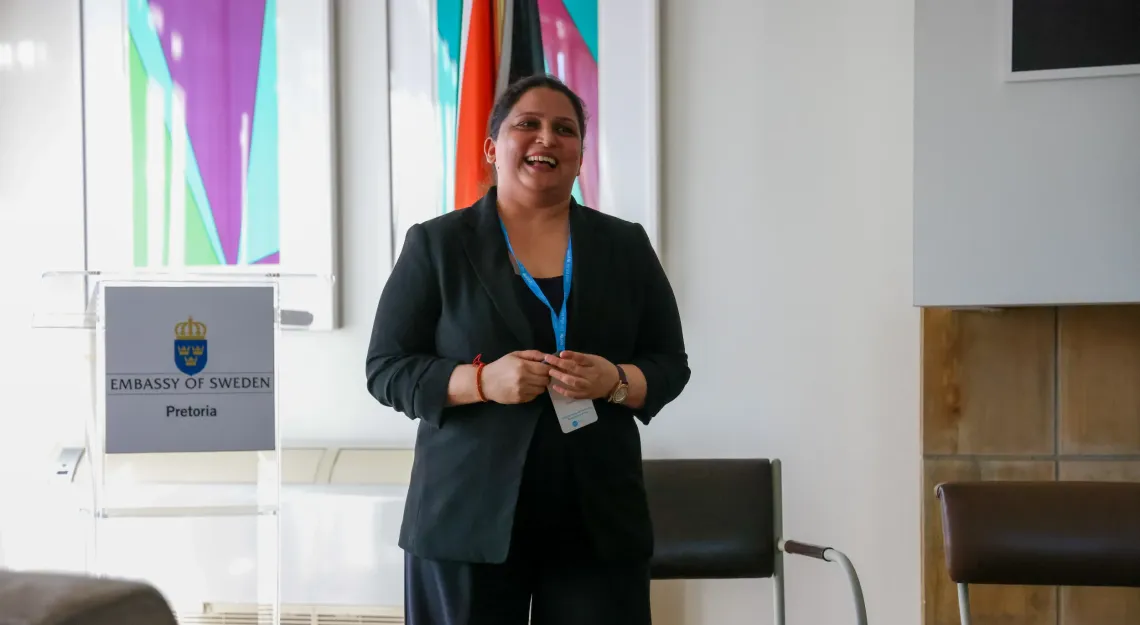
Day three brought the suits back out – this time to meet South Africa’s business community: investors in mature ventures, seasoned operators who had navigated the terrain these founders are stepping into.

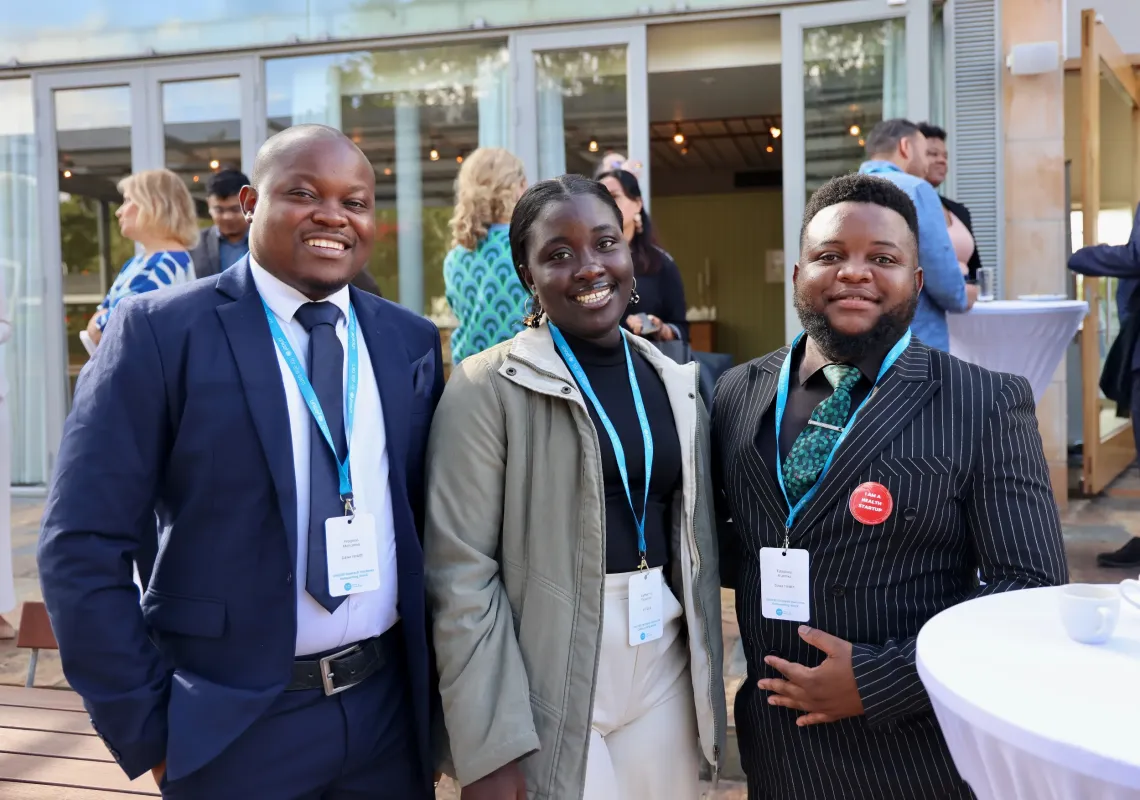

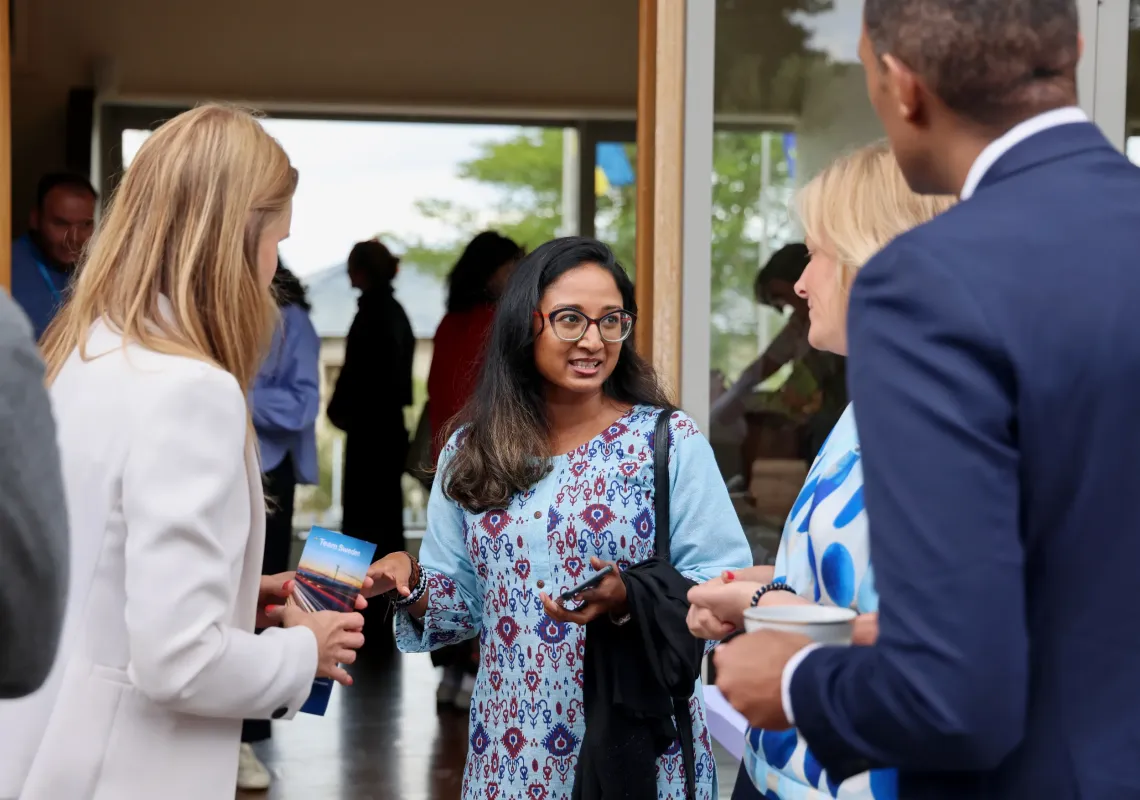
What struck me most was not the advice, though it was excellent. It was the warmth with which it was given. These are people who want the cohort to succeed. Not in a polite, performative way. In the way that happens when you meet someone and immediately understand that they are made of the right stuff.
If these founders can build and sustain impact businesses in Africa and Asia – markets that are complex, underserved and rarely forgiven for failure – there is nowhere else in the world they cannot go.
Applause. Gratitude. Support.
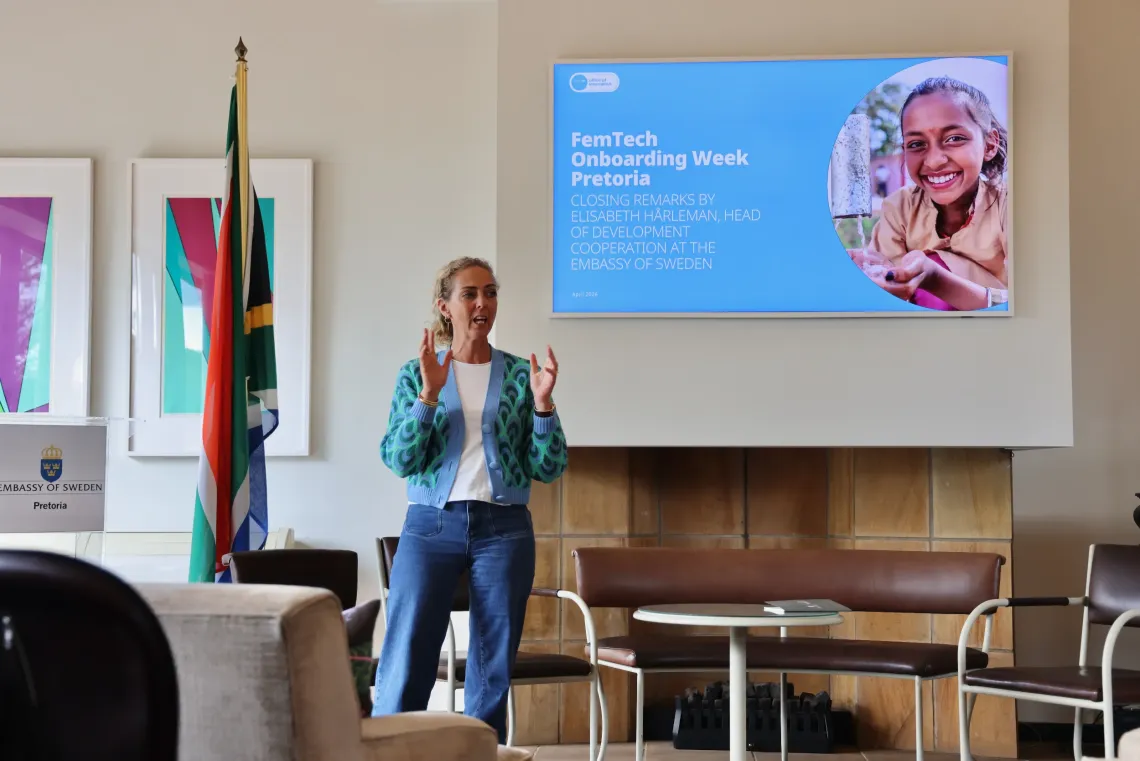
Day four was the gentlest. Practical wisdom delivered with humour and heart – TED Talk-style sessions on the realities of doing business. And then, before bags were rolled off campus for the last time, we stood together. One big circle. And people spoke.
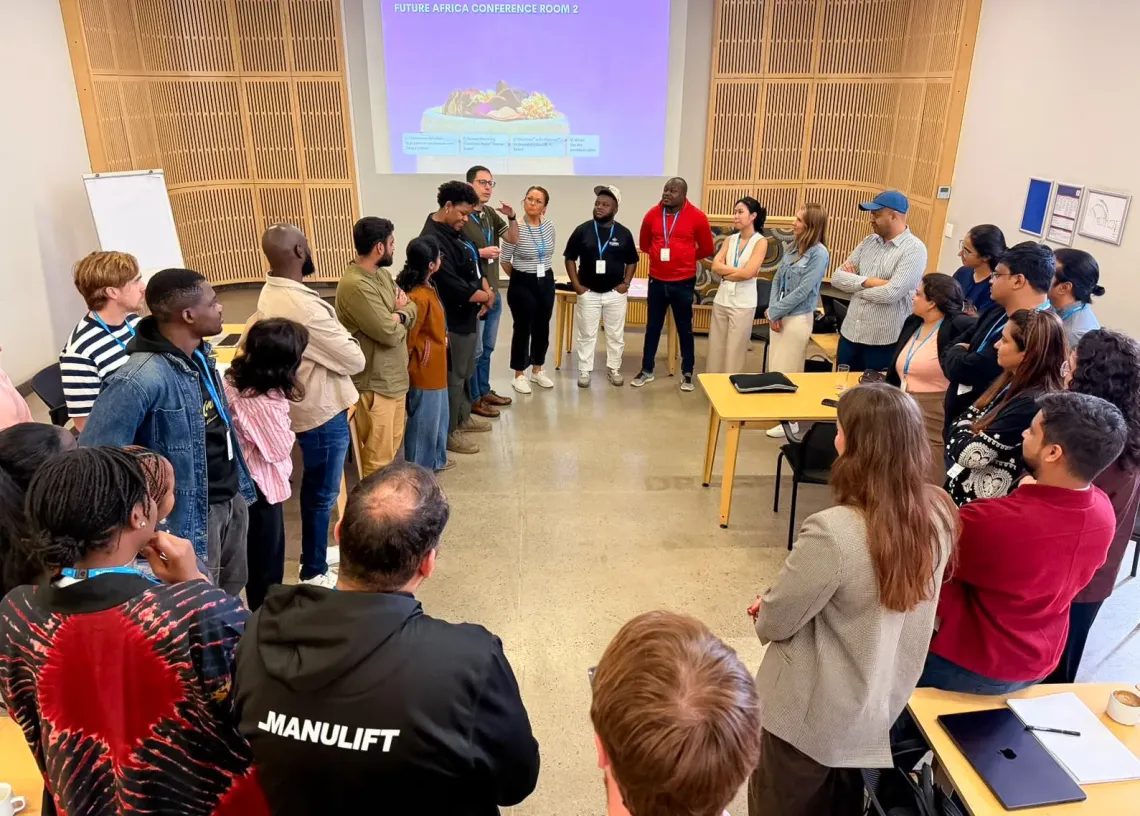
There were tears. There was applause – especially for the dads in the room, who had spent the week keeping little ones quietly entertained in the back rows, crayons in hand, so that the women they love could show up fully and do the work.
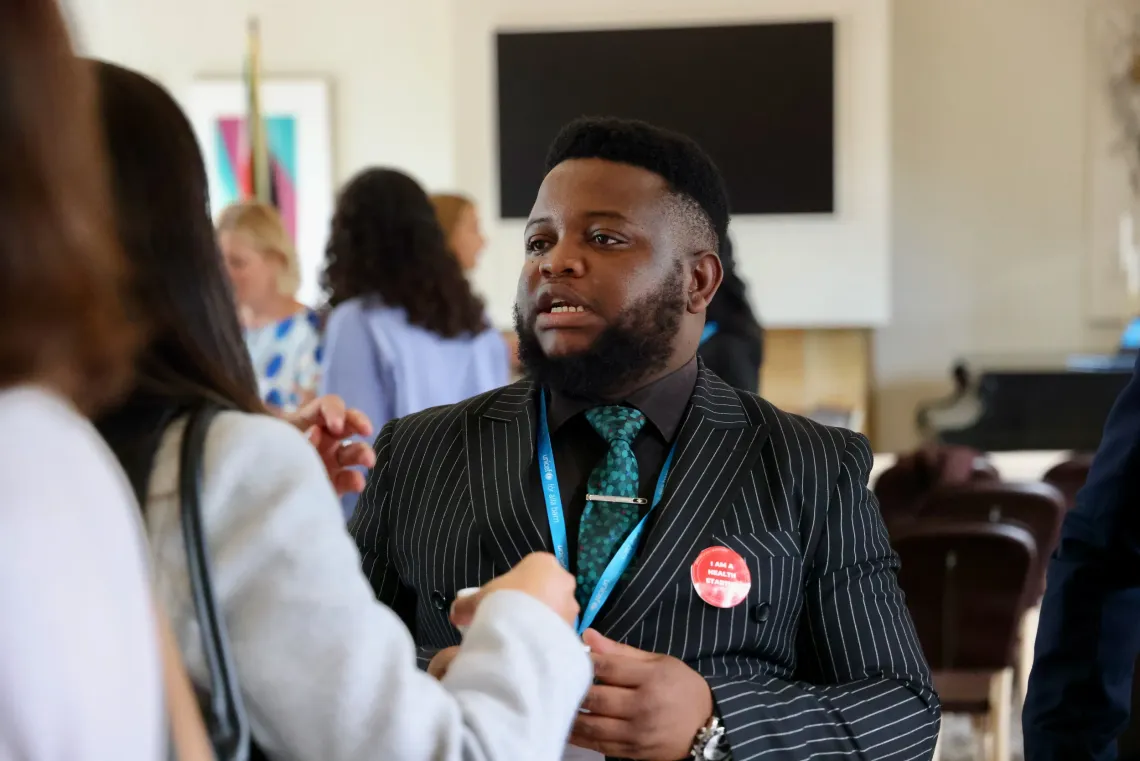
There was gratitude for the UNICEF team, for believing in these founders and backing them. And there was something quietly extraordinary in watching a room full of people – who a few days ago were strangers – choose each other.

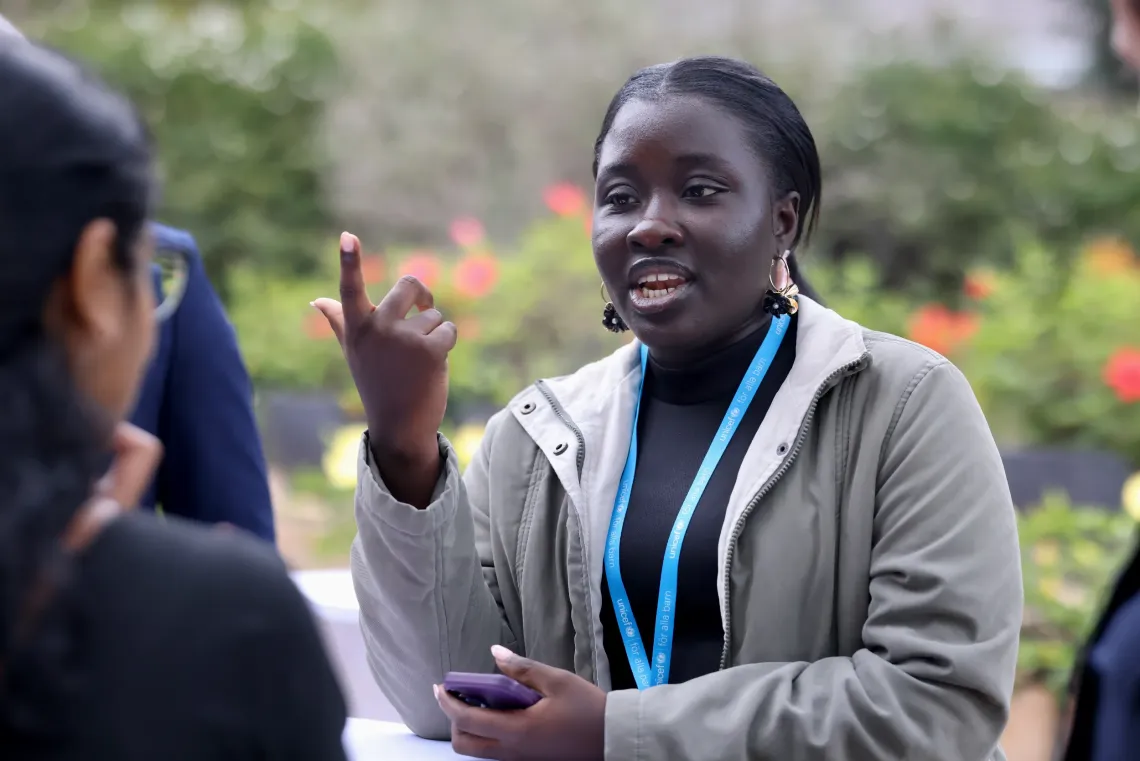


Since leaving Pretoria, I have been reflecting on each encounter, each founder, each solution and the stories behind them. They have all lingered with me.
- Harsha: her own less-than-ideal postpartum care in India lit something in her that would not go out. With VivaMama, she is building so that women in her community get the information and services they deserve, and do not have to navigate that season of life alone or underprepared.
- Tafadzwa: moved by what his cousin went through during pregnancy, he built DawaMom, an AI-enabled solution combining a multilingual chatbot with community health worker outreach to support women through antenatal, postnatal and cervical cancer prevention services in Zambia.
- Inès: already improving diagnostic accuracy for endometriosis in France as a data scientist, she built Feel by Luna so that girls and women in Tunisia can record symptoms in French, Arabic or Tunisian, providing a risk score and information that supports them to navigate and receive healthcare from a local clinician.



Shared belief in a better future
Behind every solution is a passionate founder with a brilliant raison d’être and a solid, viable business making social impact. Being part of UNICEF Femtech Ventures is a collaboration, not charity – an agreement to work together to improve outcomes for women and girls.
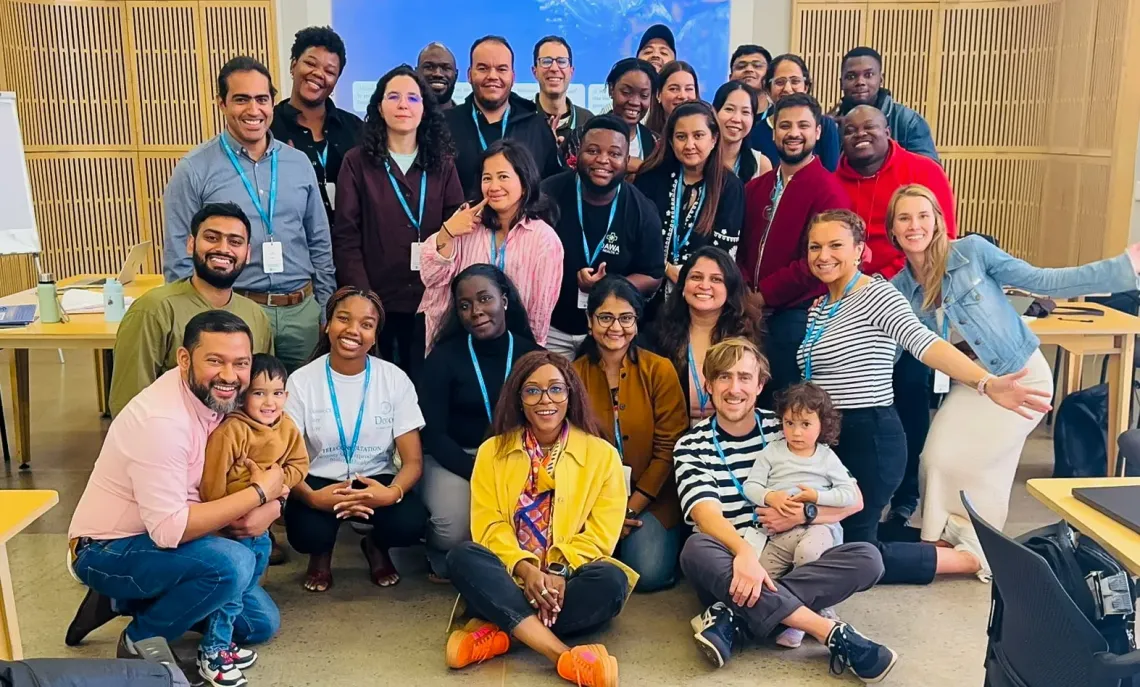
What unites every person in this cohort – the founders, the UNICEF team, our partners – is not a job title or a sector. It is a conviction. A shared belief that the world can be better for girls and women, and a willingness to do something about it.
I left Pretoria with a vision of how much better corners of the world will be in a year because these people are in it. UNICEF Femtech Ventures is a collaborative process with change makers with the potential to make global social impact.