Innovation Across Borders: Uganda
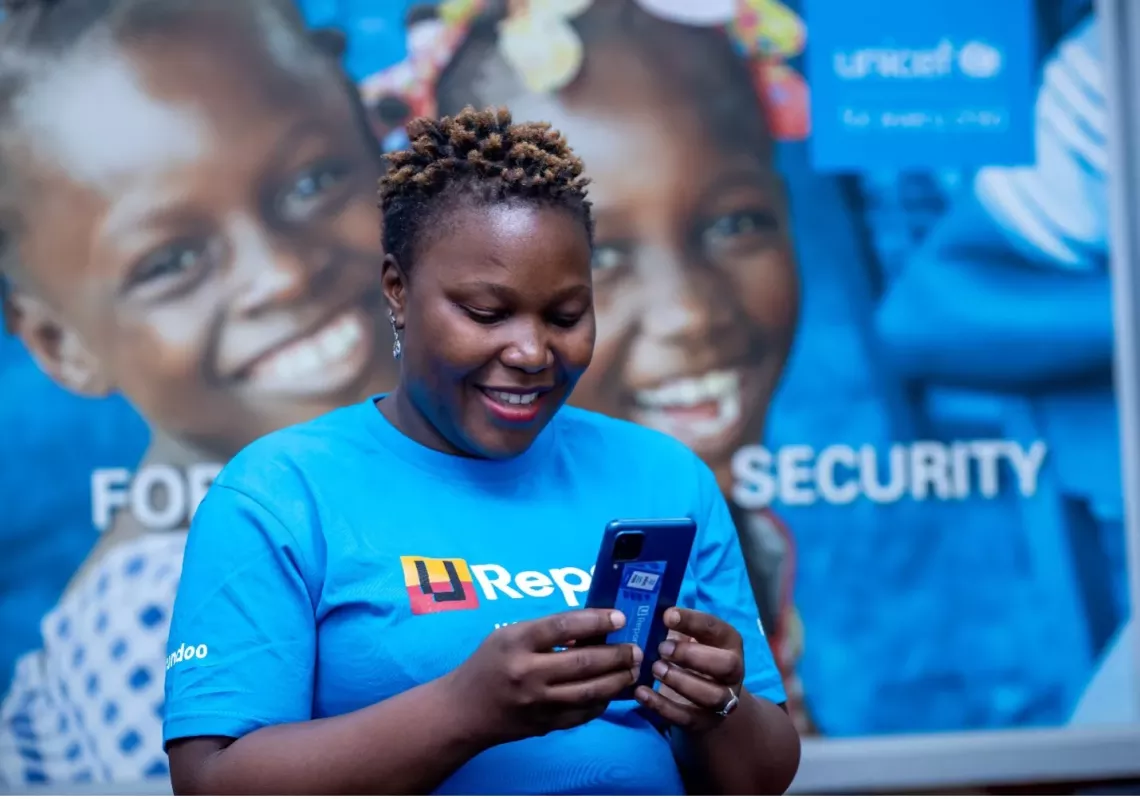
Fatuma Namukose, Programme Assistant, UNICEF Uganda, reflect on leading the national deployment of digital life coach FunDoo.
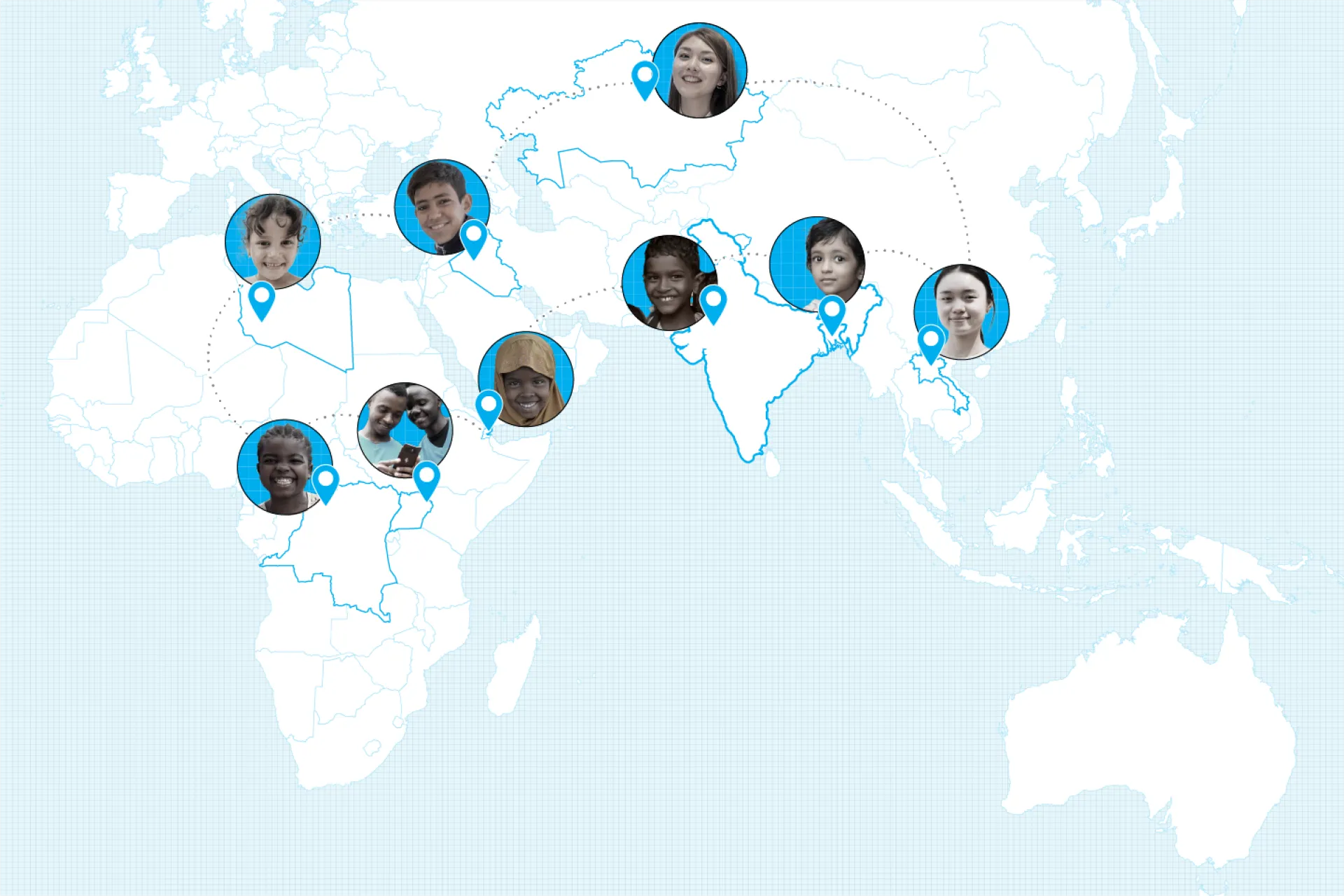
Across 190 countries and territories, UNICEF colleagues and partners are on the frontlines of the greatest challenges affecting the lives of children and young people. Innovation Across Borders highlights the experiences, successes and learnings of innovation champions, committed to making positive social impact.


What has been the impact of your innovation?
FunDoo has opened new doors for young people in Uganda, particularly those who are not in employment, education or training. The platform equips them with essential 21st-century skills – communication, collaboration, critical thinking, creativity.
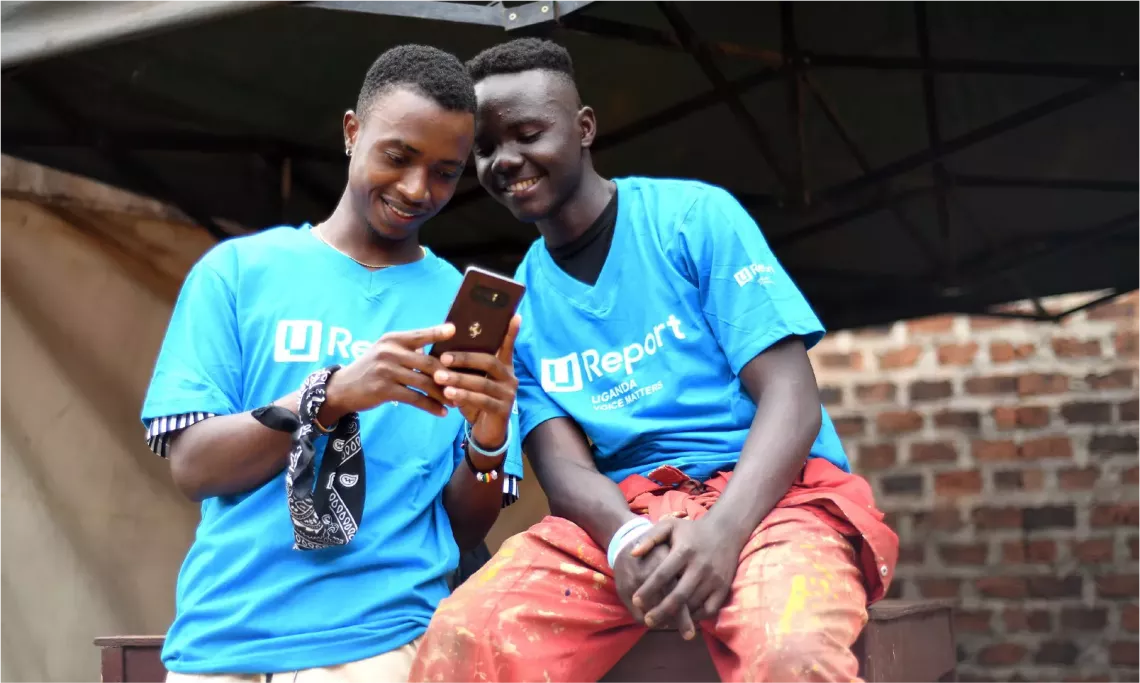
To date, over 37,000 young people across Uganda are using FunDoo. It complements existing life skills programmes in schools, helping learners develop competencies like teamwork, self-esteem, communication and stress management.
What challenges have you encountered?
One of the biggest challenges was ensuring accessibility for young people with limited internet access and digital literacy. Out of a population of 45.5 million, only eight million people in Uganda are social media users. Reaching those without smartphones or stable internet required innovative thinking.
We developed SMS-based lessons and integrated FunDoo content into youth radio programmes, making learning accessible even without a smartphone. We also relied on strong local partnerships to promote awareness and encourage adoption in communities, schools and youth networks.
What were your highest points?
One of my proudest moments was when UNICEF and the Ministry of Education and Sports recognized FunDoo as an effective online skilling platform, particularly for out-of-school youth.
What was your experience collaborating with partners?
Bringing FunDoo to life was a truly collaborative effort. It was about bringing together young people, ministries and partners to co-create something meaningful. Most importantly, we worked with 24 young people from diverse backgrounds, including U-Reporters and refugees, whose insights helped us make FunDoo relevant, relatable and user-friendly.
This journey wasn’t always easy, but seeing our collective efforts translate into real change has been incredibly rewarding.




What has been the biggest lesson learned?
One of the most powerful lessons we’ve learned is that digital platforms can thrive even in low-resource settings. Many young people are already looking for ways to learn online and FunDoo proved that even those without formal education can engage with digital content, complete tasks and apply their learning in real life.
What message do you have for colleagues around the world?
FunDoo is more than just a project; it’s a game changer. One of the most inspiring things I’ve seen is how young people took ownership of the platform’s success: they formed online groups, mobilized youth associations, created content and promoted FunDoo on social media. Their creativity and leadership remind me why investing in young people matters.
What advice would you give to those interested in innovation?
Innovation doesn’t always mean starting from scratch. Sometimes, it’s simply about rethinking how we approach challenges. My advice: start by listening.