Innovation Across Borders: Bangladesh
Jahid Shahed, Health Officer, UNICEF Bangladesh, reflects on leading the digital transformation of vaccine delivery
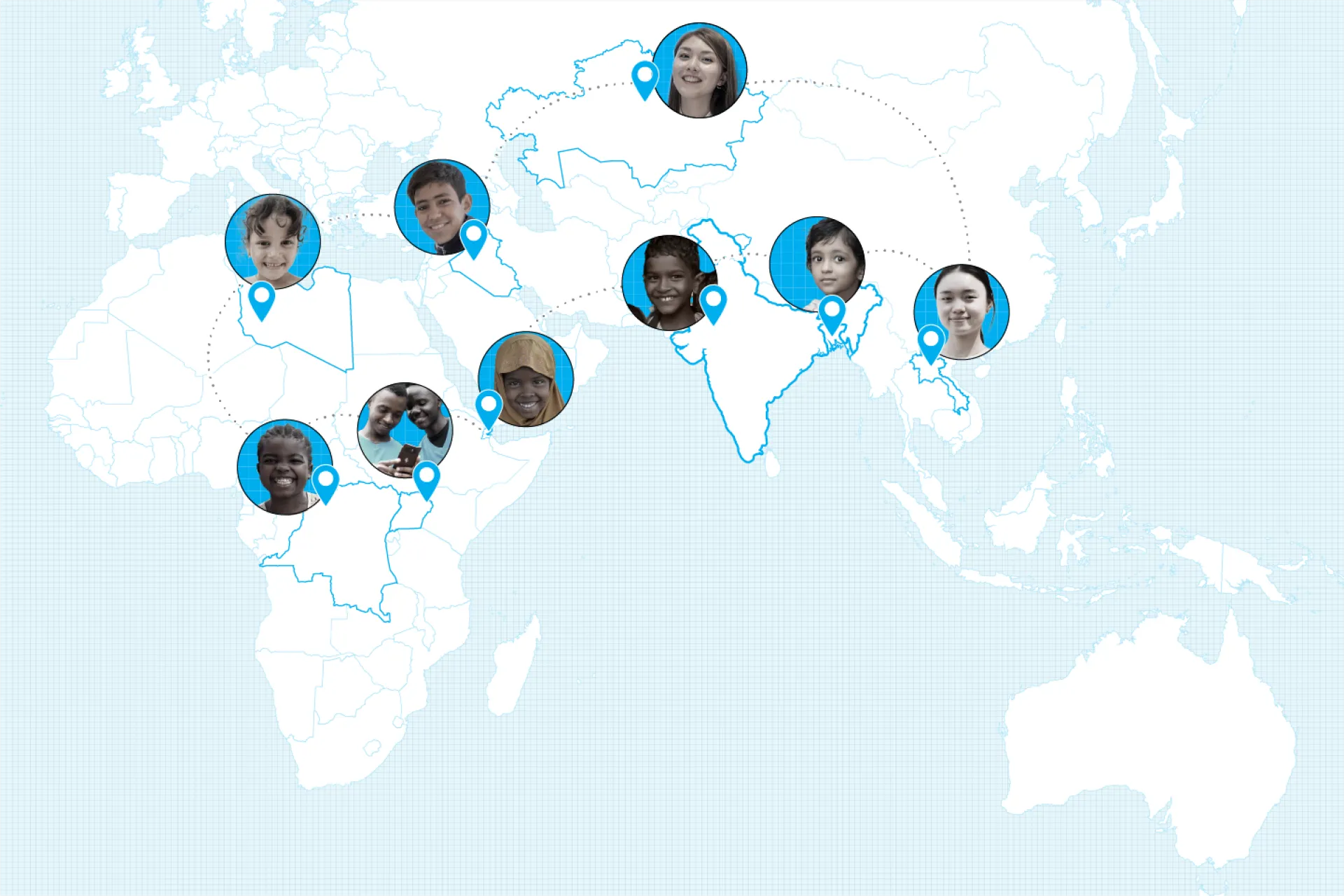
Across 190 countries and territories, UNICEF colleagues and partners are on the frontlines of the greatest challenges affecting the lives of children and young people. Innovation Across Borders highlights the experiences, successes and learnings of innovation champions, committed to making positive social impact.


What has been the impact of your innovation?
Vaccine Intelligence Network (VaxIN) is a blockchain-based tech solution that strengthens vaccine supply chains, improves data accuracy and provides transparency to enable real-time decision-making.
Using a platform created by StaTwig – a UNICEF Venture Fund-investee – the solution known as eVLMIS (Electronic Vaccine and Logistics Management Information System) in Bangladesh, has transformed how the country manages vaccines by forecasting needs, streamlining orders, monitoring stocks, tracking cold chain performance and ensuring timely distribution across the country.
The app provides real-time dashboards, predictive analytics and automated alerts to prevent stockouts and reduce wastage. And it integrates data from central warehouses to distribution points, allowing programme managers to respond quickly to any gaps in supply or logistics.
What challenges have you encountered?
Like any large-scale innovation, eVLMIS faced some hurdles, including the need to train more than 20,000 health workers! Close collaboration with government agencies and ministries was crucial in overcoming these challenges.
Together, we built a system that is fit for today and tomorrow, a system that is scalable and adaptable, that can handle not only vaccines and logistics but also other health and nutrition commodities.
We also ensured the mobile app is available in both online and offline versions, so it will work in hard-to-reach areas with low connectivity.
What have been the high points?
The real high point for me was seeing health workers in rural facilities confidently updating stock levels and requesting supplies in real time, as well as the successful integration with other existing national health information systems. During the national typhoid campaign, eVLMIS supported vaccine distribution for millions of children, proving its value as a reliable, game-changing tool.


What was your experience of collaborating with partners?
Success is down to strong partnerships. The Ministry of Health and Family Welfare provided leadership and ownership, the World Health Organization offered technical guidance and programmatic input, and technology partners delivered the support.
Our role at UNICEF Bangladesh was to bridge the gap between best global practices and local realities, ensuring that the solution was both technically sound and contextually relevant.
What have been your biggest lessons learned?
We learned that technology is only as effective as the people using it! Continuous capacity building and mentoring, responsive technical support including troubleshooting and clear communication channels are essential for adoption and sustainability.
We also realized the importance of designing systems with flexibility, so they can evolve alongside programme needs and technological advancements.
What are your hopes for the future of this innovation?
I envision eVLMIS becoming the fully integrated backbone of immunization supply chain management in Bangladesh. I also hope to see it replicated in other countries facing similar challenges, creating a global standard for vaccine and logistics management, as well as other supply chains.
What message around innovation do you have for colleagues around the world?
Innovation is not about technology alone; it’s about solving real problems for real people, especially those in hard-to-reach areas. When we listen to the needs of frontline workers, understand the local realities, and are determined to overcome the challenges, we can create solutions that truly make a difference.