In Bangladesh, Blockchain Boosts Vaccination Progress
The tech-enabled transparent, efficient and effective vaccine supply chain means up to half a million more children will be protected from preventable diseases

Efficient supply chains are key to ensuring that vaccines reach the children who need them and in Bangladesh, UNICEF, with its partners Gavi and the Government of Bangladesh, are implementing an innovative blockchain-based solution that tracks individual vials throughout the vaccine cold chain.
What is the Vaccine Intelligence Network?
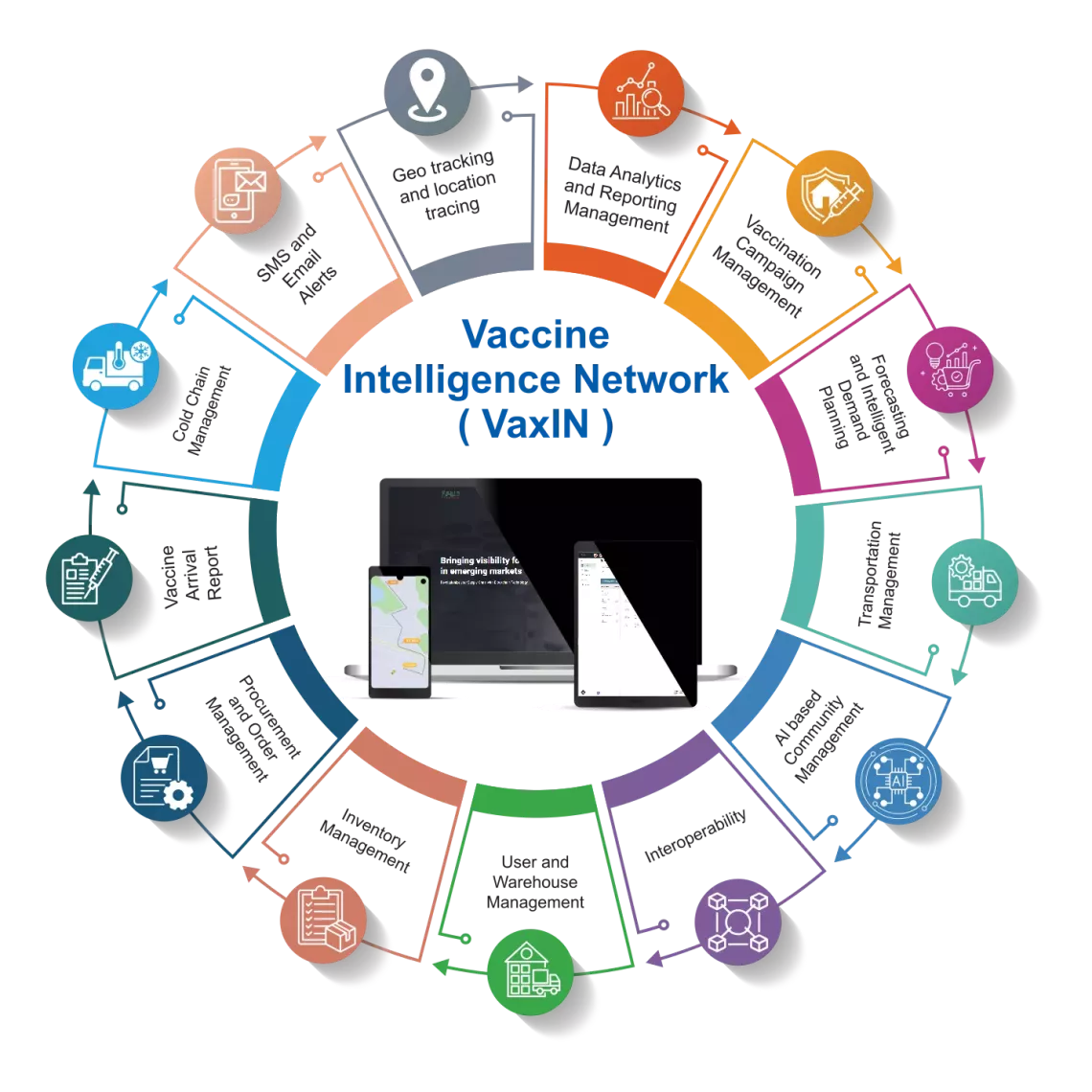
Vaccine Intelligence Network (VaxIN) is a simple tech solution built by UNICEF Bangladesh using a platform created by the UNICEF Venture Fund-backed company StaTwig. It improves efficiency, transparency and reliability in the vaccine supply chain by making each vial traceable – in real time – from shipping container to syringe.
The development of the system reflects UNICEF Bangladesh’s innovation, turning open-source blockchain-based technology into a practical solution for health supply chains everywhere.
In Bangladesh, where it is branded eVLMIS (Electronic Vaccine and Logistics Management Information System), the scale of need is immense: there are 58.5 million doses of vaccines required every year to serve 3.9 million children, as well as another 1 million doses for adolescent girls and 3.4 million doses for women of childbearing age.
What is the problem Vaccine Intelligence Network is designed to solve?
Vaccine Intelligence Network is solving a series of challenges in Bangladesh’s vaccine supply chain by:
- providing traceability of vaccines and real-time stock tracking
- reducing wastage through damage or loss of vaccines in transit
- enabling efficient temperature monitoring of the cold chain
- ensuring timely resupply of health clinics
- increasing vaccine coverage
- reducing time spent on paperwork and data inputting
The initiative will help Bangladesh achieve its ambition of full vaccine coverage through the government’s Expanded Programme on Immunization (EPI). Already, 82 per cent of children receive vaccines, but that leaves almost half a million children who are either under-immunized or receive no vaccines at all.
Reliable and transparent management of the vaccine supply chain will also reduce wastage. Bangladesh spent $160 million on vaccines in 2024, and it is estimated that up to 20 per cent of some vaccines are wasted, either through damage and improper handling or storage, or because unused doses must be discarded.
What is the role of blockchain?
UNICEF Office of Innovation (OOI) is exploring multiple uses and applications of blockchain technology in humanitarian and development contexts, including in vaccine supply chains.
Blockchain works by creating a digital token representing a real-world item, in this case a vaccine. Once entered on the blockchain, each vial, box and batch is traced in real-time as it moves from national depots to district storage facilities and local health facilities.
The technology enables the collection of different information from diverse sources – including, for example, by temperature sensors in the cold chain – with all the data stored on a single shared ledger which improves accountability, increases efficiency and reduces wastage.
Using blockchain means automation, end-to-end transparency, individual traceability, real time monitoring and a lower reporting burden for health workers who spend less time manually inputting data.
What is the current status of the initiative?
The programme aims to train community health workers, key connectors to hard-to-reach communities.
Launched as a pilot programme operating in eight districts and three cities across Bangladesh, plans are underway for a national roll out.