Innovation Across Borders: Pakistan
Yasir Arafat, UNICEF Pakistan, shares his experience of bringing solar power to schools around the country
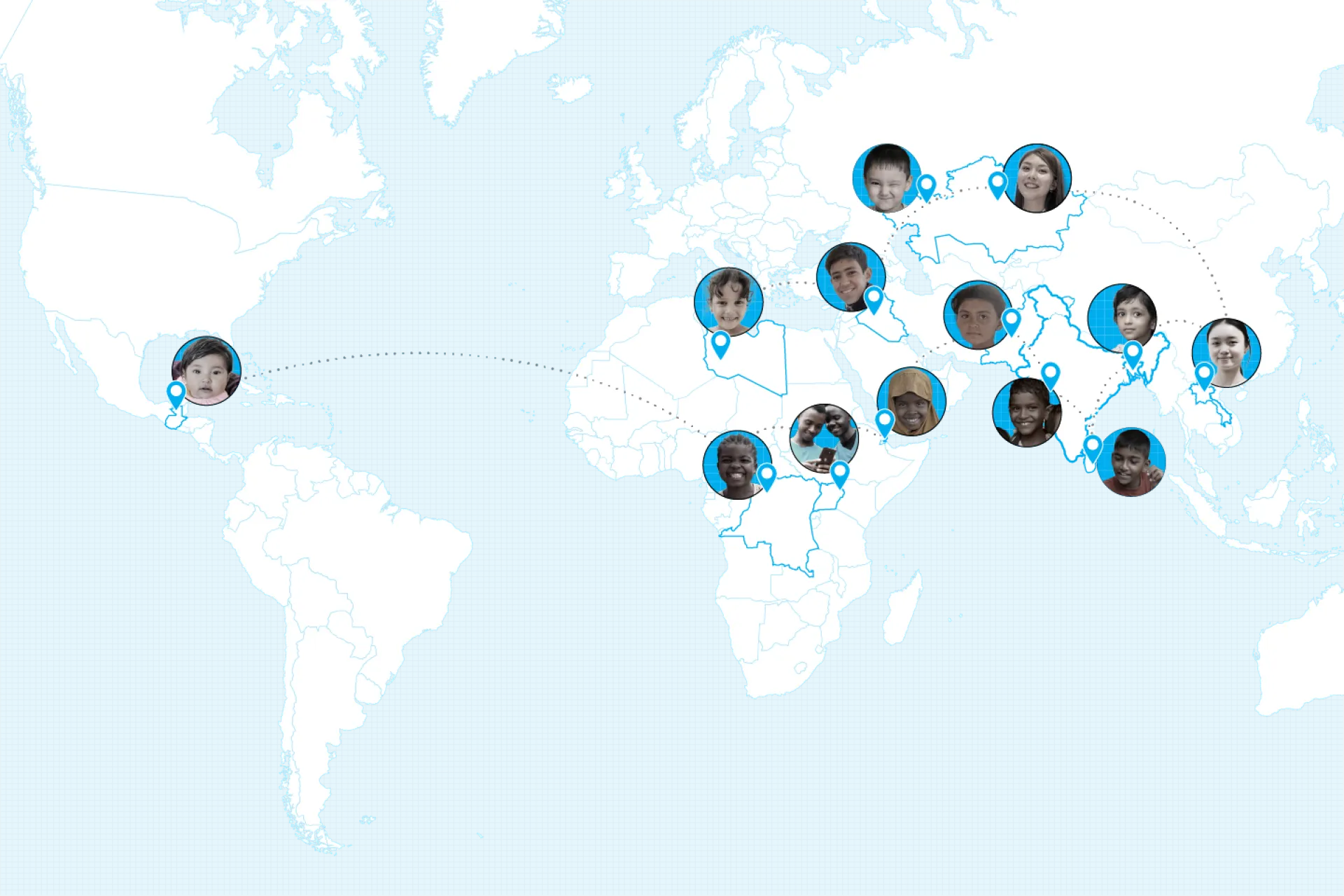
Across 190 countries and territories, UNICEF colleagues and partners are on the frontlines of the greatest challenges affecting the lives of children and young people. Innovation Across Borders highlights the experiences, successes and learnings of innovation champions, committed to making positive social impact.

What is the problem you set out to solve?
Over 25 million children in Pakistan are out-of-school, that’s the second-highest number in the world. For those who overcome the access barriers and make it, there are still other challenges including power outages.
This may sound like a minor operational issue, but unreliable electricity is a barrier to attendance, retention and learning outcomes. The solution was clear: to solarize schools for clean, reliable energy, and to ensure the availability of training and financing necessary for the grids to last.
What has been the impact of your innovation?
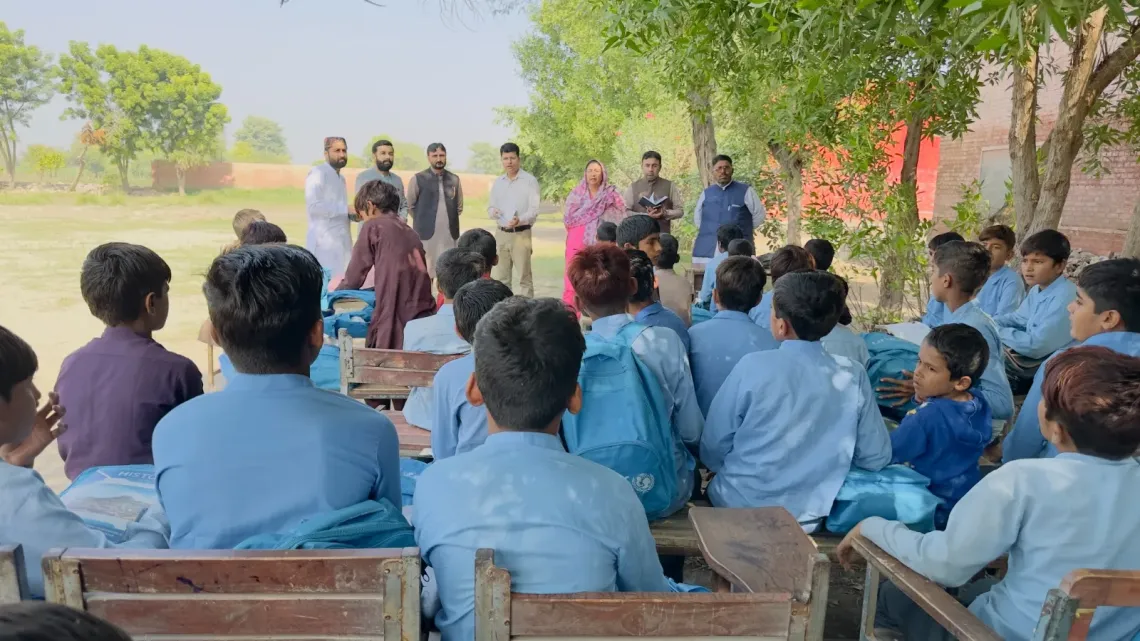
Our Solar Schools Project, which is aligned with Project Alpha, has installed solar panels in around 11,000 schools, that’s almost 172,500 students, and is exploring innovative financing to support long-term maintenance sustainability and scalability, including through Peace Renewable Energy Credits (PRECs). We don’t just put up solar panels and leave: we train communities and young people to maintain the panels, enabling a sense of ownership and ensuring the ongoing safety and security of the assets.
This ambition will directly improve children’s learning by ensuring schools remain open and functional throughout the day, even in areas affected by energy disruptions. Reliable electricity will restore computer and IT labs, enabling students to develop digital skills and access modern learning resources.
Reduced electricity costs will allow school administrators to redirect savings toward teaching and learning needs. At the same time, students and young people will gain practical skills and hands-on experience in solar maintenance, strengthening pathways to green jobs. As communities become more invested in their schools, children benefit from safer, better-supported learning environments and a stronger sense of shared responsibility for their education and future.

What challenges have you encountered?
Coordination is complex work. Aligning education departments with energy solutions requires continuous dialogue, sustained engagement and ongoing advocacy across multiple levels. Progress depends on installing systems and ensuring they are owned, understood and supported by the government and communities equally.
Maintenance is a critical piece of the puzzle. Without proper training and clear responsibility, solar systems can and do break down. At times, enthusiasm also runs ahead of reality – there is strong demand to scale up solarization quickly, often faster than existing implementation capacity, supply chains and budgets can realistically support.
These challenges sit within even larger systemic constraints: limited public financing, weak institutional ownership, and the real risk of placing additional burdens on overstretched teachers. Addressing these issues means thinking beyond hardware and timelines, and focusing instead on sustainability, capacity and systems that can hold over time.
What have been the high points?
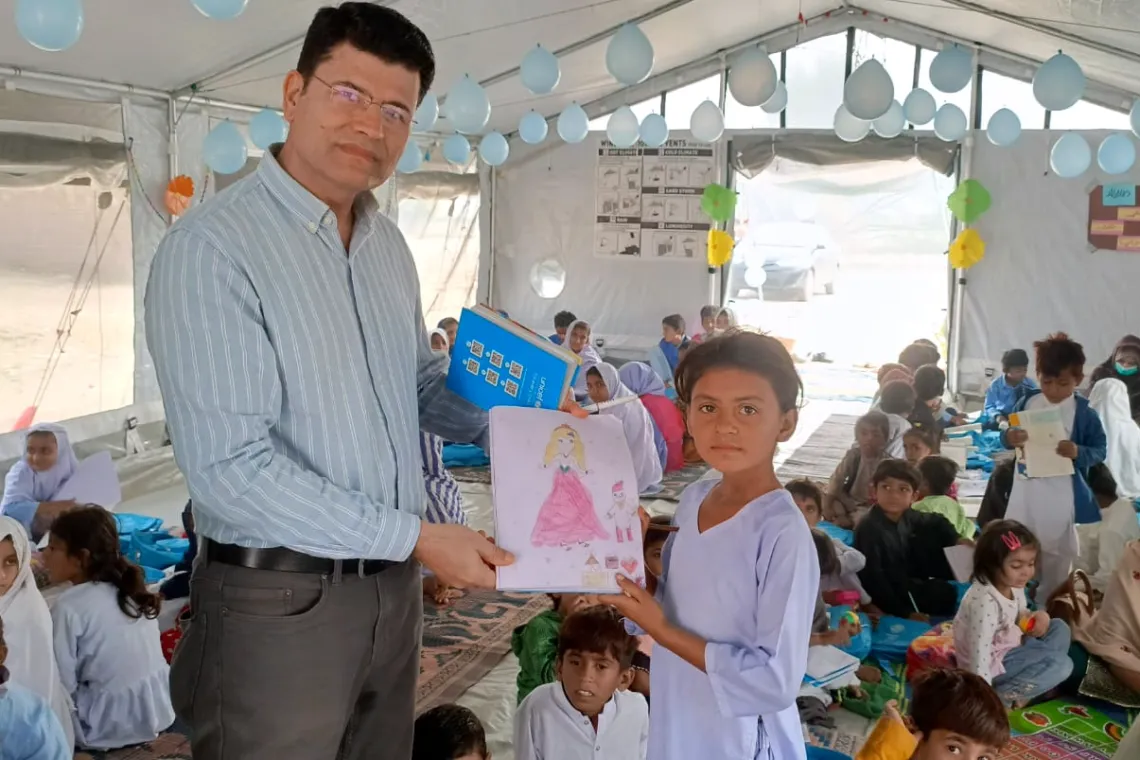
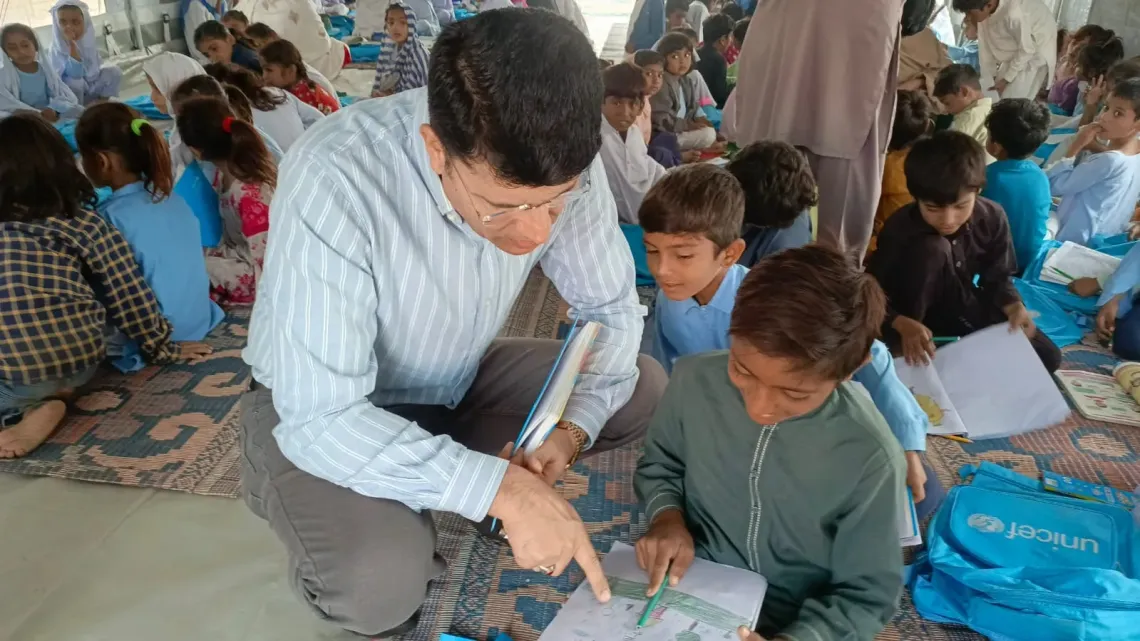
A few memories stand out. I remember watching rural kids using computers for the first time, sitting under fans during a hot summer, powered entirely by solar. I remember when some young people we trained diagnosed and repaired a solar issue without us. And I remember when provincial authorities began treating solarization as a policy, rather than a pilot. Knowing that hundreds of thousands of children across Pakistan can now study in a well-lit, cool classroom with access to a world of learning is a feeling that is hard to describe. The only thing that can surpass this feeling is that millions more have the potential to benefit.




What have been the biggest lessons learned?
Some lessons from this project have reshaped how I think about innovation:
- Start with the problem, not the tech: solar panels are a means, not an end.
- Don’t burden teachers: if it makes their jobs harder, it’ll fail.
- Community ownership isn’t optional, it’s essential: engage people before the first panel arrives.
- Align with existing systems: beautiful pilots that don’t fit won’t scale.
- Talk about failures openly: that’s how we learn faster.
Work across sectors: our education-health collaboration multiplied our impact.
What’s next for this innovation?
In the next 12-18 months, I’m hoping to achieve reliable power across every solarized school, gather stronger evidence linking energy to learning outcomes, and help youth engagement models spread to more districts. Our aim is to mobilize innovative financing for further scale-up and will also contribute to sustainability of the initiative.
Beyond Pakistan? I believe this approach could work anywhere facing education emergencies combined with infrastructure gaps. The core principles are universal: link energy to learning, engage communities as owners and build local capacity.
What message do you have for colleagues and partners?
Innovation is not about technology alone. It’s about teamwork, coordination and solving real problems with children at the center of every decision.
Spark funding and mentorship pushed us to experiment, learn from setbacks and work in close partnership with local partners. Just as importantly, they have helped foster a culture shift – one that values curiosity, adaptation and collaboration – and that matters more than any single tool, technology or intervention. Innovation can power genuine change for children who most need hope for a brighter future- we can and must be that hope.