Page
AI for education and accessibility
AI can benefit students, teachers and education systems, making learning more accessible and personalized for students, while supporting teachers with automation and data.
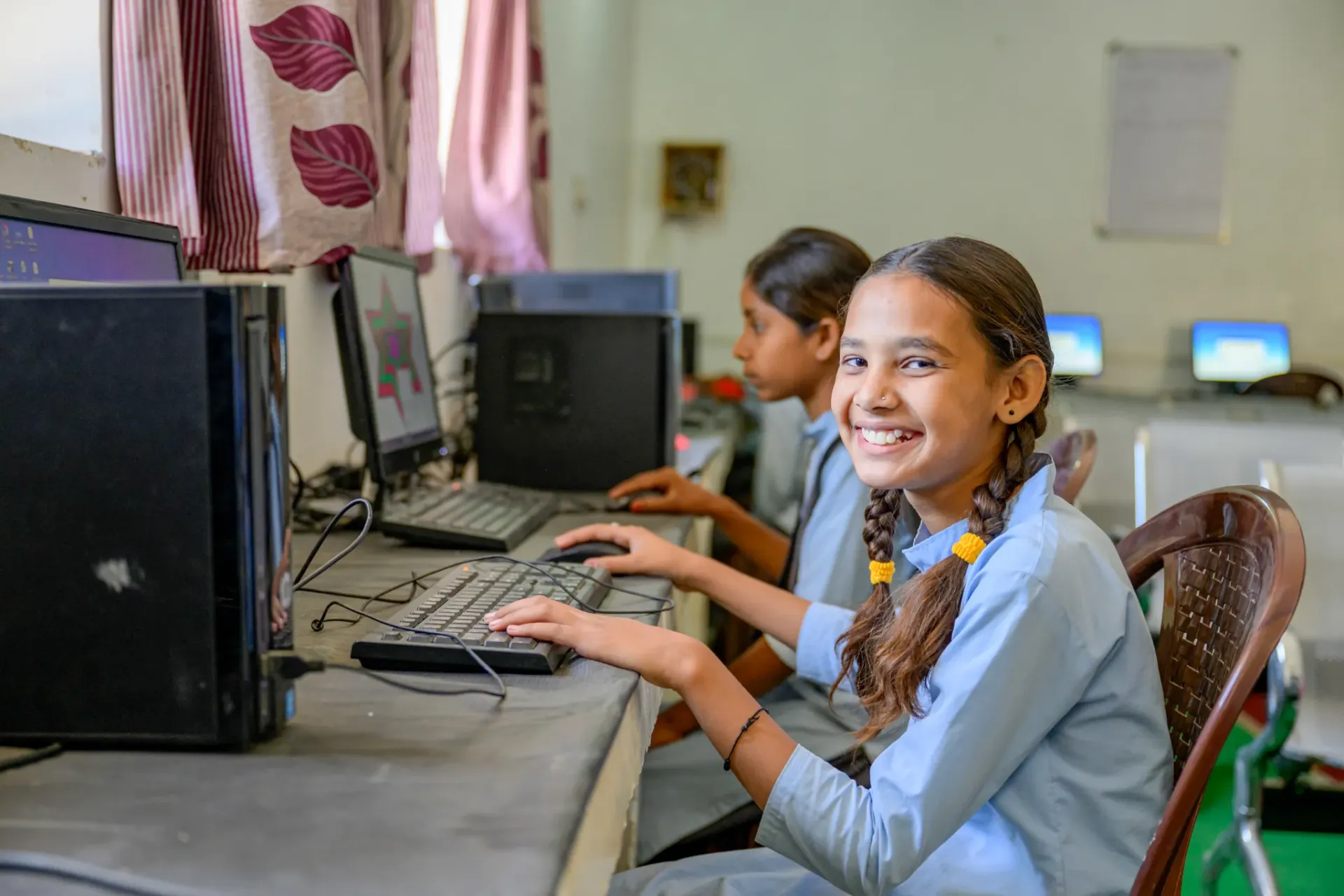
AI can benefit students, teachers and education systems, making learning more accessible and personalized for students, while supporting teachers with automation and data. It can also help make information more accessible to populations with diverse languages, literacy levels and learning styles.
- Accessibility: AI-generated inclusive learning materials through Accessible Digital Textbooks are making education accessible to people living with disabilities and students with diverse learning styles. I-STEM (India) uses AI to convert inaccessible content into accessible and usable formats for people with disabilities.
- Interactive reading feedback: Bookbot has developed an app that leverages on-device speech recognition technology to provide interactive reading feedback in English, Bahasa Indonesia and Swahili, and is now collaborating with the Colombia country office to expand the platform into Spanish.
- Machine translation: after a pilot with the translation of humanitarian training materials in the Democratic Republic of the Congo, we are now building capacity to use AI-powered speech and language technologies for low-resource languages in West Africa.
- Personalized learning: Afinidata (Guatemala) supports parents with bespoke advice on activities and behaviour milestones tailored to their children
- Teacher support: Tilli (Sri Lanka) uses AI for teacher assistance in social emotional learning.