Everything you need to know to wash your hands
Washing your hands properly can protect you and your loved ones
1. How do I wash my hands properly?
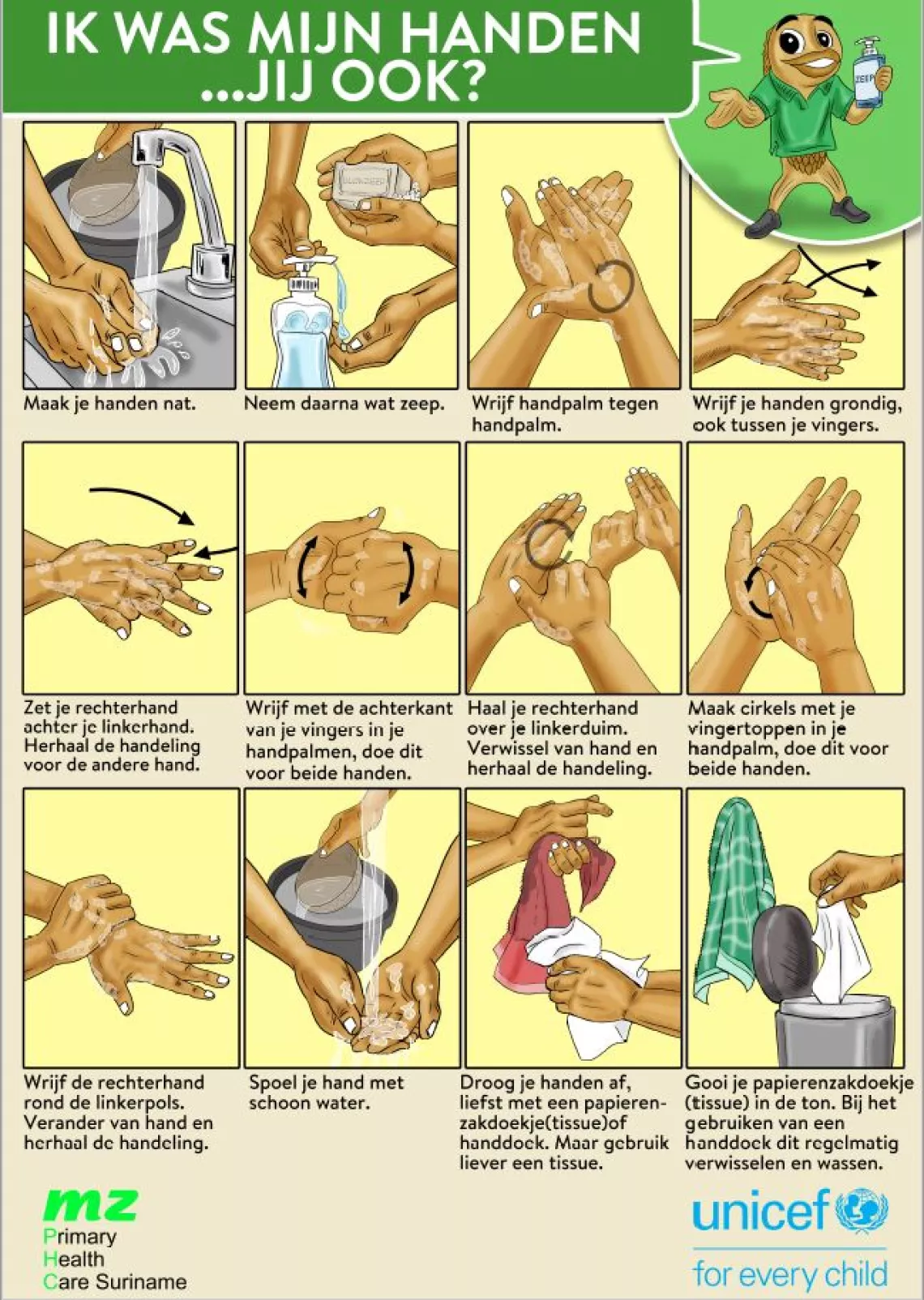
To eliminate all traces of the virus on your hands, a quick scrub and a rinse won’t cut it. Below is a step-by-step process for effective handwashing.
Step 1: Wet hands with running water
Step 2: Apply enough soap to cover wet hands
Step 3: Scrub all surfaces of the hands – including back of hands, between fingers and under nails for at least 20 seconds.
Step 4: Rinse thoroughly with running water
Step 5: Dry hands with a clean cloth or single-use towel
2. How long should I wash my hands for?
You should wash your hands for at least 20-30 seconds. An easy way to time it is by singing the full happy birthday song, twice.
The same goes for hand sanitizer: use a sanitizer that contains at least 60% alcohol and rub it into your hands for at least 20 seconds to ensure full coverage.
3. When should I wash my hands?
In the context of COVID-19 prevention, you should make sure to wash your hands at the following times:
After blowing your nose, coughing or sneezing
After visiting a public space, including public transportation, markets and places of worship
After touching surfaces outside of the home, including money
Before, during and after caring for a sick person
Before and after eating
In general, you should always wash your hands at the following times:
After using the toilet
Before and after eating
After handling garbage
After touching animals and pets
After changing babies’ diapers or helping children use the toilet
When your hands are visibly dirty
For more information on proper handwashing techniques and other ways to stay safe please click here.
For more information on UNICEF COVID-19 response click here and for the latest news, updates and stories from Guyana and Suriname follow www.unicef.org/guyanasuriname