

AI for Child Well-being
Advancing Safe and Inclusive Futures for Children in the UAE and Beyond
- English
- العربية
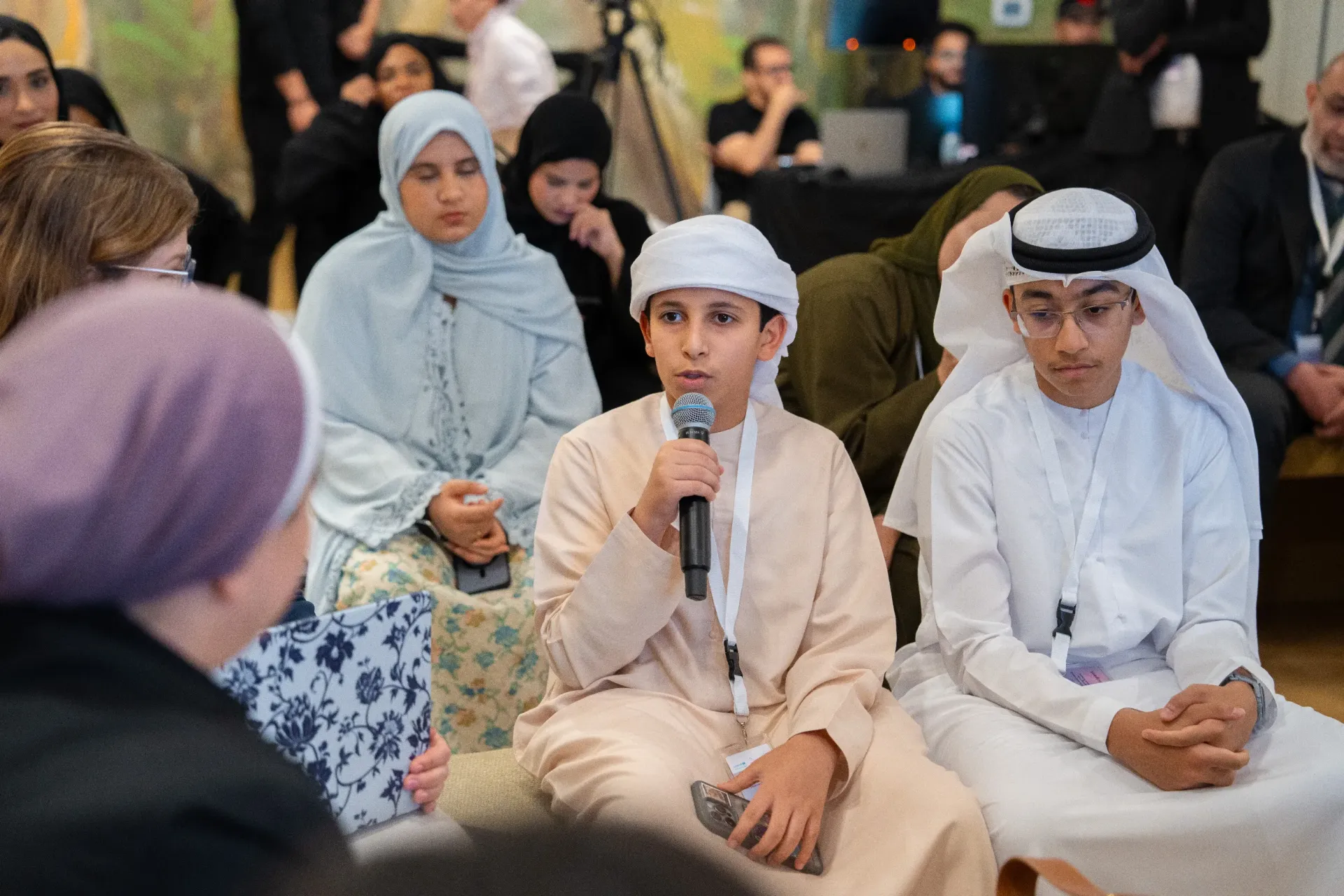
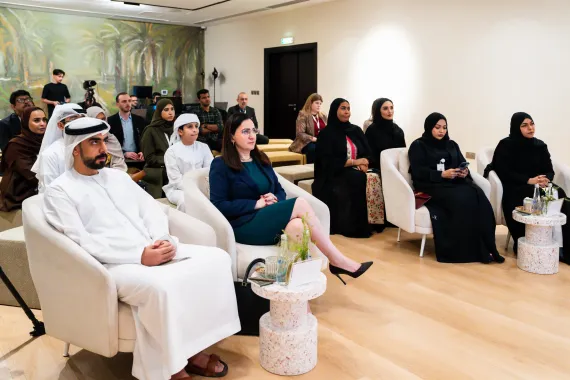
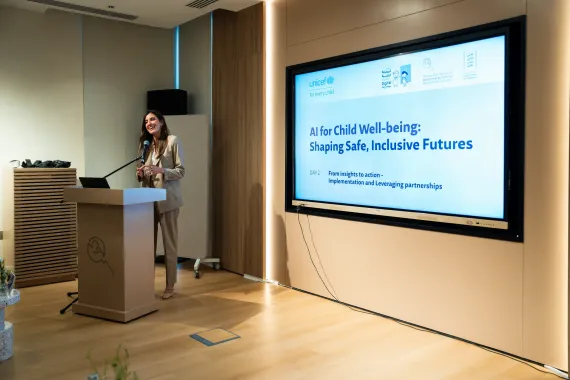
A high-level AI Retreat on child well-being, convened 28-29 April in the United Arab Emirates, brought together global and national leaders to examine how artificial intelligence can better uphold and advance children’s rights. Co-hosted by the Supreme Council for Motherhood and Childhood (SCMC) and UNICEF, the two-day event—held at the Fatima bint Mubarak Motherhood and Childhood Research Center at the United Arab Emirates University in Al Ain—marked an important step in translating global principles on AI into practical, child-centered action.
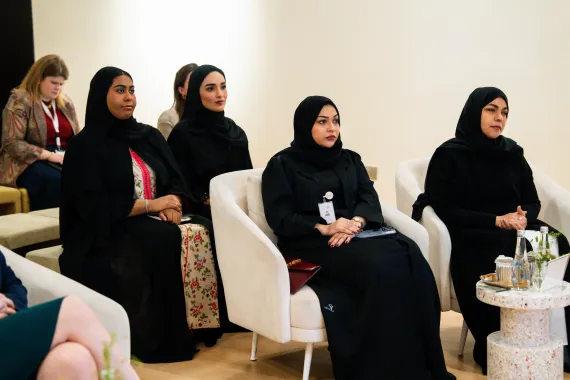
The retreat gathered approximately 60representatives from government, academia, international organizations, and the private sector, reflecting the multidisciplinary nature of the issue. Participants engaged in open and forward-looking discussions under Chatham House Rule, enabling a constructive exchange of perspectives on both the opportunities and risks that AI presents for children.
As AI continues to shape the environments in which children learn, interact, and grow, the retreat underscored the dual reality of this rapidly evolving technology. While AI holds significant potential to improve access to education, strengthen mental health support, and enhance child protection systems, it also raises critical concerns—including algorithmic bias, threats to privacy, exposure to harmful content, and the widening digital divide. Addressing these challenges requires deliberate, coordinated action to ensure that children’s rights and best interests are embedded in AI systems, policies, and governance frameworks.
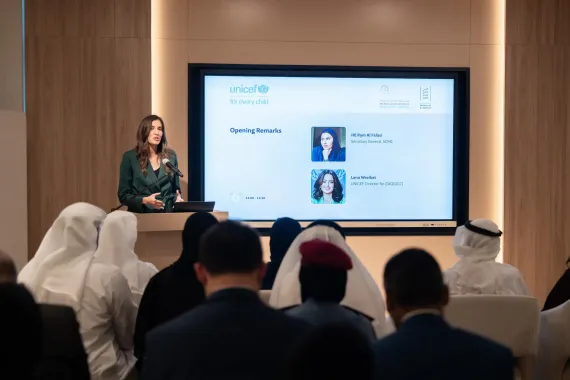
In her opening remarks, H.E. Rym bint Abdullah Al Falasi, Secretary General of SCMC, highlighted the UAE’s leadership in advancing responsible AI, noting key national initiatives such as the National Strategy for Artificial Intelligence 2031, the Child Digital Safety Law, and the Children’s Digital Well-being Pact. She emphasized that AI is already deeply integrated into children’s daily lives, shaping how they access knowledge and engage with the world, and called for stronger tools and frameworks to guide its responsible use.
Following her remarks, Lana Wreikat, UNICEF Director for the Gulf Area Office, reinforced the importance of placing children at the center of AI development. She noted that while AI offers transformative opportunities to advance children’s rights and well-being, children remain underrepresented in data, policy, and system design. She emphasized the need to move from conceptual discussions to practical implementation, ensuring that AI systems are developed and deployed in ways that are safe, inclusive, and aligned with international child rights frameworks.
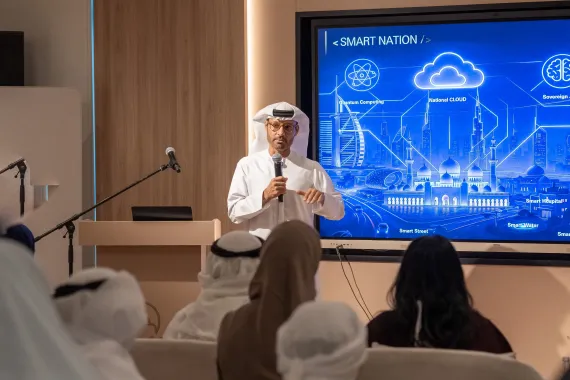
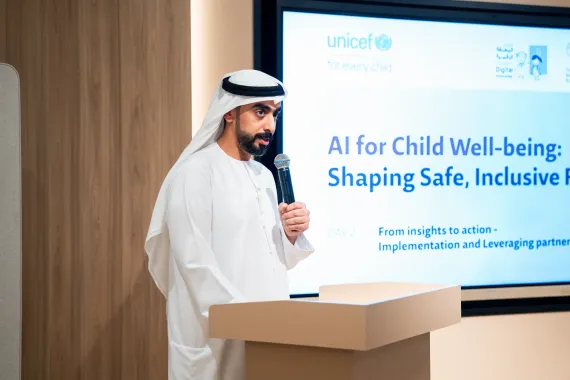
Speaking at the opening of Day Two, H.E. Omar Sultan Al Olama, UAE Minister of State for Artificial Intelligence, acknowledged both the promise and the risks AI poses for children, noting that the same technology driving innovation is also fueling addiction, mental health challenges, and harmful content exposure. He called for proactive regulation alongside sustained AI literacy efforts, and emphasized that for the first time in history humanity is augmenting mental rather than physical capacity, placing a profound responsibility on governments and institutions to ensure this transformation serves children well.
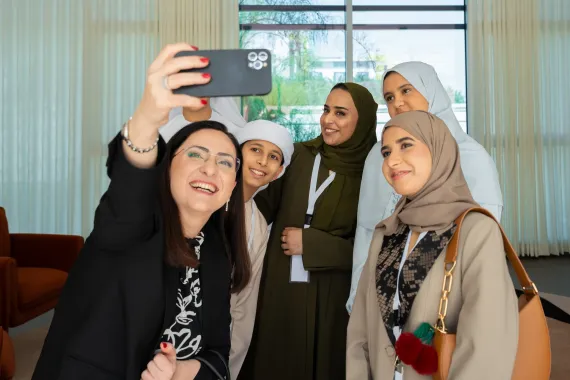

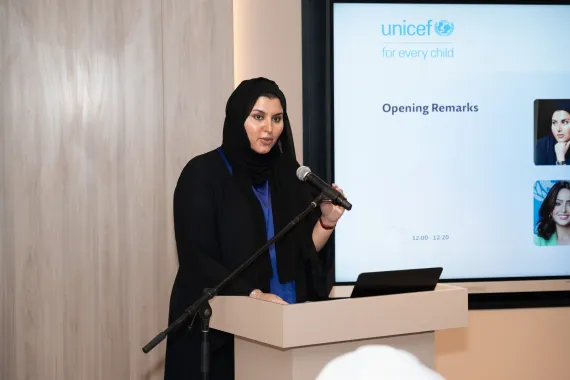
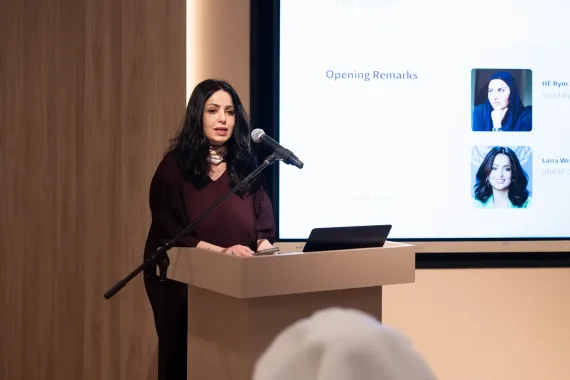

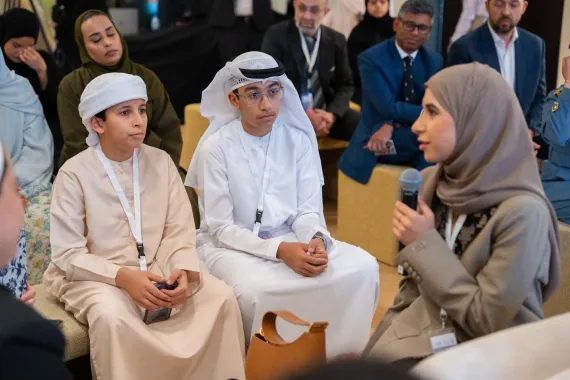
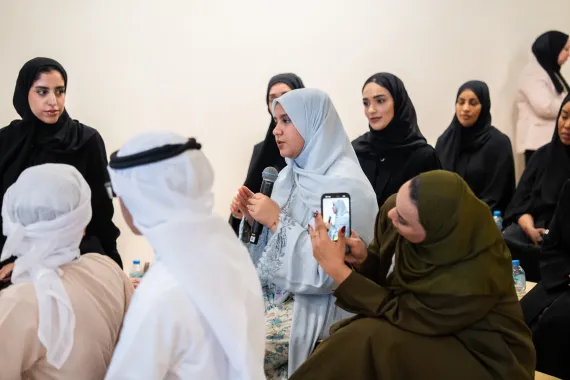
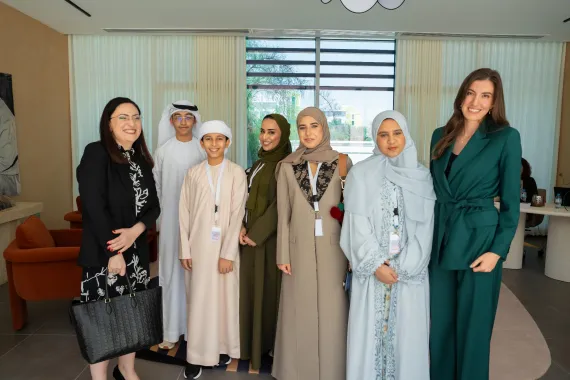

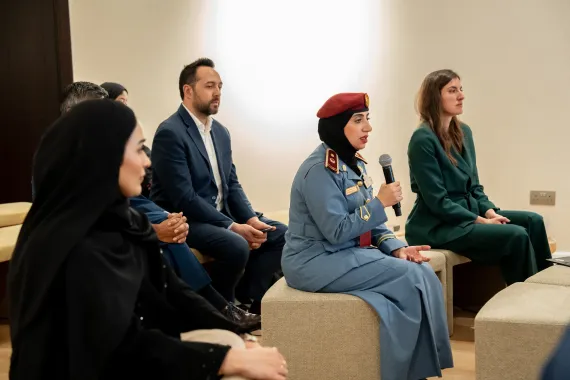


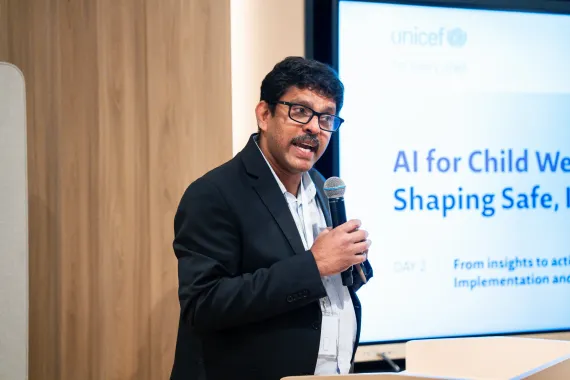
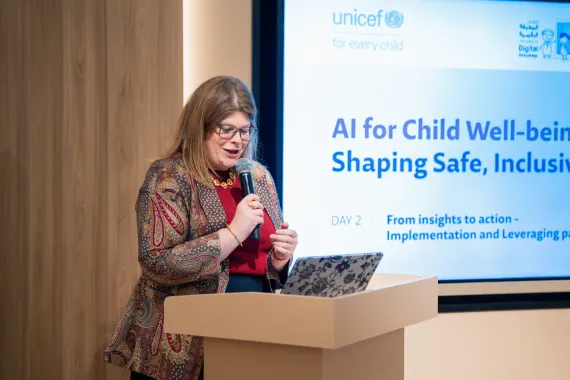


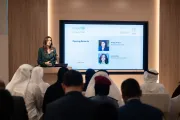


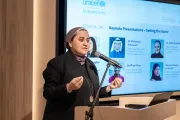











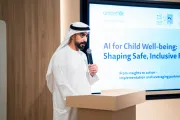
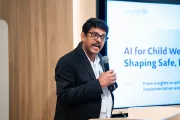
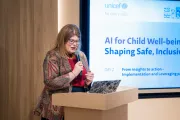
Over the course of the retreat, discussions progressed from building a shared understanding of AI’s impact on children to identifying concrete actions and partnership models.
The first day focused on the research landscape, highlighting the need to close critical evidence gaps related to how children engage with emerging AI technologies and how these interactions affect their development, learning, and well-being. Participants emphasized the importance of strengthening data systems, developing child-centered benchmarks, and investing in interdisciplinary research.
The second day shifted toward solutions and implementation. Participants explored how AI tools can be responsibly applied across sectors, particularly in education and mental health, and emphasized the importance of designing systems specifically for children rather than adapting general-purpose technologies. Discussions also highlighted the role of localized AI solutions, especially for low-resource languages and diverse cultural contexts, as well as the need for robust evaluation and accountability mechanisms.
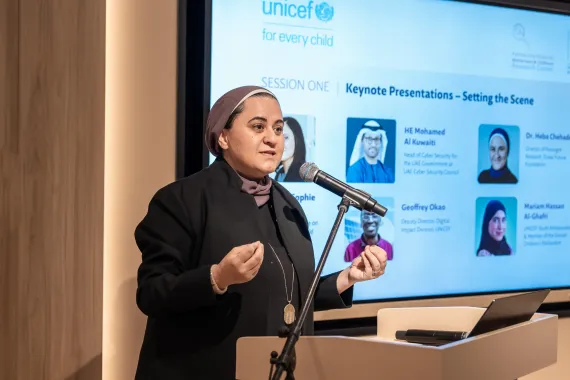
The retreat also featured keynote contributions from leading voices across child rights, digital innovation, and youth engagement, including Prof. Dr. Sophie Kiladze, Chair of the UN Committee on the Rights of the Child; H.E Mohamed Al Kuwaiti, Head of Cyber
Security for the UAE Government; Geoffrey Okao, Deputy Director of the Digital Impact Division at UNICEF; Dr. Heba Chehade, Director of Foresight Research at Dubai Future Foundation; Mariam Hassan Al-Ghafri, UNICEF Youth Ambassador and member of the Emirati Children’s Parliament and H.E Omar Sultan AlOlama, Minister of State for Artificial Intelligence, Digital Economy and Remote Work Applications.
A central outcome of the retreat was the recognition that advancing child-centered AI requires strong and sustained partnerships. Participants underscored the importance of collaboration across governments, international organizations, academia, and industry to build ecosystems that prioritize children’s safety and well-being while enabling innovation. The UAE’s leadership and digital infrastructure were highlighted as key enablers for piloting and scaling such collaborative approaches.
Click to view more from UNICEF Gulf social media coverage
Key Recommendations and Next Steps
The retreat concluded with a set of priority actions to guide future efforts. These include launching multi-country research to address evidence gaps on AI’s impact on children, creating platforms for meaningful child participation in AI design and governance, and developing practical AI literacy tools for families. Participants also emphasized the importance of piloting AI solutions with children before scaling, strengthening safety and accountability standards, prioritizing child-specific AI systems, and advancing coordinated frameworks for monitoring AI’s impact. Strengthened partnerships and shared accountability mechanisms were identified as essential to ensure sustainable progress.